Rohin Malhotra
You open the fridge on a Tuesday night and do the familiar scan for something that can pass as dinner. There's the chicken breast you bought last week, again some greens that are past their prime, and that nagging feeling that you should be eating more protein. Sound familiar? You're in good company.
The International Food Information Council's 2025 Protein Perceptions survey reports that 70% of Americans are trying to consume more protein, up from 67% in 2023. The appetite is there; the options, for most of us, get repetitive fast.
Protein foods aren't just for gym goals. They help regulate appetite, support immune function, and contribute to muscle maintenance as we age. The National Institute on Aging explains that age-related loss of muscle mass and strength can affect mobility and independence over time. If your household is juggling work, workouts, and the daily question of "what's for dinner?", a dependable rotation of protein-rich staples can help keep you cooking instead of ordering. Below are eight foods high in protein that deserve a regular spot in your kitchen, chosen for their nutritional value and their ability to turn into practical, satisfying meals.
The eight protein foods in this guide:
Eggs
Greek Yogurt
Lentils
Salmon
Tofu
Shrimp
Quinoa
Chicken Thighs
Your High-Protein Foods List: At a Glance
If you just want the short list and the "what do I do with it?" part, start here. Save it, screenshot it, stick it on the fridge - whatever keeps dinner decisions from turning into a debate at 6:30.
Food Item | Protein per Serving | Primary Benefit | Best For |
|---|---|---|---|
Eggs | 6g per large egg | Complete amino acids, choline | Fast breakfasts, ramen bowls |
Greek Yogurt | ~20g per cup (plain, non-fat) | Probiotics, calcium | Snacks, marinades, sauces |
Lentils | ~18g per cooked cup | High fiber, iron | Soups, dals, grain bowls |
Salmon | ~34g per 6 oz fillet | Omega-3 fatty acids | Weeknight pan-sears, baking |
Tofu | Varies by brand and serving size | Plant-based complete protein | Stir-fries, scrambles |
Shrimp | ~20g per 3 oz serving | Very low fat, selenium | Fast dinners, pastas |
Quinoa | ~8g per cooked cup | Complete plant protein, magnesium | Meal prep, salads, sides |
Chicken Thighs | ~22g per 100g (boneless, skinless) | Iron, B vitamins, rich flavor | Curries, braises, sheet pans |
1. Eggs: The Original Protein Powerhouse

A large egg provides about 6 grams of protein, but that is only the headline. The yolk contains choline, a nutrient involved in brain, nervous-system, and cell-membrane function, along with vitamin D and vitamin B12. Eggs are also considered a complete protein because they contain all nine essential amino acids. They are versatile, widely available, and often one of the more economical animal-protein options to keep on hand.
Eggs pull their weight well beyond breakfast. Turn leftover roasted vegetables into a frittata, and you have dinner in about 20 minutes, or add a jammy egg to ramen to make broth and noodles feel more complete. For supported egg-based recipes, Posha can manage heat and timing, helping reduce active monitoring while you prepare the rest of the meal. That means less hovering over the stove and more consistency during busy mornings or weeknight dinners.
2. Greek Yogurt: More Than a Morning Staple
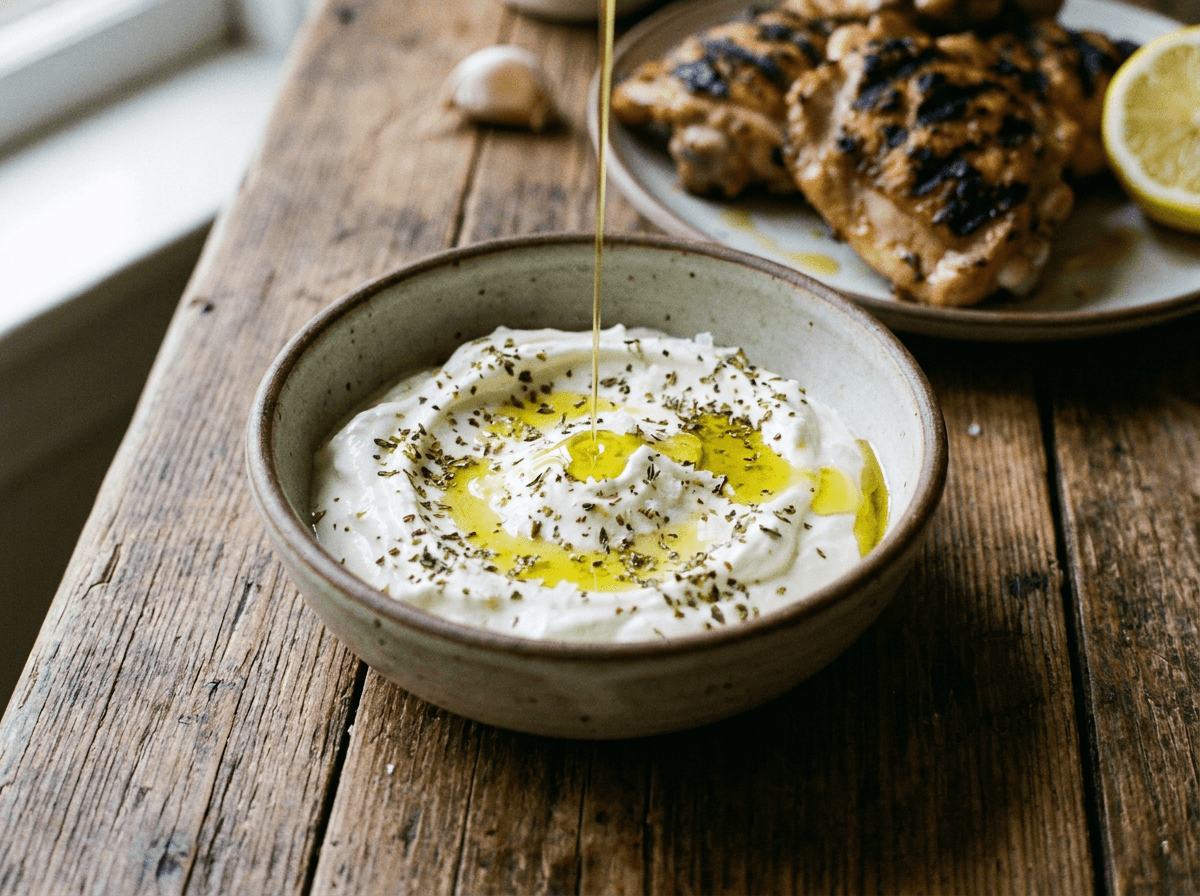
Plain, non-fat Greek yogurt can land around 20g of protein per cup - close to double what you get from regular yogurt. That jump comes from straining, which removes whey and concentrates what's left. You also get probiotics and calcium, which is why it earns space in the fridge even if you don't do "yogurt bowls."
Greek yogurt is most useful once you stop treating it like breakfast-only food. Stir it into a pan sauce for roasted chicken instead of reaching for heavy cream. Use it anywhere you'd use sour cream: tacos, baked potatoes, chili. Whisk it with garlic and lemon for a marinade that adds tang and helps tenderize. When you're buying it, check the label: minimal added sugar and live active cultures are the tells. If the sugar number looks like dessert, put it back.
3. Lentils: The Humble Plant-Based Hero
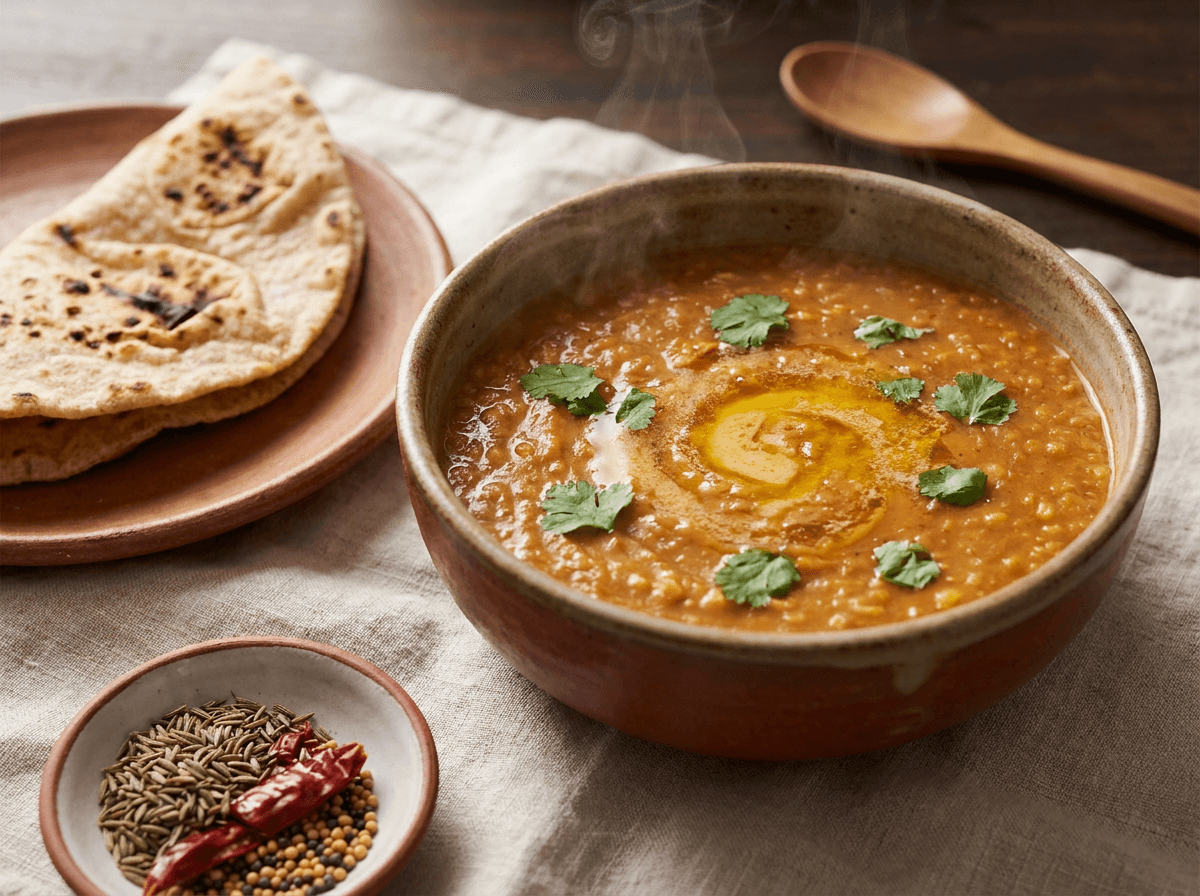
If you are building a plant-forward pantry, lentils are non-negotiable, and they appear for good reason on lists of the best plant-based protein sources. One cooked cup provides approximately 18 grams of protein and 16 grams of fiber. That combination can help meals feel satisfying for longer. Lentils also provide iron and folate, two nutrients that people following plant-forward diets may pay particular attention to.
Cooking lentils becomes easier once you understand how to cook different types of lentils. Red lentils break down into a creamy base, making them ideal for soups and dals, while green and brown lentils hold their shape and work well in salads and hearty sides. A simple dal can start with onion, garlic, ginger, spices, lentils, and water.
4. Salmon: For Brain and Body
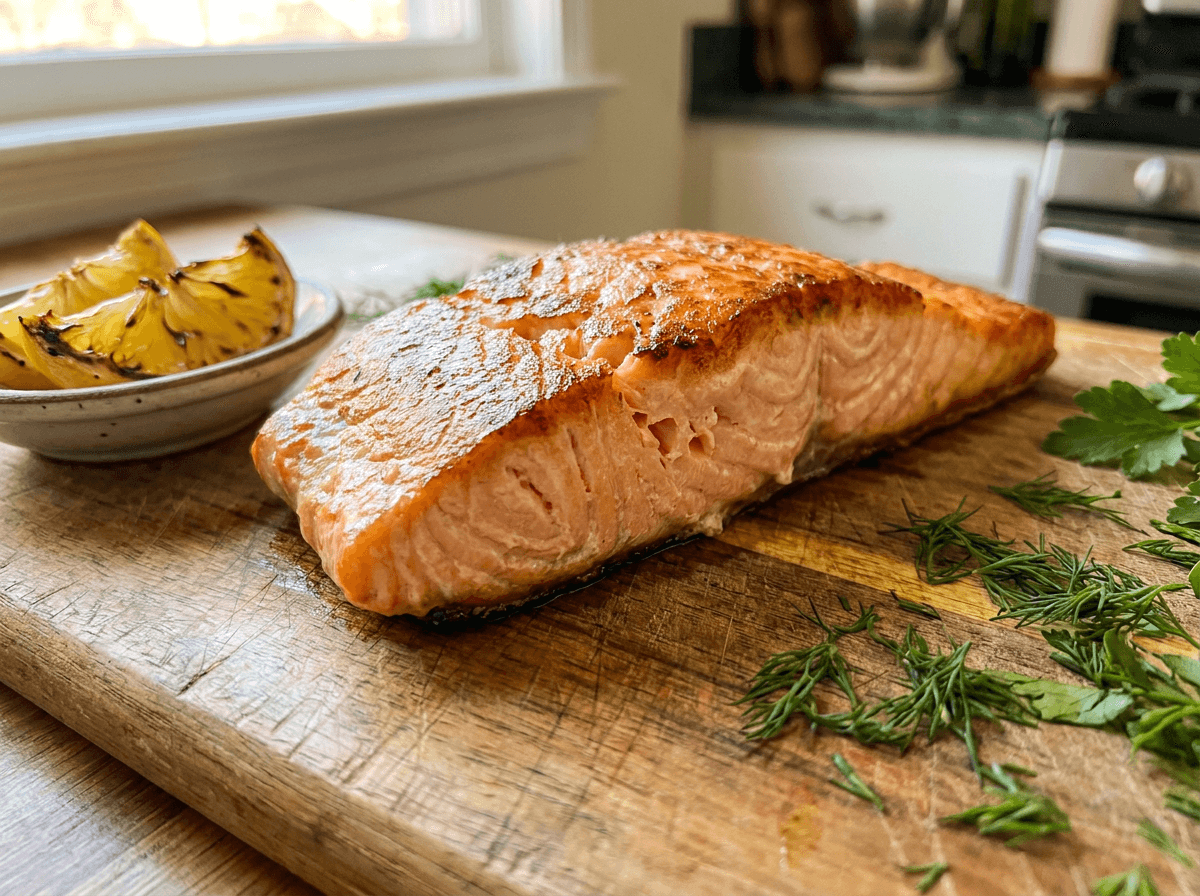
A 6-ounce cooked salmon fillet provides roughly 34 grams of high-quality protein, along with omega-3 fatty acids such as EPA and DHA. These fats are associated with cardiovascular and neurological health. Harvard's Nutrition Source highlights the importance of considering the entire protein package, including the fats, carbohydrates, vitamins, minerals, and other nutrients that accompany a protein source. With salmon, that package includes beneficial unsaturated fats in addition to protein.
Salmon works well for simple weeknight meals because it pairs easily with vegetables, grains, and flavorful sauces. Depending on the recipe, it can be baked, pan-seared, or incorporated into a complete meal with minimal preparation.
5. Tofu: The Versatile Plant Protein
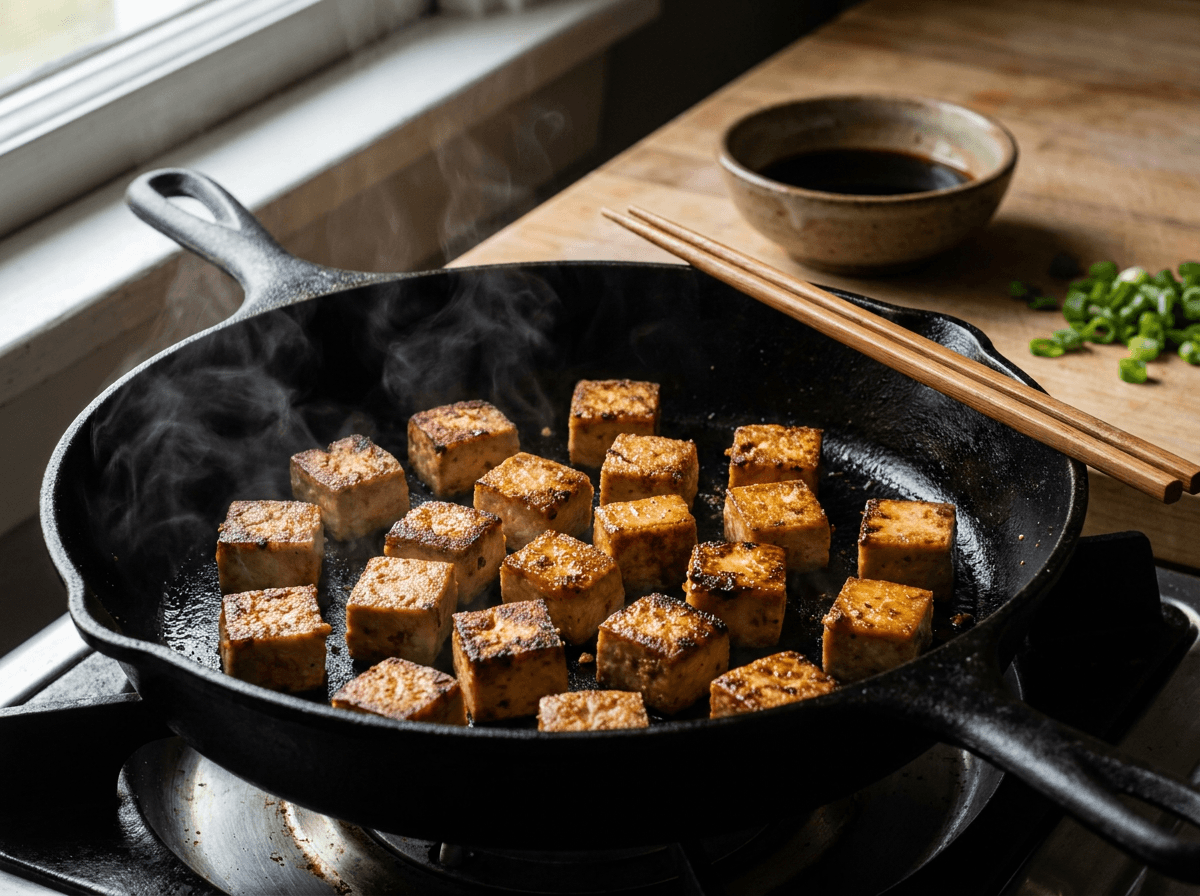
Tofu doesn't need a rebrand; it needs better texture. Start with the right style: silken tofu is made for blending into smoothies and creamy sauces, while firm and extra-firm are what you want for stir-fries, baking, and grilling. Firm tofu provides a substantial amount of plant protein, although the exact amount varies by brand, firmness, and serving size. It also contains all nine essential amino acids, making it a complete plant protein.
Pressing is the move that changes everything. Wrap extra-firm tofu in a clean towel, set a heavy pan on top, and give it 20 to 30 minutes. Less water means it soaks up marinades and actually crisps in a hot pan instead of steaming. On a tight weeknight, crumble extra-firm tofu into a skillet with turmeric, black salt (kala namak), and a pinch of cumin. The black salt brings a sulfur note that reads eggy, and the whole thing is done in under ten minutes.
6. Shrimp: Dinner in Five Minutes Flat
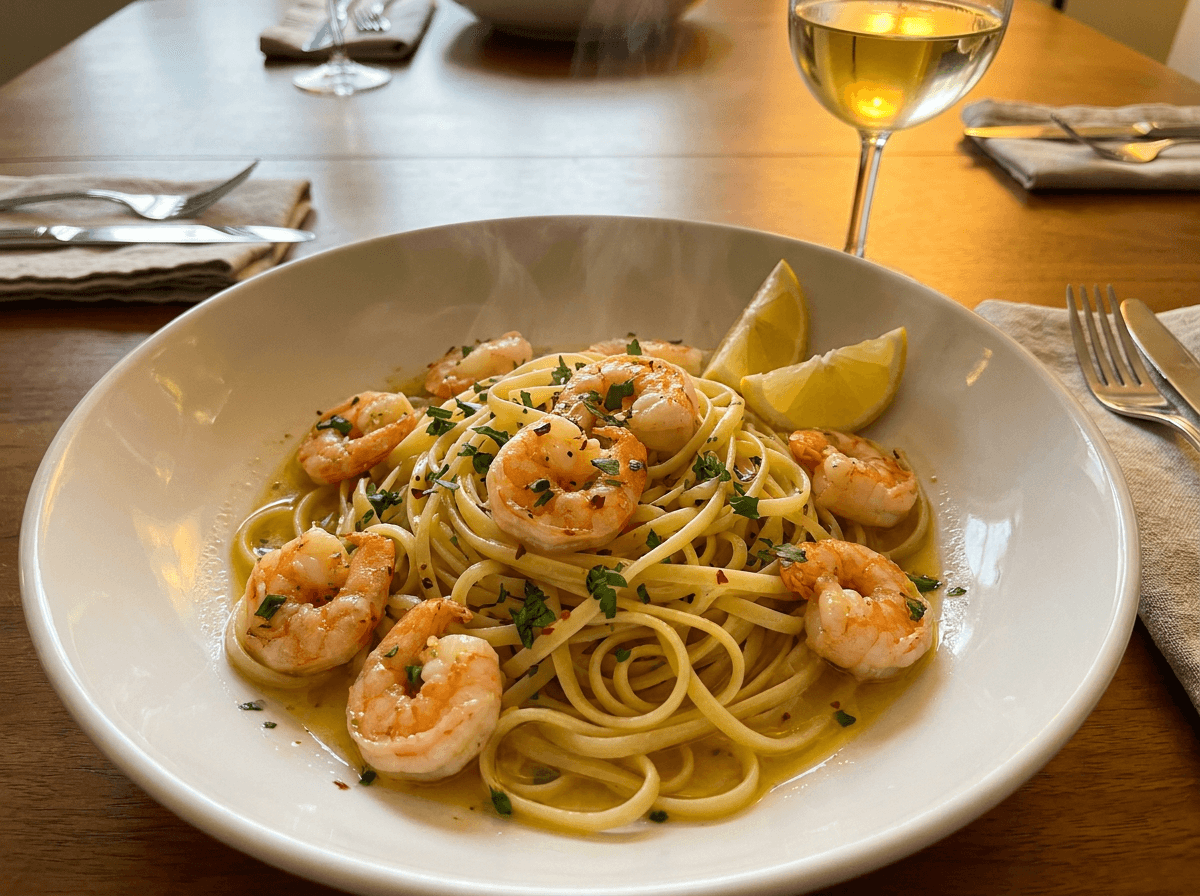
It's 8:15 PM. You just got home. The dog is staring at the empty bowl, breakfast dishes are still in the sink, and nobody has a plan. This is the exact moment shrimp earns its keep. It cooks in two to three minutes and delivers about 20g of protein per 3-ounce serving with very little fat. A bag of frozen, peeled shrimp in the freezer is one of the highest-leverage habits in weeknight cooking. Thaw it under cold running water for a few minutes, pat dry, and you're cooking.
Shrimp scampi is the classic: garlic in butter, then shrimp, then pasta. With Posha, the system can gently sauté the garlic and manage the cooking heat and timing once the shrimp is added, reducing the need for constant stove-side attention. Toss with linguine, squeeze in lemon, and finish with parsley. Dinner lands fast, and maybe those morning dishes finally get a soak. For more on shrimp's nutrition (selenium, B12, iodine), see our guide on whether shrimp is good for you.
7. Quinoa: The Grain That Acts Like a Seed
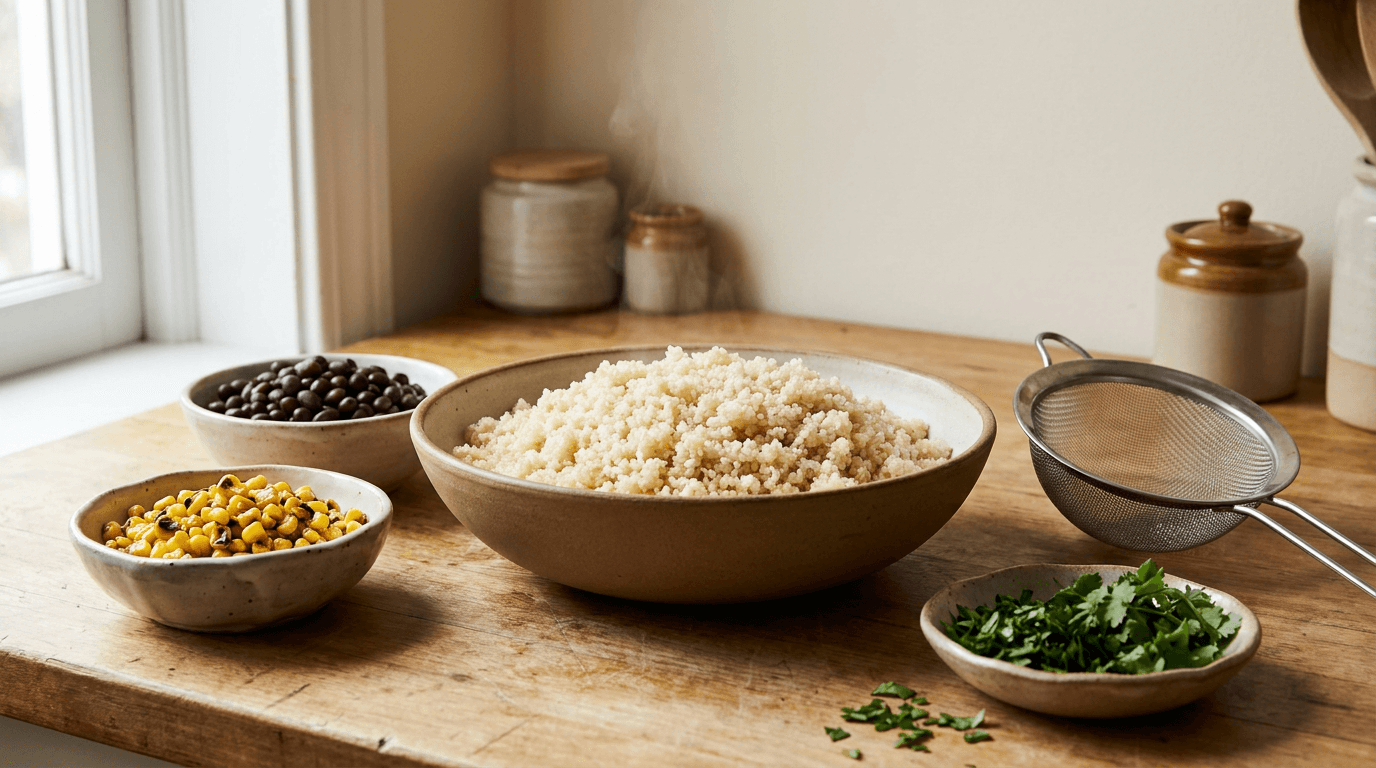
Quinoa is a pseudocereal, not a true grain, and nutritionally that's a real advantage. Unlike rice or wheat, quinoa contains all nine essential amino acids, so it counts as a complete plant protein. One cooked cup has about 8g of protein, plus magnesium, manganese, and phosphorus.
Quinoa is built for meal preparation. Cook a large batch at the beginning of the week, then fold it into salads, add it to grain bowls with roasted vegetables, or combine it with black beans and corn for an easy side. Because quinoa absorbs dressings and sauces well, leftovers can become more flavorful over time.
For households eating more plant-forward meals while retaining flexibility, quinoa fits naturally into a flexitarian diet because it provides complete plant protein without requiring a complete change to the rest of the plate.
8. Chicken Thighs: The Flavorful Alternative
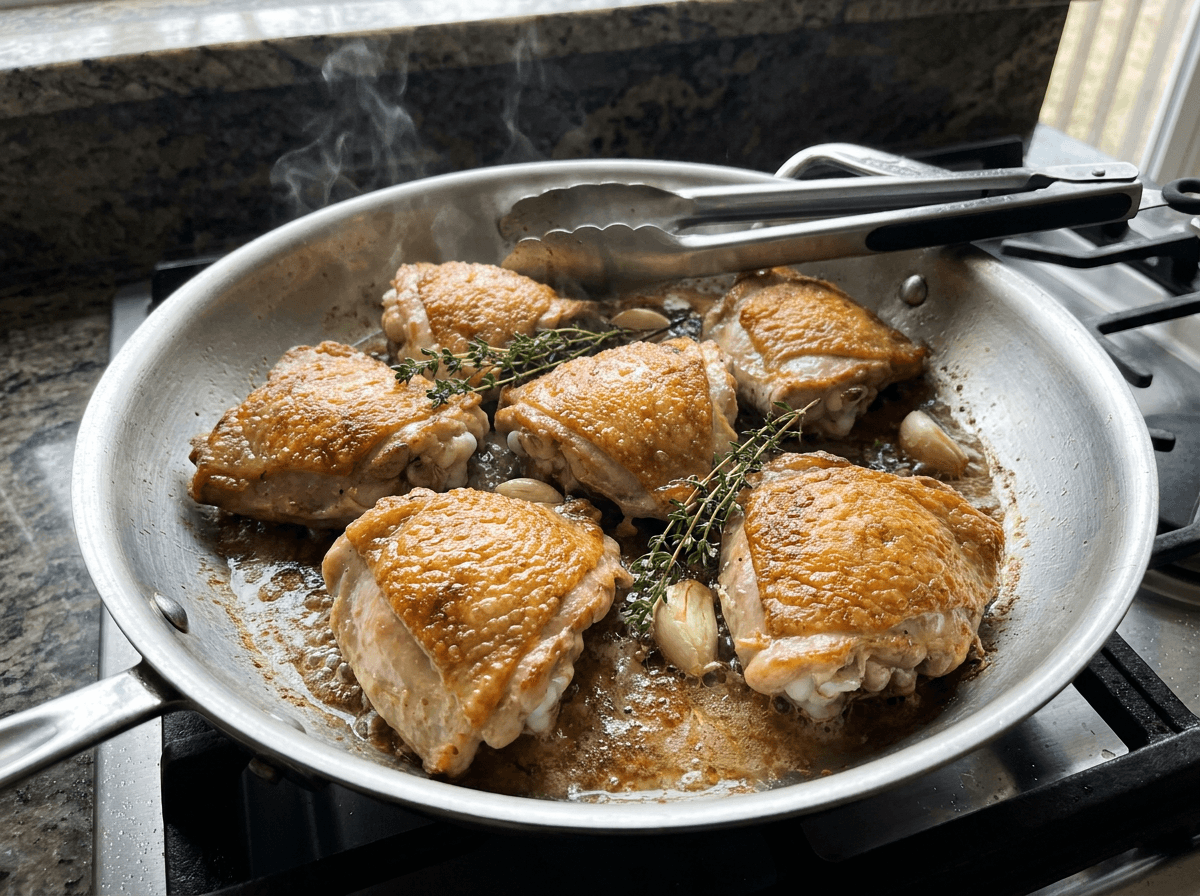
Chicken breast gets the spotlight, but thighs are the cook's cut. Boneless, skinless thighs deliver around 22g of protein per 100g and carry a bit more fat than breast meat - which is exactly why they stay juicy through longer cooking. They're forgiving in a way weeknights demand: overcook a breast by two minutes, and it's cardboard; overcook a thigh by two minutes, and it's still dinner.
If using skin-on chicken thighs, pat them dry, season them well, and place them skin-side down in a hot, lightly oiled pan. Leave them undisturbed until the skin is browned and releases easily, then flip and continue cooking. Chicken thighs also work well for one-pan home cooking, including braises and curries. Posha can manage the initial high heat, reduce the temperature for simmering, and continue stirring while the vegetables, stock, and spices cook together.
Putting It All Together: From Protein Foods to Protein Meals
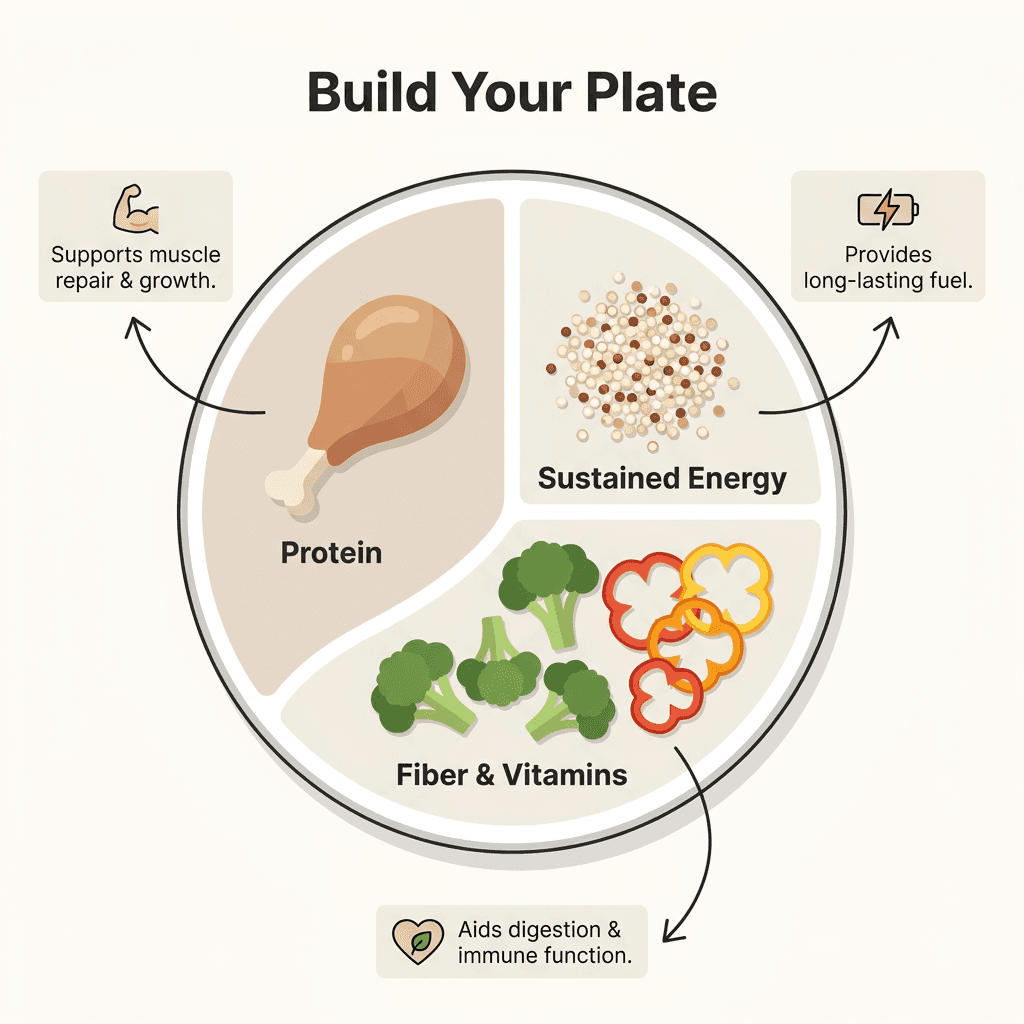
Knowing which foods are high in protein is the easy part. The harder part is turning that knowledge into dinner, repeatedly, without burning out. A simple way to build plates: pick one of the eight proteins, add a generous amount of non-starchy vegetables, then choose either a healthy fat or a complex carb. Salmon with roasted broccoli and quinoa. Lentil dal with spinach and a drizzle of ghee. Shrimp stir-fried with snap peas over brown rice. Once your pantry and freezer are stocked, the menu stops feeling like a puzzle.
For recipes that begin with these staples and end with a complete plate, explore Posha's collection of high-protein meals that are easy to cook at home. That guide focuses on complete meal ideas and practical preparation, while this article serves as the shopping foundation. Together, they can help take you from choosing ingredients to getting dinner on the table.
Prepared meal delivery and reheating-based appliances can reduce active cooking time, but they may also limit ingredient choice, freshness, and mid-cook customization. Posha offers a stronger middle ground: fresh ingredients cooked at home, with heating, stirring, and timing managed automatically.
Frequently Asked Questions
How much protein do I actually need per day?
The Recommended Dietary Allowance for protein is 0.8 grams per kilogram of body weight per day. This is a general baseline intended to cover basic nutritional needs. Some active adults, older adults, and people with specific training goals may benefit from more, but the appropriate amount depends on factors such as age, activity level, health, and overall diet. A registered dietitian can help determine an appropriate target, particularly for anyone managing a medical condition or following a structured training plan.
Can I get enough protein on a vegetarian or vegan diet?
Yes. A practical approach is to spread protein across the day using foods such as lentils, tofu, quinoa, beans, nuts, and seeds. You do not need to combine specific plant proteins at every meal; eating a varied diet across the day can provide the essential amino acids your body needs.
Are protein powders a good substitute for whole protein foods?
Protein powders can be a helpful add-on, especially after a workout or when a full meal isn't realistic. Whole foods still do more: fiber, vitamins, minerals, and other compounds don't come along for the ride in most powders. Use real food as your default and keep powders in the "backup plan" category.
What are some high-protein snacks?
A few reliable options: Greek yogurt with a handful of nuts, a hard-boiled egg, edamame, roasted chickpeas, or cottage cheese with fruit. Most of these land in the 10 to 20 grams of protein range and don't require much effort.
Does cooking method affect the protein in food?
Normal cooking methods - baking, sauteing, steaming, boiling - don't meaningfully change the protein content of food. Very high heat for a long time (heavy charring) can denature some proteins and slightly affect digestibility, but the overall amount of protein stays about the same. Cook it in the way that makes you want to eat it.