Rohin Malhotra
Weeknights tend to trap you in the same loop: you want dinner that actually satisfies and still feels like a good choice, but by 6 PM you are running on fumes. "High-protein" sounds nice until it turns into yet another dry chicken breast or a plan that starts with soaking beans. You can eat more protein without turning dinner into a project.
This is a practical way to get protein-rich meals into your regular rotation without turning your kitchen into a meal-prep factory. You will get a pantry blueprint, a mix-and-match meal table, three different cooking strategies, and straightforward answers to the questions most protein write-ups glide past. Meat, vegetarian, or a household that does both: you can pull something from here and make it work on a normal Tuesday.
Reframing What 'High-Protein' and 'Easy' Actually Mean
Most protein advice goes sideways at the framing. It treats high-protein recipes like a separate genre of food, which is why it starts to feel like homework. A more useful mental model: every meal you already cook has a protein slot. Fill that slot on purpose, using ingredients that land around 25 to 30 grams of protein per serving, and you are basically there.
A review of dietary protein and muscle health suggests that approximately 25 to 30 grams of high-quality protein per meal can help stimulate muscle protein synthesis. However, this is a practical reference point rather than a universal requirement, as protein needs vary with age, body weight, activity level, and individual goals.
"Easy" is simpler than most recipes make it: short active time, a small ingredient list, and cleanup that does not punish you afterward. Easy does not have to mean raw, bland, or sad. The strategies later on stick to that definition. One other data point that puts this in context:
A 2015 IMRB survey of 1,260 adults aged 30 to 55 from socioeconomic groups A and B across seven Indian cities found that approximately nine in ten surveyed participants consumed less protein than the survey's adequacy benchmark. These findings highlight a protein intake gap within the surveyed urban population, although they are not representative of all Indians. People generally know protein matters; the problem is making it happen when time and energy are tight.
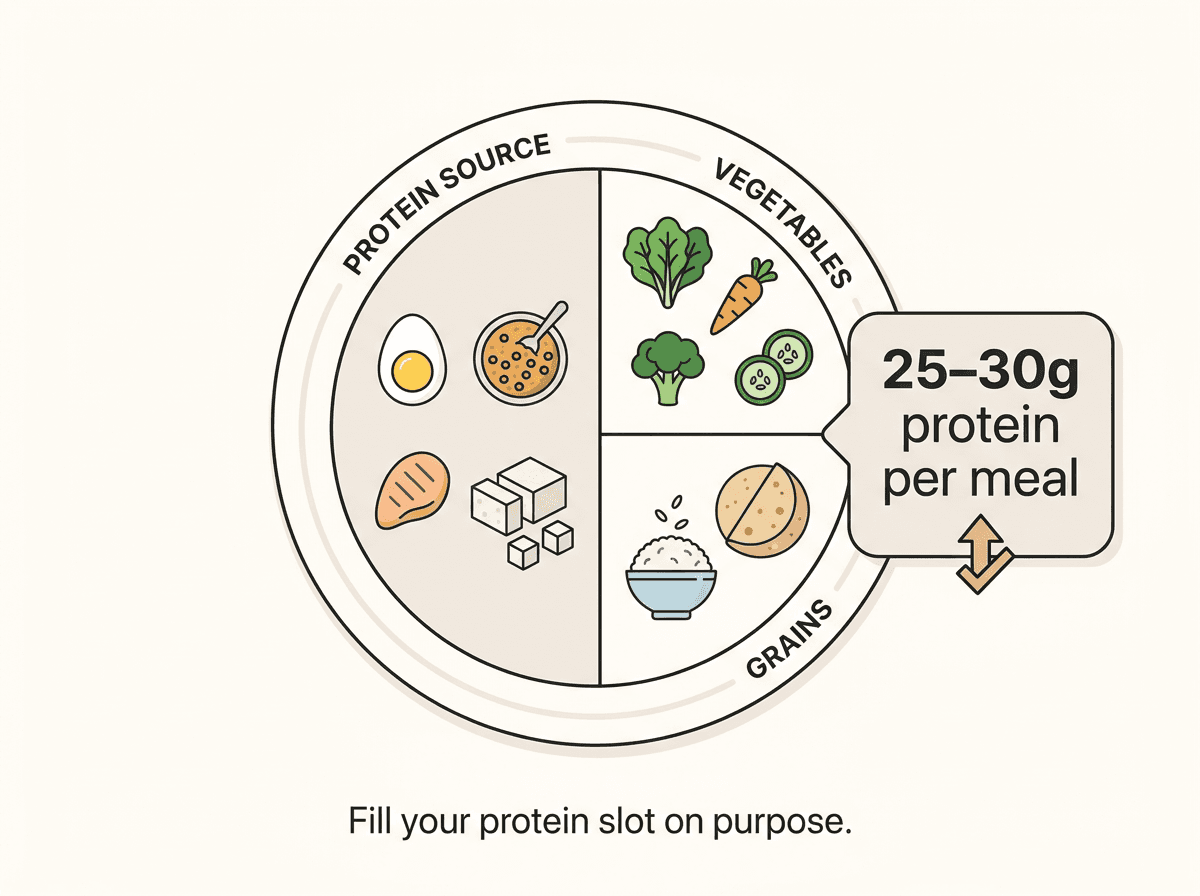
Fill your protein slot intentionally - targeting 25–30g per meal makes high protein meals effortless.
Your High-Protein Pantry: The Building Blocks
If you want easy high protein meals, the work starts at the grocery list. When the right proteins are already in your pantry and fridge, dinner stops being a negotiation and becomes a default. Aim for ingredients you can reuse across cuisines and cooking styles, so you are not buying a one-off item for one recipe you will never repeat.
Plant-Powered Proteins
These are the workhorses of plant-based protein sources:
Lentils and canned beans: A cup of cooked lentils delivers around 18 grams of protein and costs almost nothing. Canned chickpeas and black beans skip the prep entirely. They slide into soups, curries, grain bowls, and wraps without you having to think too hard.
Tofu and tempeh: Give firm tofu a quick press for 15 minutes and it soaks up marinades much better. Tempeh brings a nuttier flavor and slightly higher protein density. Both are weeknight-friendly: pan-fry, bake, or crumble into sauces.
Paneer and Greek yogurt: Paneer earns its place in high protein Indian meals. It keeps its shape, takes on spices well, and plays nicely with almost any vegetable. Greek yogurt pulls double duty as a cooking ingredient (marinades, sauces) and a snack at around 17 grams of protein per cup.
Lean Animal Proteins
For non-vegetarian cooks, these are the most practical options for a high protein dinner on a weeknight:
Eggs: The speed champion. Two scrambled eggs take under five minutes and deliver about 12 grams of protein. Keeping a dozen in the fridge covers a surprising number of "what is for dinner" emergencies.
Chicken thighs and breast: Thighs are forgiving and stay juicy in the oven or slow cooker. Breast are leaner and move fast on a skillet. Either one works well when you want to cook once and eat twice.
Salmon and canned tuna: A salmon fillet cooked at 400°F for about 12 minutes is one of the quickest high protein dinners you can make that still feels like real food. Canned tuna is even quicker and fits into salads, wraps, and pasta.
Tip: What most people get wrong about protein sources: they default to one or two and get bored. Rotating across eggs, legumes, paneer, fish, and chicken keeps meals interesting and covers a broader amino acid profile across the week.
Your Weekly High-Protein Meal Blueprint
Use the table below as a grab-and-go reference, not a strict schedule. The "Best For" column helps when you are deciding between cooking fresh and leaning on the freezer. For more options, browse high-protein recipes on Posha.
Meal Idea | Primary Protein Source | Prep Effort | Best For | Pro Tip |
|---|---|---|---|---|
Spicy Black Bean Soup | Black Beans | Low | Hands-off dinner, High protein meal prep | Swap sour cream for a spoonful of Greek yogurt |
Paneer Tikka Masala | Paneer | Medium | High-protein Indian meals, weekend cooking | Give paneer 30 minutes in yogurt and spices before it hits the pan |
Lemon Herb Baked Salmon | Salmon | Low | Quick weeknight high protein dinner | Foil-line the tray so cleanup is basically done |
Egg and Chickpea Scramble | Eggs and Chickpeas | Low | Fast lunch or breakfast | Canned chickpeas keep this under 10 minutes |
Tofu Stir-Fry with Edamame | Tofu and Edamame | Medium | High-protein vegetarian meals | For the best texture, press tofu overnight in the fridge |
Shredded Chicken Burrito Bowl | Chicken Thigh | Low (slow cooker) | high-protein meal prep, batch cooking | Make a double batch and freeze half |
Greek Yogurt Chicken Marinade Bake | Chicken Breast and Greek Yogurt | Low | Easy high protein meals for busy nights | Yogurt naturally tenderizes the chicken |
Red Lentil Dal | Red Lentils | Low | High-protein Indian meals, freezer-friendly | Red lentils cook in about 20 minutes, no soaking required |
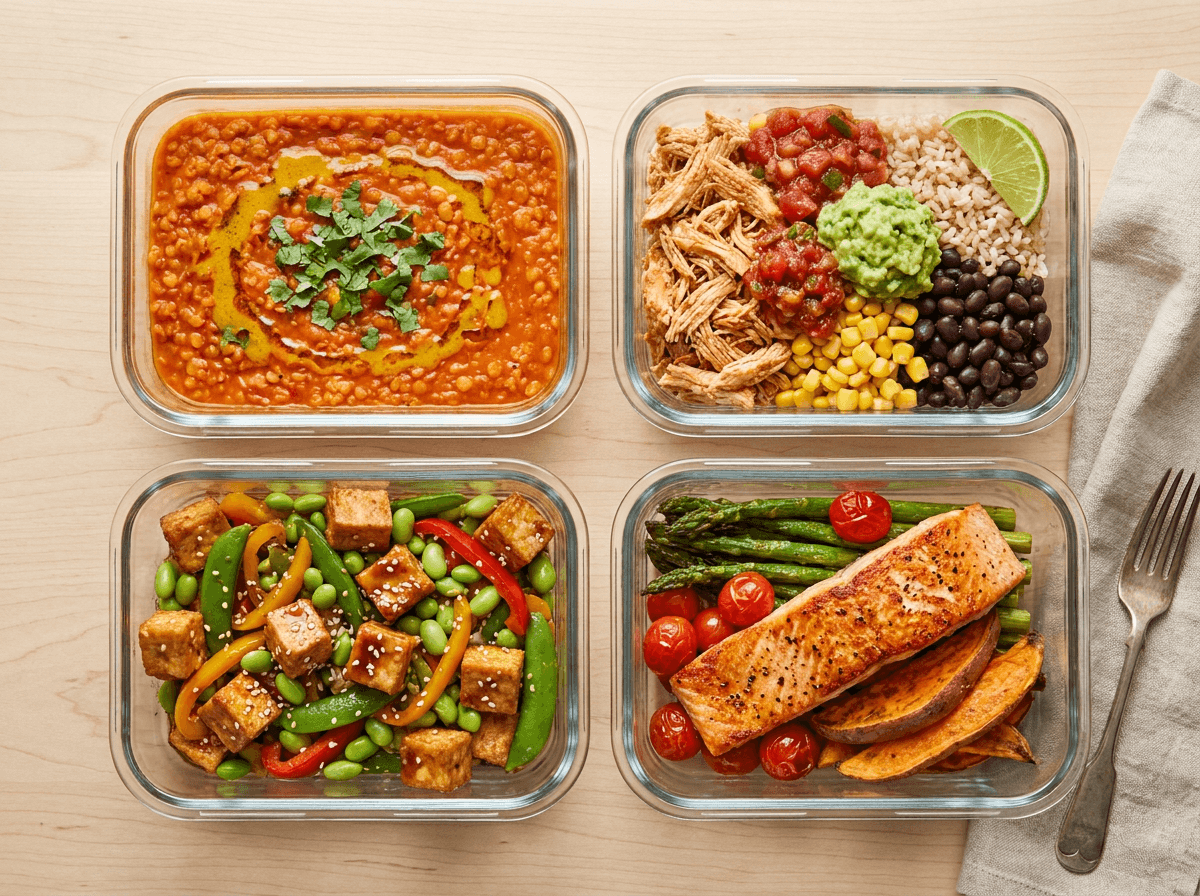
Four protein-rich meals prepped at once - your week's dinners, sorted.
Three Strategies for Making Protein-Rich Meals Actually Stick
You do not have to adopt all three. Choose the one that matches your real week, not the ideal version of your week.
Strategy 1: The Sunday Batch Cook
This is the classic: spend 60 to 90 minutes on Sunday making one big base, then coast through three or four meals during the week. A pot of red lentil dal can be dinner with rice on Monday, wrap filling on Tuesday, and a thicker soup with bread on Wednesday. Shredded chicken from a slow cooker works the same way: burrito bowls, grain salads, and quesadillas, all from one cook session.
According to the USDA freezer storage guidelines, soups and stews maintain their best quality for approximately two to three months, cooked meat for two to three months, and cooked poultry for approximately four months when stored at 0°F (-18°C) or below. These time frames relate to quality rather than safety, as food kept continuously frozen at this temperature remains safe indefinitely.
Strategy 2: The Component Prep Method
If eating the same thing four days straight makes you want to order takeout, component prep is the better move. Instead of full dishes, prep building blocks: a batch of quinoa, a tray of roasted vegetables, grilled chicken strips, a jar of tahini dressing, and a pot of boiled eggs. Most components take 15 to 20 minutes. After that, weeknight meals are assembly, not cooking.
Monday can be a quinoa bowl with roasted vegetables and chicken. Tuesday is eggs over greens with tahini. Wednesday turns into a wrap with chicken and whatever vegetables are still hanging on. The protein rotates, the meals do not feel repetitive, and you stop opening the fridge with that "oh no, not this again" feeling. If you want variety without extra weeknight effort, this is the most forgiving system.
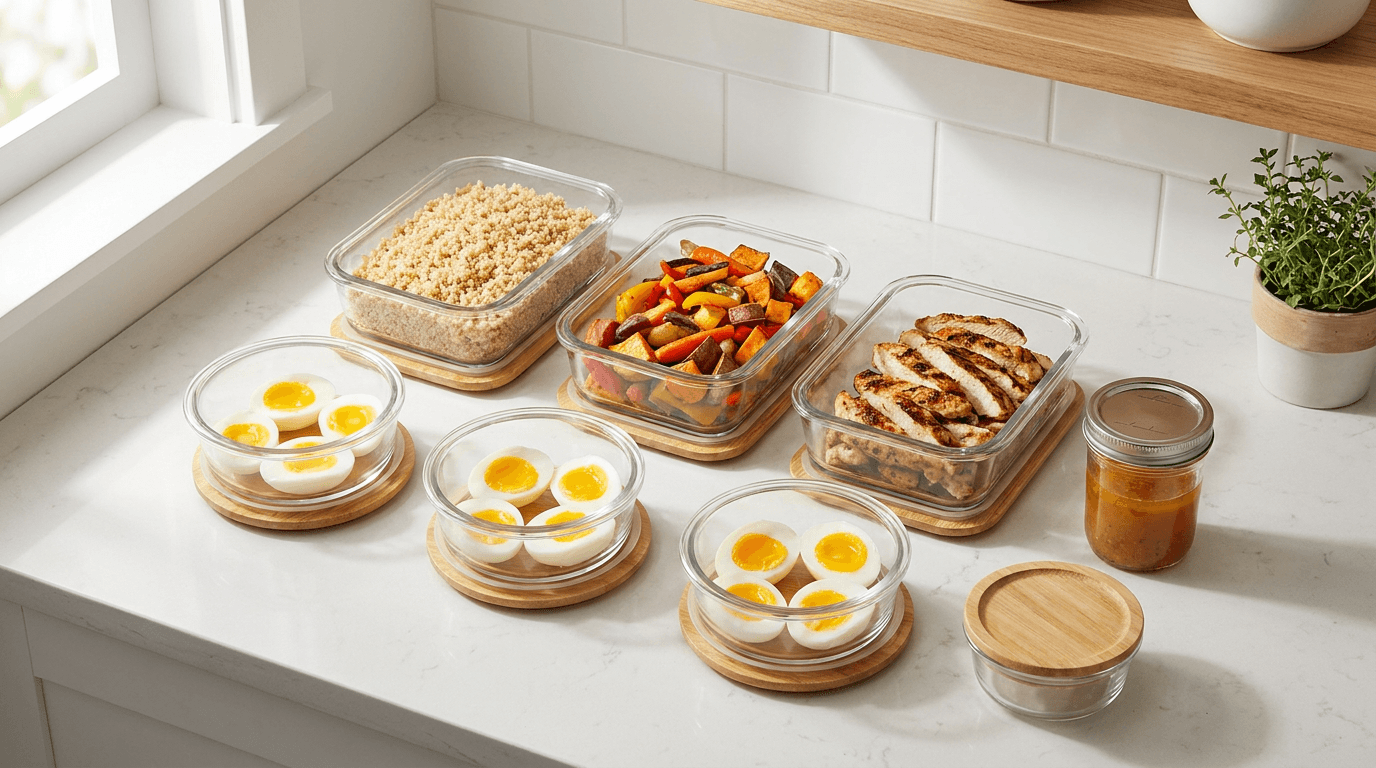
Component prep turns weeknight cooking into simple assembly — no starting from scratch.
Strategy 3: Set It and Forget It Automation
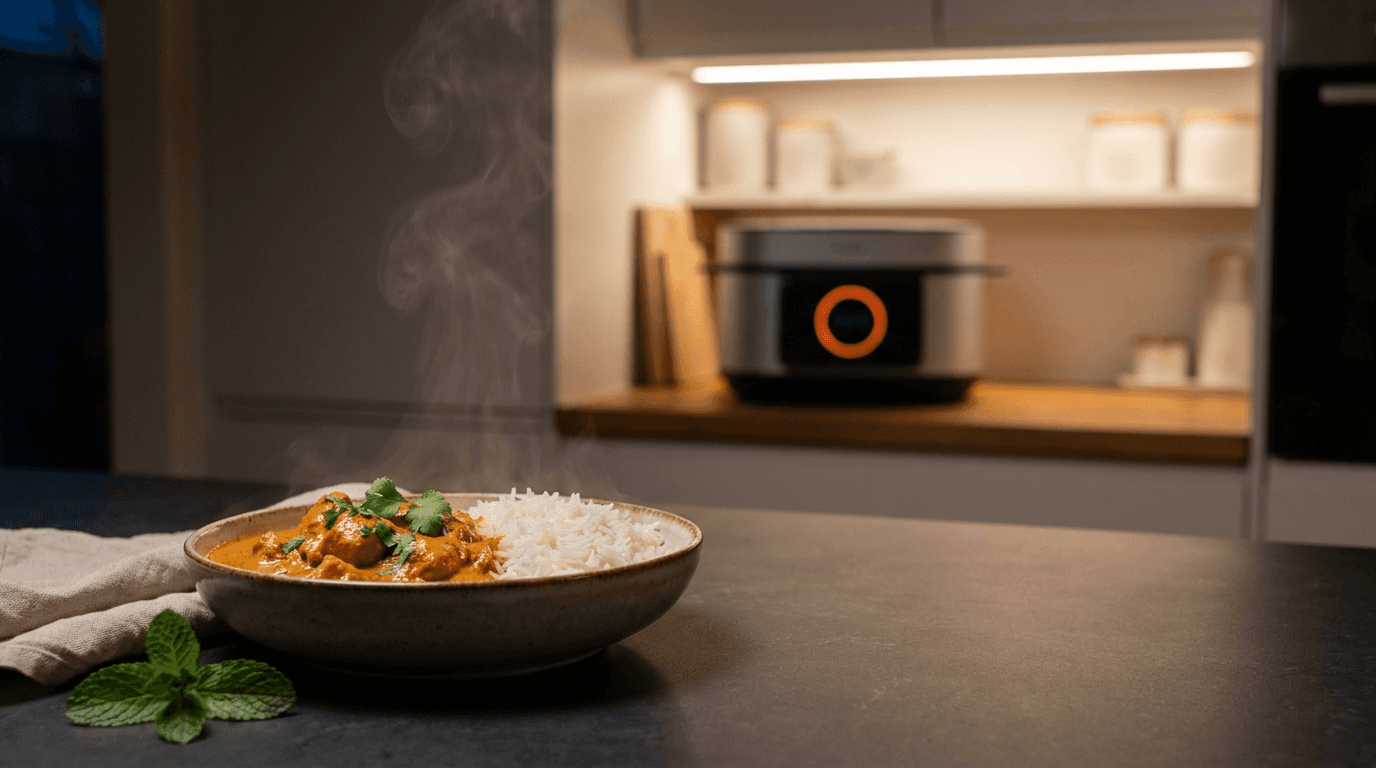
This one is for nights when you want a protein-rich meal but you cannot be tied to the stove. Slow cookers and pressure cookers do the heavy lifting for dump-and-go recipes like butter chicken, black bean soup, and turkey chili. Load it up in the morning, and you come home to a finished high protein dinner.
If you want to push that idea further, the Posha cooking system can handle much of the active cooking after you prep and load the ingredients. During supported recipes, Posha manages tasks such as stirring and heat adjustments while monitoring how the food changes as it cooks. That is especially handy for high protein Indian meals like dal and curry, where long, steady cooking builds flavor but a moment of distraction can scorch the pot. The upside is consistency: flavorful meals without hovering.
Note: Skip this section if you already have a reliable slow cooker routine. The automation strategy matters most when busy nights regularly knock cooking off the table, not when your current setup is already working.
Putting It All Together: Your Next Steps
According to Health Canada's dietary reference intakes, the Recommended Dietary Allowance (RDA) for protein is 0.8 grams per kilogram of body weight per day for most healthy adults.
The International Society of Sports Nutrition identifies a higher daily intake of approximately 1.4 to 2.0 grams per kilogram as sufficient for most exercising individuals seeking to build or maintain muscle mass. Consistently hitting those numbers is less about willpower and more about removing the little bits of friction that derail weeknight cooking. That is the thread running through everything here.
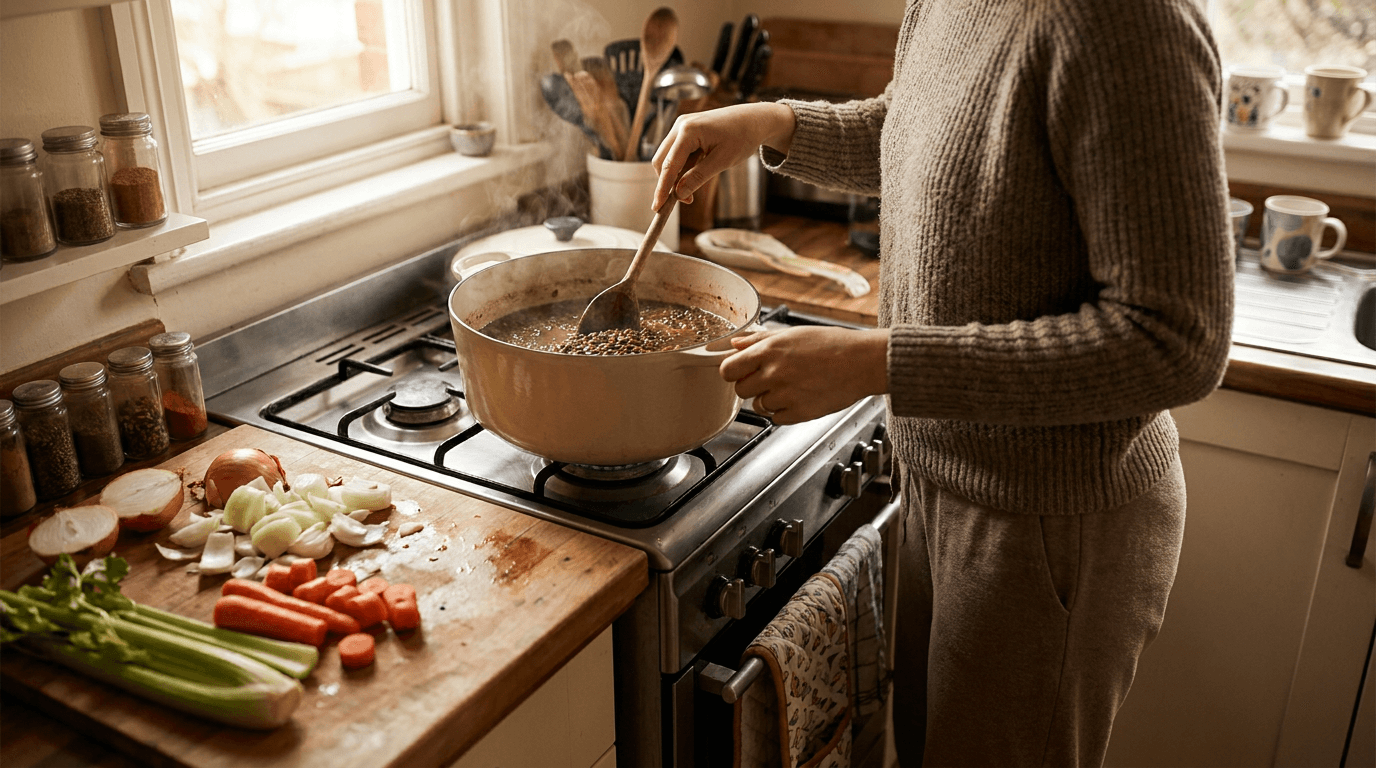
Keep it small this week. Choose one meal from the blueprint table, buy what you need, and cook it once. Do not try to rebuild your entire routine in a single grocery run. When that meal starts to feel automatic, add a second. You are building a repeatable system out of protein-rich meals you actually like, not chasing a perfect plan you drop after two weeks.
Sunday batch cooking, component prep, or automation: the "best" approach is the one you will keep doing when the week gets busy. Tools can help, but habits carry it. If you want more ideas to keep your rotation from getting stale, Posha's high-protein recipe collection is a solid place to browse for more ideas.
Consistency beats perfection - one good high-protein meal this week is a real start.
Frequently Asked Questions
How much protein do I actually need per meal?
Most healthy adults have a protein RDA of 0.8 grams per kilogram of body weight per day. Aiming for 25 to 30 grams per meal can be a practical approach for some adults, but individual needs vary. For people who exercise regularly, the International Society of Sports Nutrition identifies approximately 1.4 to 2.0 grams per kilogram of body weight per day as sufficient for most individuals seeking to build or maintain muscle mass.
Can I get enough protein from only vegetarian meals?
Yes, as long as you build the meal around real protein sources. Lentils, chickpeas, paneer, tofu, tempeh, and Greek yogurt can all get you to 25 to 30 grams per serving. It also helps to mix sources across the day instead of leaning on just one. A lentil dal with a side of Greek yogurt raita, for example, gives you a strong protein base in one meal.
Are high-protein meals good for weight management?
Protein is the most satiating macronutrient, which is a fancy way of saying it keeps you full longer than the same calories from carbohydrates or fat. Long-term clinical trials of 6 to 12 months have shown that high-protein diets can support weight loss and help prevent weight regain. This piece is focused on practical meal ideas, not medical or weight-loss advice, so if you have specific goals, a registered dietitian is the right person to talk to.
What are the easiest high-protein snacks to make at home?
Hard-boiled eggs (make a batch of six on Sunday), Greek yogurt with a handful of nuts, cottage cheese with fruit, roasted chickpeas, and edamame with a pinch of salt are all quick, filling options. Most take under five minutes to put together and land around 10 to 20 grams of protein per serving. They are especially useful when dinner is still a few hours away.
My high-protein meals always taste bland. What am I doing wrong?
A lot of protein staples are neutral by design: chicken breast, tofu, and lentils will not taste like much on their own. They need acid (lemon juice, vinegar, tamarind), fat (olive oil, coconut milk, butter), and aromatics (garlic, ginger, onion, spices) to come alive. Marinating helps, and seasoning in layers while you cook matters more than dumping salt in at the end. For high protein Indian meals specifically, blooming whole spices in oil at the start is one of the easiest ways to get deep flavor fast.