Rohin Malhotra
The sizzle of a hot tawa. The crack of a hollow puri giving way under your thumb. Then the rush: tangy, sweet, spicy, all arriving at once. Indian street food isn't just a category of cooking; it's a sensory language spoken across a subcontinent, with dialects that shift every few hundred kilometers. And it runs deep: Ancient Indian texts such as the Arthashastra refer to sellers of cooked food in urban centers, showing that prepared-food commerce has deep roots in the subcontinent, a reminder that the street stall is as old as Indian city life itself.
For many of us in the Indian-American diaspora, those flavors show up as memory before they show up as a recipe. A paper plate of bhel puri on Juhu Beach. A samosa handed over in a newspaper cone outside a Delhi metro station. Bringing that feeling into a home kitchen, though, can feel like trying to conduct an orchestra with one hand tied up.
This guide takes a region-by-region walk through Indian street foods, from the anatomy of a perfect chaat to the coastal snacks of the South. Along the way, we'll get honest about why these dishes feel so finicky at home, and how a more thoughtful approach to component cooking can put them back on a weeknight table.
The Anatomy of Chaat: Deconstructing the Perfect Bite
Chaat isn't one dish so much as a set of rules for how a bite should land. From a loaded aloo tikki plate in Old Delhi to a paper cone of bhel on a Mumbai beach, the classics share the same underlying structure. Once you can see that structure, you can build almost any chaat with confidence.
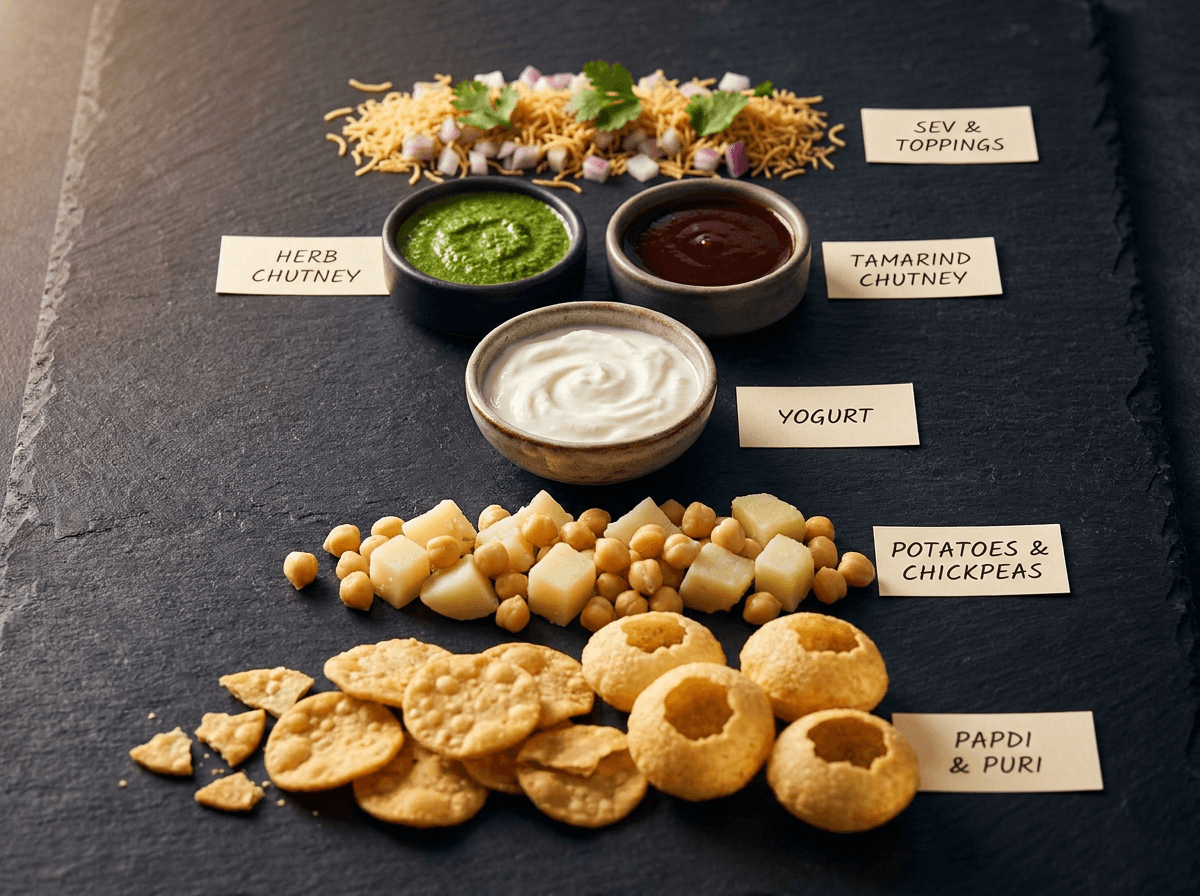
The Crunchy Base. Papdi (flat, crisp wafers), puri shells, even a crushed samosa when you're feeling indulgent. It's the scaffold and the first textural jolt. The Hearty Filler. Boiled potatoes, sprouted moong, chickpeas. This is the part that makes it feel like food, not just snacking, and it soaks up everything around it.
The Cooling Element. Whisked yogurt, sometimes nudged sweeter, keeps the heat in check and brings a creamy counterpoint. The Flavor Engine. Two chutneys, working as a pair: a bright, herbaceous mint-coriander chutney and a dark, sweet-sour tamarind-date chutney. The exact push and pull between them is where a chaat wallah's signature shows. The Finishing Touch. A final shower of sev (crispy chickpea-flour noodles), diced raw onion, and fresh coriander, adding crunch right when you need it most.
This is cooking-with-love science, the kind you can taste: every layer is easy on its own, but the bite lives or dies on balance. Too much yogurt and the crunch disappears. Skimp on tamarind chutney and the whole thing loses its spark. Street vendors don't measure; they calibrate, thousands of plates at a time, until the ratios live in their hands. At home, you get there the old-fashioned way: taste as you build, adjust the drizzle of chutney, add a pinch of chaat masala, taste again. That back-and-forth is the craft.
A Tour of India's Most Beloved Street Foods
Street food follows the land. Climate, crops, and local appetites shape what gets fried, what gets fermented, and what gets eaten standing up on a corner. A snack born in humid coastal Mumbai doesn't behave like one from Punjab's wheat-belt plains, and that's exactly why the map is so delicious. The India Gourmet Street Food Market was valued at USD 279.27 million in 2025 and is projected to reach USD 480.02 million by 2034 (India Gourmet Street Food Market Size & Outlook, 2026-2034), a tidy indicator of how powerfully these regional flavors travel across India and across the diaspora. Start in the west and follow the cravings.
From the West: Mumbai's Icons
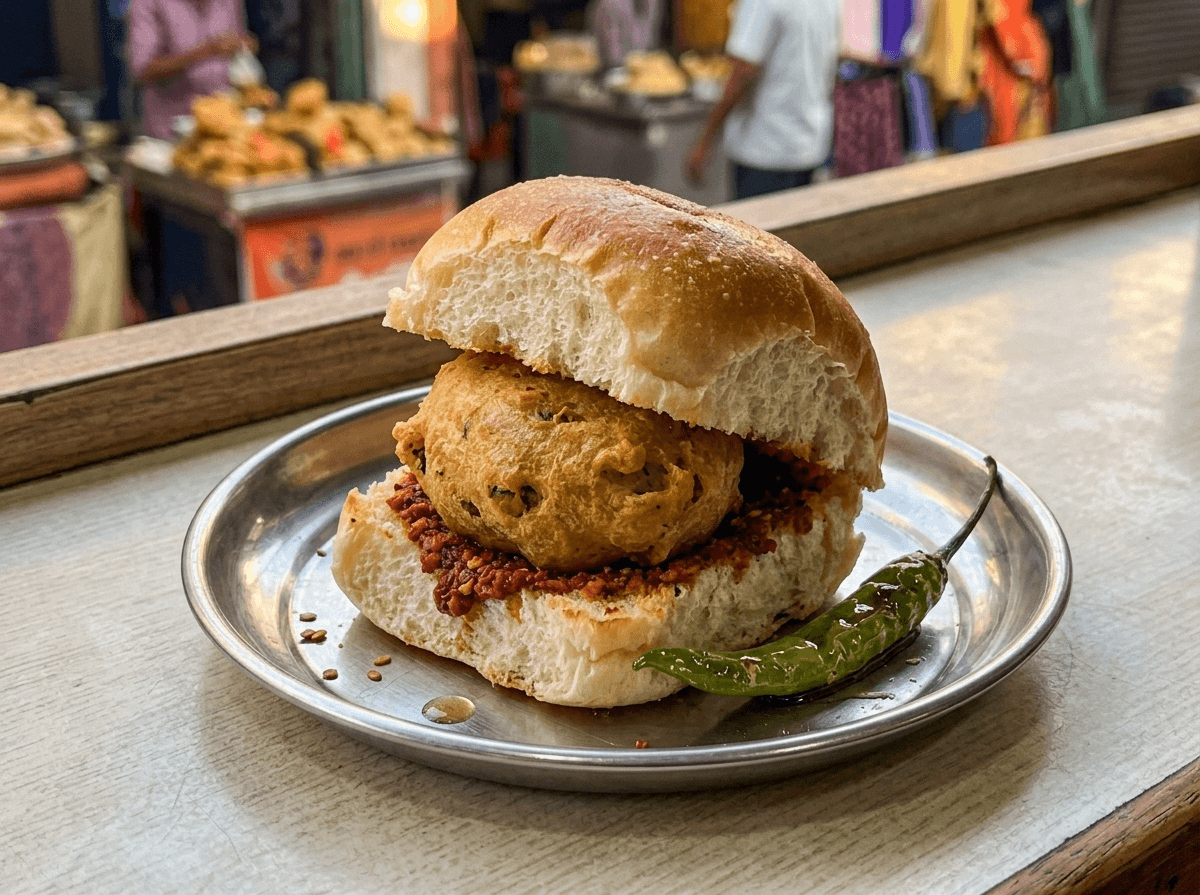
Vada Pav. It's often tagged the "Indian burger," but that comparison undersells how specifically Mumbai it is. Ashok Vaidya is often credited with starting the first vada pav stall outside Dadar railway station in 1966, serving mill workers and commuters rushing between shifts. A spiced potato vada, dipped in chickpea-flour batter and fried until the shell crackles, gets pressed into a soft pav with dry garlic chutney and a slick of green chutney. The pleasure is in the contrasts: pillowy bread against crisp batter, sharp garlic heat against mild potato. It's cheap, filling, and utterly democratic a meal that belongs to the city, not to any one class.
Pani Puri and Bhel Puri. Same city, wildly different energy. Pani puri (golgappa in the north, puchka in the east) is the interactive one: crack a hollow, crisp puri, tuck in a spoonful of spiced potato and chickpea, then dunk it into tangy, spiced water (the "pani"). You eat it in one bite, immediately, before the shell turns soft. The fun is the urgency. Bhel puri is the beach chaat: puffed rice (murmura) tossed with sev, chopped onion, tomato, raw mango, and both chutneys. It's all crunch and tang, built for walking along the sand with a paper cone in hand.
From the North: Delhi's Rich Heritage
The samosa doesn't need explaining; Delhi's particular devotion does. That triangular pastry - flaky crust, spiced potato-pea filling - is a pan-India star. In Delhi, it gets treated like a foundation. In the lanes of Chandni Chowk, vendors crush a whole samosa onto a plate, pour chole (spiced chickpea curry) over the rubble, then finish with yogurt, chutneys, and sev. Chole samosa chaat turns a snack into dinner. As the crispy shell drinks in warm chole, it softens just enough to make room for new textures, the kind that reward eating slowly instead of on the run.
Aloo Tikki Chaat is Delhi's fuller-throated answer to Mumbai's lighter chaats. Thick potato patties (tikki) are shallow-fried on a flat griddle until the crust turns deeply golden and shatters under a fork. Then comes the pile-on: whisked yogurt, tamarind chutney, mint chutney, roasted cumin powder, and a generous handful of sev. The tikki is often stuffed with a spiced dal filling before it hits the pan, sneaking in another layer of flavor. If bhel puri is a sprint, aloo tikki chaat is built for lingering.
From the South: Coastal and Crispy Delights
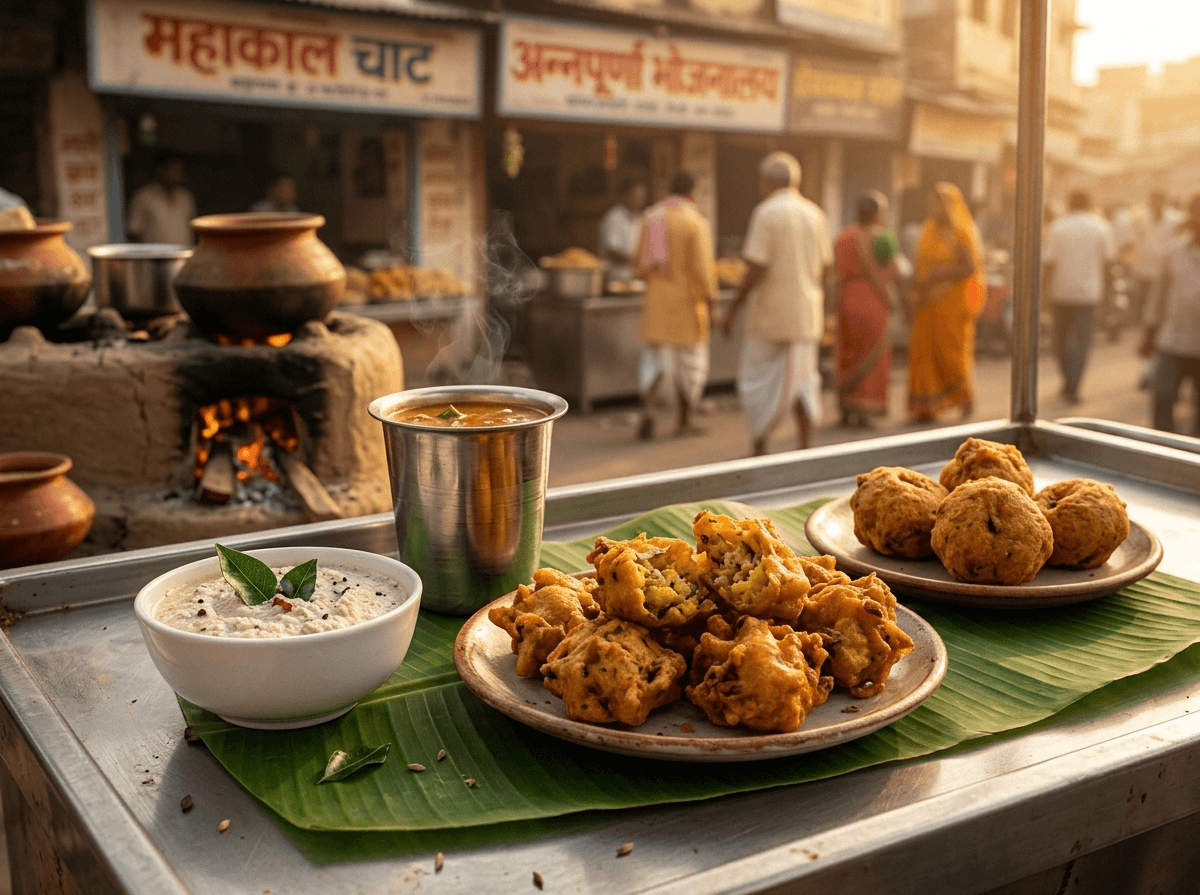
South India's street food runs on a different set of instincts. The sweet-tangy chutney logic of northern chaat steps aside for lentils, rice flour, fresh coconut, and curry leaves. Punugulu, a beloved Andhra snack, are round fritters made from leftover idli or dosa batter, fried until puffy and golden, then served with a fiery ginger-chili chutney.
Across Karnataka and Tamil Nadu, bondas - sometimes potato-stuffed, sometimes simply lentil-batter spheres - play a similar role, always with coconut chutney and sambar close by. It's a different style of satisfaction: fewer moving parts, louder single flavors, and a lot riding on the quality of the fry.
The Home Cook's Dilemma: Why Street Food Feels Fiddly
Most people misdiagnose why Indian street food is hard at home. It's not that the cooking is complicated. Each piece of a chaat is straightforward: boil potatoes, whisk yogurt, blitz a green chutney. What trips you up is coordination. A plate of pani puri asks for puri shells, a potato-chickpea filling, two chutneys, and spiced pani. That's four separate preparations for one snack, and none of them waits politely for the others.
A street vendor makes it look effortless because the work happened earlier, in bulk, before the first customer showed up. The chutneys were done that morning. The potatoes were boiled in a massive pot. The sev came in wholesale sacks. For a home cook on a Wednesday night, prep isn't a prelude; it's the whole job. You're not making one dish so much as running a small production line. And the time thieves are the quiet, hands-on stretches: tamarind chutney that needs to simmer and reduce for 25 minutes, chickpeas that need pressure-cooking, potato filling that wants to be mashed and spiced while it's still warm. None of this is difficult. It's just the kind of cooking that asks you to stand there - stirring, watching, adjusting the heat - while life keeps happening around you.
Reclaiming Your Weeknights: A Smarter Way to Chaat
The fix isn't to sand down the recipes until they taste like nothing (that's not why you're here). The fix is component cooking: make the foundations in batches so the final plate is a five-minute burst of fun, not a ninety-minute project. Keep tamarind-date chutney and mint-coriander chutney in jars in the fridge, add a container of cooked, spiced chickpeas, and suddenly aloo tikki chaat is a Tuesday decision, not a weekend plan.
That's also where the Posha cooking system can fit into a component-cooking routine. For supported recipes, you prep and load the ingredients, then Posha can watch cooking progress, stir as needed, adjust heat, add ingredients in sequence, and move through the cooking steps while you step away from the stove.
The self-cooking stove takes on many of the "simmer and stir" jobs that keep you tethered to the kitchen. You keep the part that matters most for chaat: assembling, drizzling, tasting, and adjusting. If you want to build a similar workflow for other Indian dishes, the Indian meal prep guide on Posha's site lays out the strategy.
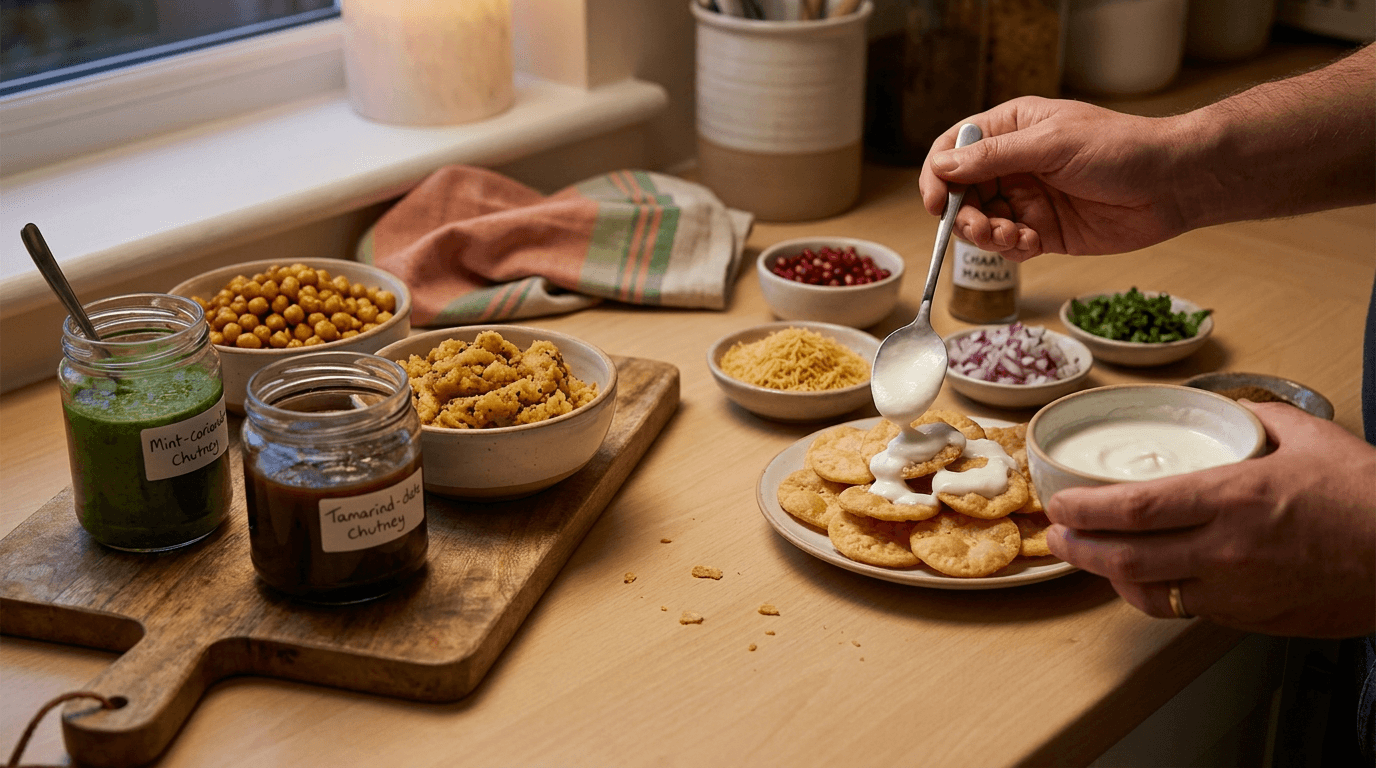
The payoff shows up fast. Instead of burning a Saturday making chaat from scratch for a dinner party, you can get the base components ready earlier in the week. For components that are part of supported Posha recipes, Posha can take over the active cooking while you're doing something else. Then, on the night, you put out the chutneys, yogurt, and sev and let everyone build their own plate.
Beyond the Basics: Tips That Separate Good Chaat from Great Chaat
A handful of details street vendors treat as second nature - and home cooks often miss:
Assemble at the last second. Chaat's biggest enemy is time. The moment chutney hits a puri or papdi, the countdown to sog starts. Build, serve, eat. No exceptions.
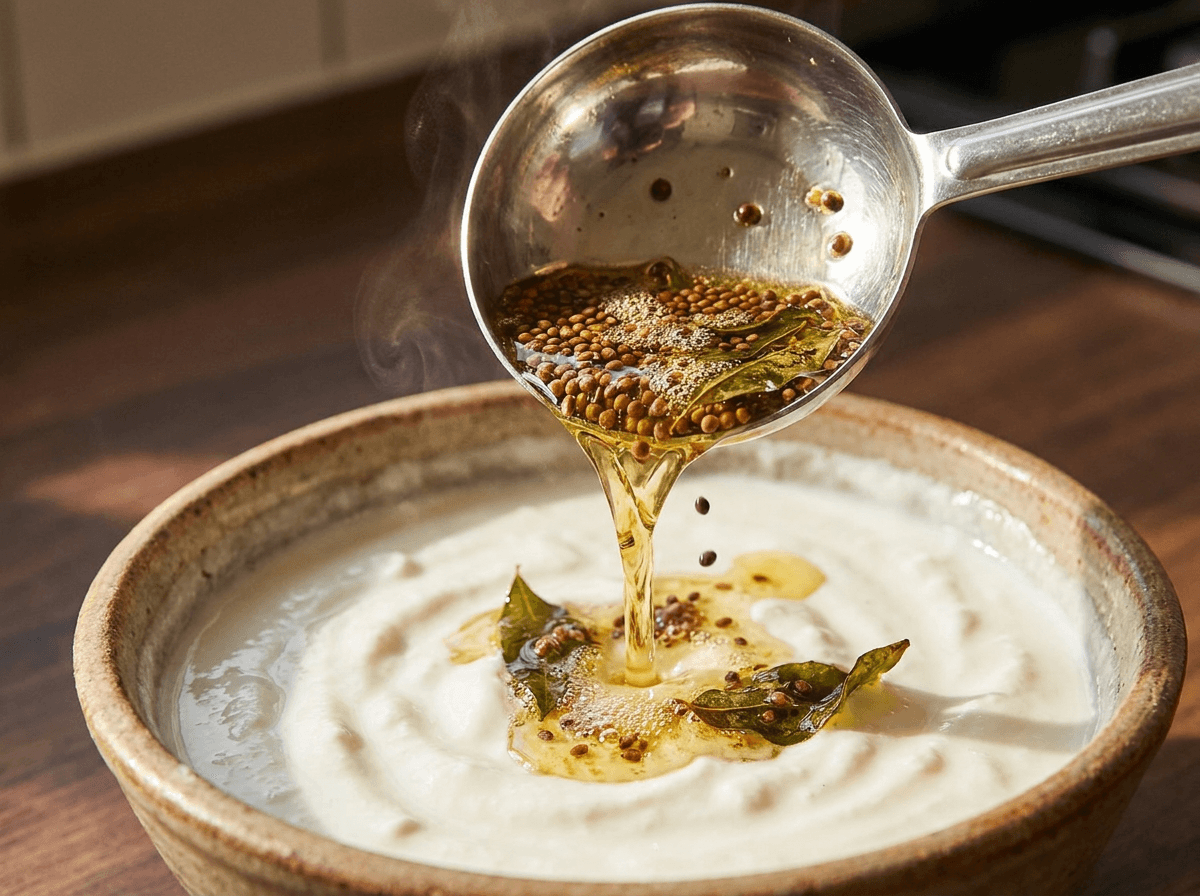
Tadka your yogurt. Many home cooks stop at whisked yogurt with salt and sugar. Finish it with a quick tadka - mustard seeds, curry leaves, a pinch of asafoetida bloomed in hot oil - and the cooling element suddenly has a point of view.
Toast your cumin. Dry-roast whole cumin seeds until fragrant, then crush them. The difference between pre-ground cumin and freshly toasted is the difference between a flat note and a full chord.
Balance your chutneys to each other, not to a recipe. Taste your tamarind chutney first. If it's especially sweet, make your mint chutney hit harder with green chili. They're a pair; they should tug against each other.
Frequently Asked Questions
Can I make chutneys for chaat ahead of time, and how long do they last?
Yes - and it's the move that makes weeknight chaat realistic. Tamarind-date chutney keeps 2 to 3 weeks in the refrigerator (the sugar and acid act as natural preservatives). Mint-coriander chutney is at its best within 4 to 5 days; after that, it dulls in color and loses that just-blended freshness. Both freeze well for up to 2 months.
What's the secret to getting pani puri shells (puris) perfectly crispy?
It comes down to three variables: the dough (semolina and wheat flour, rolled very thin), oil temperature (around 180C / 356F, hot enough that the puri puffs within seconds), and technique (gently press the puri with a slotted spoon as it fries so it puffs evenly). If your puris won't puff, the dough is probably too thick, or the oil isn't hot enough. Store-bought puri shells are a completely legitimate shortcut - and what plenty of Indian families use for weeknight pani puri.
Is it better to use canned or dried chickpeas for chaat recipes?
Dried chickpeas, soaked overnight and pressure-cooked, give you a firmer bite and a cleaner, more "beany" flavor that holds up when chutneys and yogurt get involved. Canned chickpeas work when you're in a hurry, but they tend to be softer and can go a little mushy in chaat. If you use canned, drain and rinse thoroughly, then toss them in a hot pan with chaat masala for a minute to firm them up and add flavor.
Are there any healthy Indian street food options?
Yes. Bhel puri is relatively light: puffed rice is low in calories, and most of the punch comes from chutneys and fresh vegetables rather than oil. Sprout chaat (sprouted moong tossed with onion, tomato, lemon juice, and chaat masala) brings protein and fiber with no frying. Roasted corn on the cob, rubbed with lime and chili powder, is another street-side staple that stays naturally wholesome. If you're aiming lighter, choose chaats driven by assembly, not deep frying.
What is 'sev' and can I substitute it with something else?
Sev is a thin, crispy noodle made from chickpea flour (besan), pressed through a mold and deep-fried. It's the final crunch layer in many chaats, and it happily absorbs chutney as you eat. If you can't find sev (most Indian grocery stores carry it), crushed plain papdi, thin pretzel sticks broken into small pieces, or even fried onion strings can stand in. You're looking for a light, salty crunch against the wetter layers underneath.