Rohin Malhotra
It's Monday. You've got a sensible vegetarian plan, the produce drawer is stocked, and you mean it this time. By Wednesday, the spark is gone, and you're back thumbing through the same takeout options you promised you'd avoid. Vegetarian cooking isn't the issue. The loop is: the same three dinners, on repeat, until even a beloved dal starts to feel like another task on the list.
This is less about willpower than it is about weeknights that feel like they belong to you: dinners with enough flavor to be exciting, and enough structure to be doable when you're tired.
A 2026 Harris Poll commissioned by the Vegetarian Resource Group found that 5% of U.S. adults reported never eating meat, fish, seafood, or poultry, which the survey classified as vegetarian. The poll also found that many more adults sometimes or usually eat vegetarian meals. That only raises the bar for variety. The six ideas below are built to break the rut, with restaurant-level payoff and weeknight-level effort. Start anywhere; the goal is simply to keep the week interesting:
Next-Level Palak Paneer
One-Pot Black Dal Makhani
Weeknight Chana Masala with a Twist
Deconstructed Samosa Bowls
Creamy (but Creamless) Tomato & Roasted Red Pepper Soup
Hearty Mushroom & Walnut Bolognese
1. Next-Level Palak Paneer: Beyond the Standard Takeout
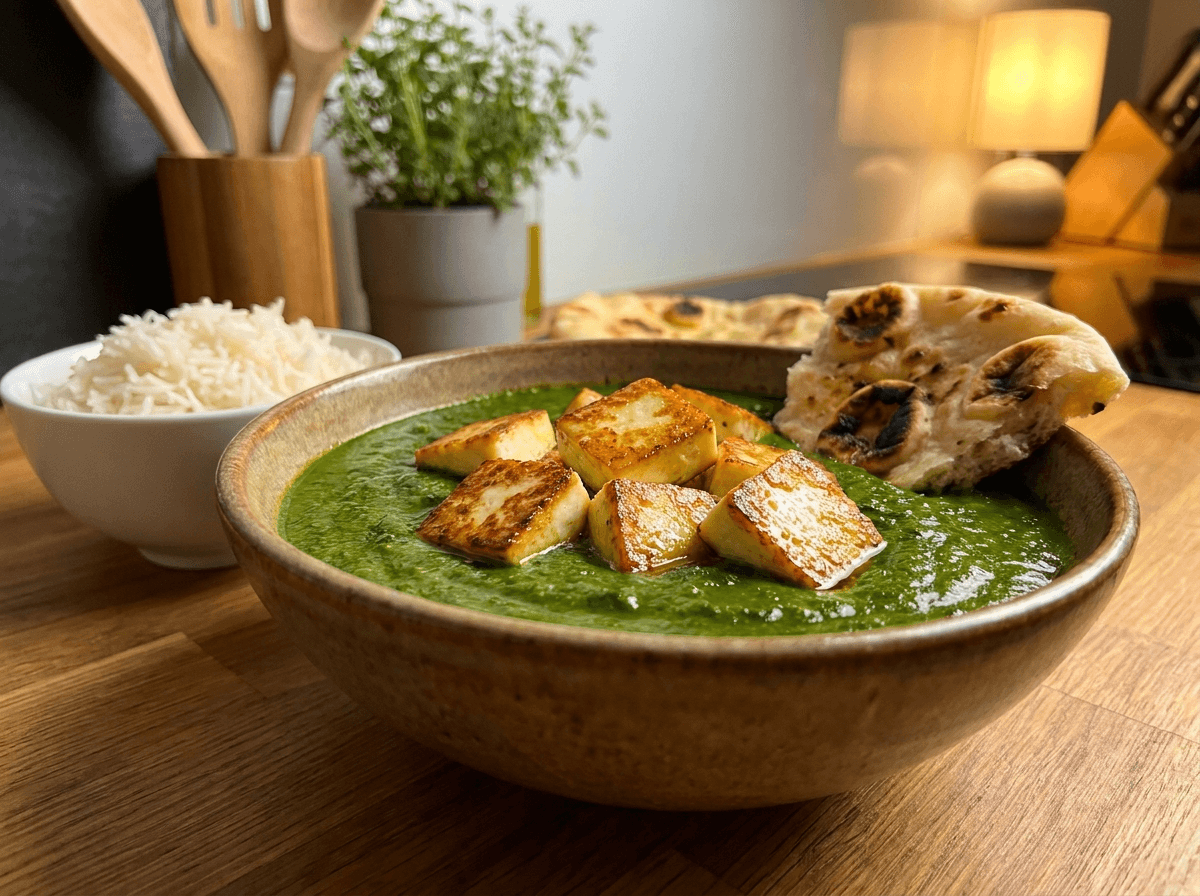
The two-stage method keeps the spinach vivid and the paneer perfectly golden.
A lot of homemade palak paneer lands in the sad middle: gritty, dull-green, and nowhere near the silky restaurant version you actually want. The fix isn't exotic ingredients; it's a two-part method most people skip on a busy night. First, blanch the spinach fast (90 seconds, tops) and shock it in ice water so it stays bright. Blend it into a smooth puree. Separately, sear paneer cubes in a hot pan until they pick up a light crust, the kind that holds its shape once it hits the sauce.
Once you bring them together, the dish finally has contrast: a clean spinach base that simmers gently with ginger, green chili, and a touch of cream, plus paneer that soaks up flavor without collapsing into softness. This is also where the Posha cooking system makes itself useful. For a supported palak paneer recipe, Posha can manage active stovetop steps such as ingredient timing, stirring, and heat adjustments while the dish cooks. Prepare or sear the paneer separately if the selected recipe calls for it. You end up with something layered and textured, not a one-note green stew. If you want more ways to work it into your rotation, Posha's guide on paneer- what it is and how to use it is a solid place to start.
2. One-Pot Black Dal Makhani: The Weekend Dish You Can Now Make on a Tuesday
Dal makhani is the line between "good" and "seriously good" Indian home cooking. The classic version uses whole black lentils (urad dal) and kidney beans, cooked for hours until the pot turns creamy and almost meaty. That's the kind of thing you do when you have time to linger. On a Tuesday, it's usually a non-starter.
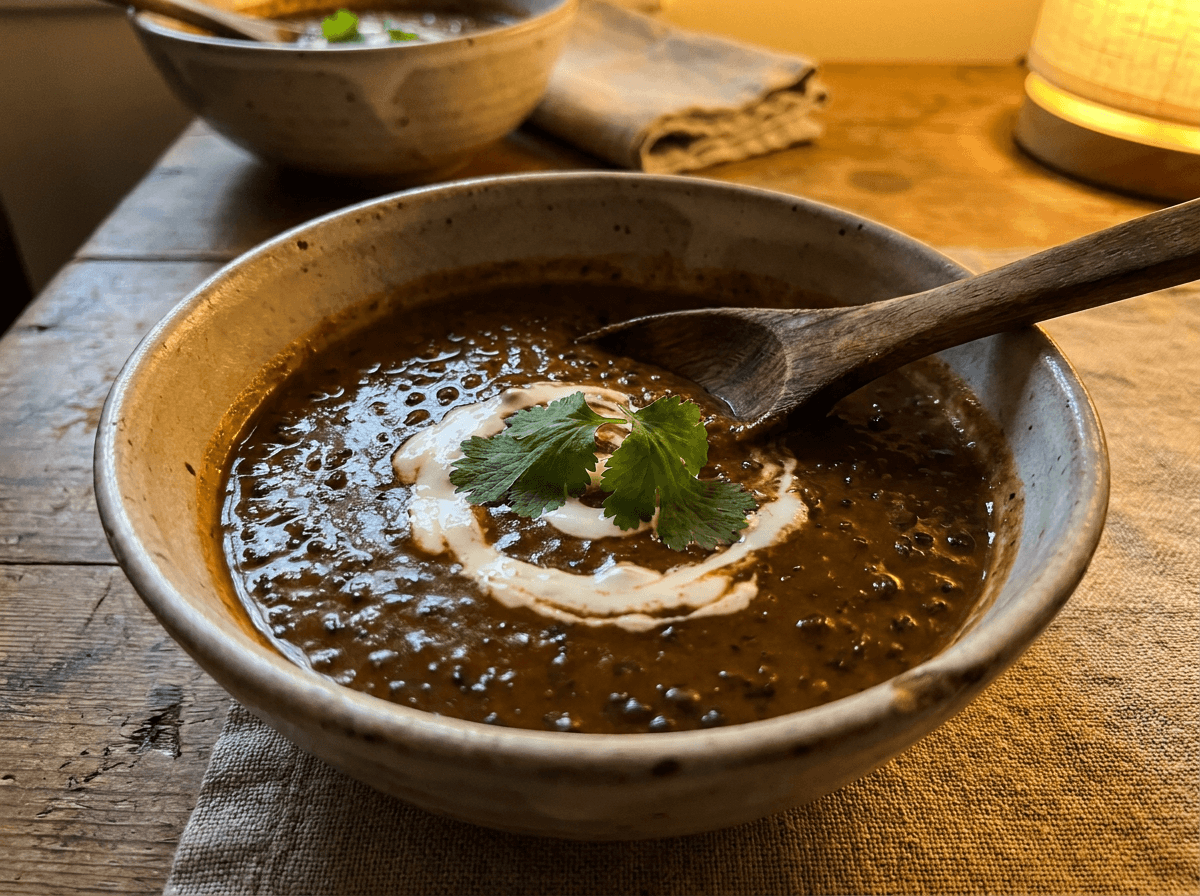
The slow-cooked depth of dal makhani, now achievable on a Tuesday night.
Dal makhani still asks for attention during the tadka and long simmer. For supported dal recipes, the Posha cooking system can manage timed ingredient additions, automatic stirring, and heat adjustments while the flavors develop. Prep and load the ingredients, start the recipe, and step away while Posha handles the active stovetop stages.
Tip: Protein tip: Dal makhani contains protein from black lentils and kidney beans, although the exact amount depends on the recipe and serving size.
3. Weeknight Chana Masala with a Twist
Chana masala is easy to underestimate because the lazy version is so common: open chickpeas, add sauce, call it dinner. The one that makes you excited to eat on a Wednesday is still weeknight-friendly, but it asks for two intentional moves. Neither is hard. Both change the outcome.
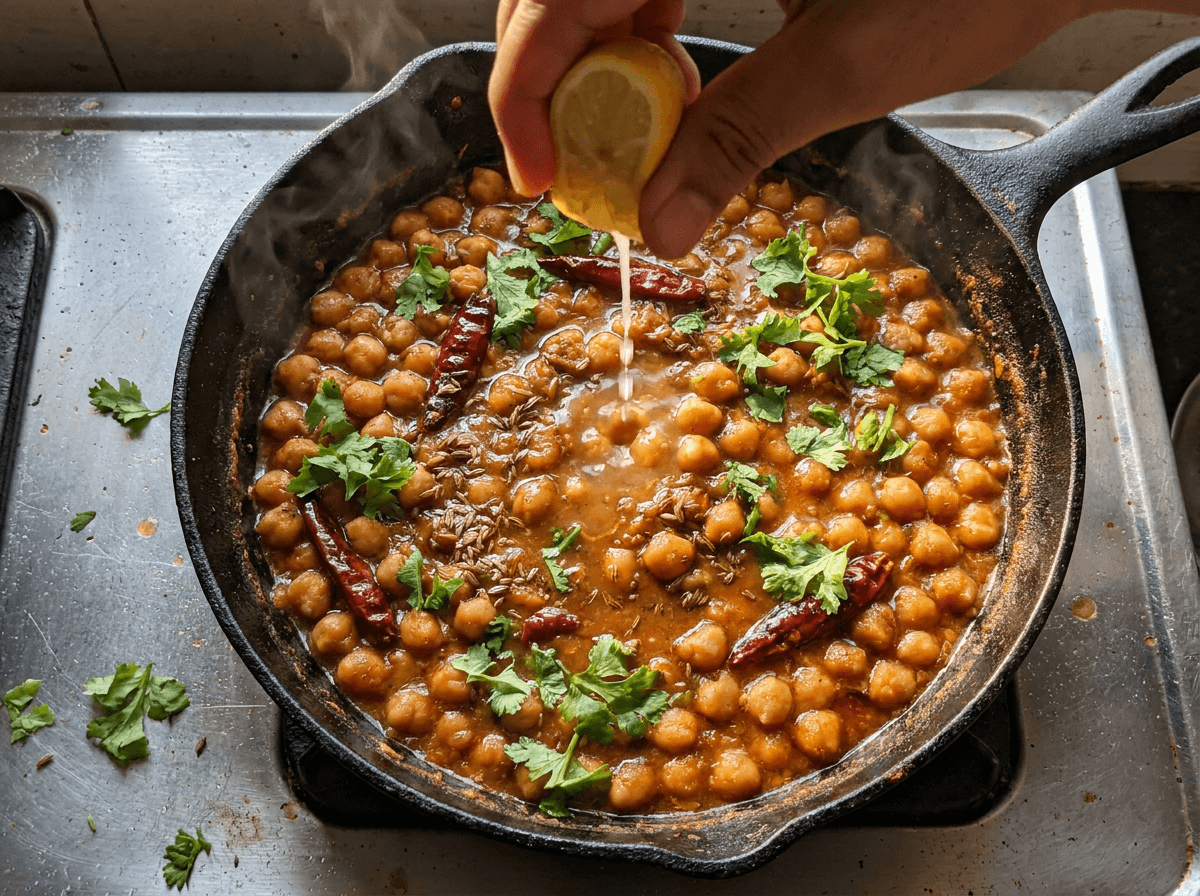
A proper tadka and one simple mashing trick transform canned chickpeas into something worth making on a Wednesday.
The Flavor Base: A Proper Tadka
Tadka is where a lot of Indian dishes either wake up or fall flat. Heat oil or ghee until it shimmers, add whole cumin seeds, and let them crackle. Then comes coriander, turmeric, and a pinch of red chili. It's a 60-second step, but it does the heavy lifting: spices blooming in hot fat perfume the whole dish instead of sitting there tasting dusty. Save garam masala for the end, right before serving, so it stays fragrant instead of fading into the background.
The Texture & Depth Boost
To make canned chickpeas taste like they had time, steal a little from the pot. Scoop out about a quarter of the chickpeas and mash them into the tomato-onion base. They dissolve into the gravy and thicken it naturally, giving you the body you'd normally chase with a longer simmer. Finish with a real squeeze of lemon and a handful of cilantro. That bright edge is the part people skip, and it's also the part that makes the whole pan taste sharper and more alive. If you want more weeknight Indian options built on the same ideas, these easy Indian dinners are worth bookmarking.
4. Deconstructed Samosa Bowls: All the Flavor, None of the Frying
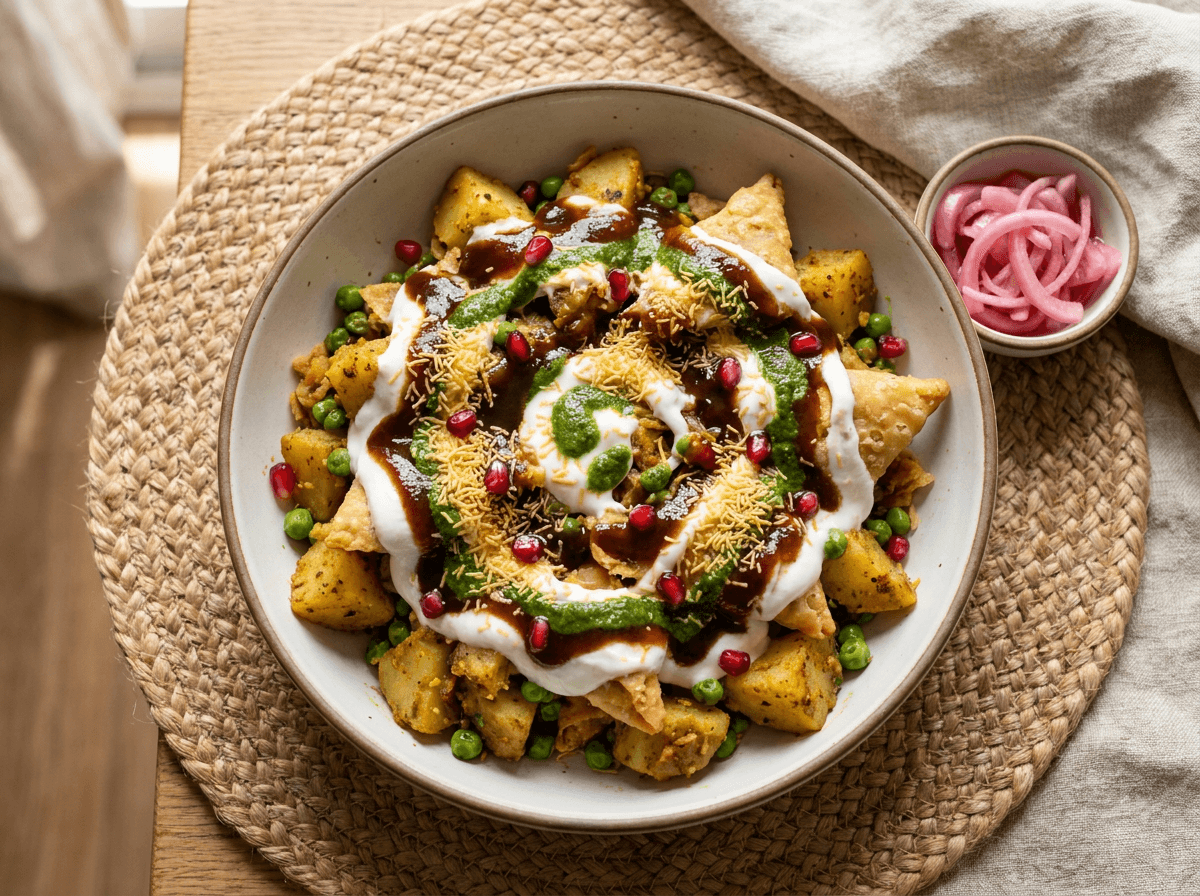
Street food flavor in bowl form - no deep fryer required.
If you love samosas but don't feel like dealing with a pot of oil on a Tuesday, this bowl keeps the good part and drops the mess. The spiced potato-and-pea filling is still the main event. Cook it as you would for samosas: cumin seeds, green chili, amchur (dry mango powder), and a pinch of garam masala folded into tender potatoes. The only twist is the format. No wrappers, no frying, just a warm spoonful straight into a bowl.
From there, it's all about the stack. Cool yogurt over the top. Tamarind chutney for sweet-sour depth, mint chutney for a bright green hit. Finish with sev or crushed papdi so you get crunch with every bite. The mix keeps moving: warm, tangy, crisp, herby. It can be a light dinner or a heavier one depending on how much you pile in. It's also a friendly way to get kids to try something new, because it looks like a build-your-own situation instead of "mystery curry."
5. Creamy (but Creamless) Tomato & Roasted Red Pepper Soup
Tomato soup tends to swing between two extremes: watery and sharp, or so cream-heavy it eats like a sauce. This version dodges both with one pantry shortcut that does a lot of work: jarred roasted red peppers.
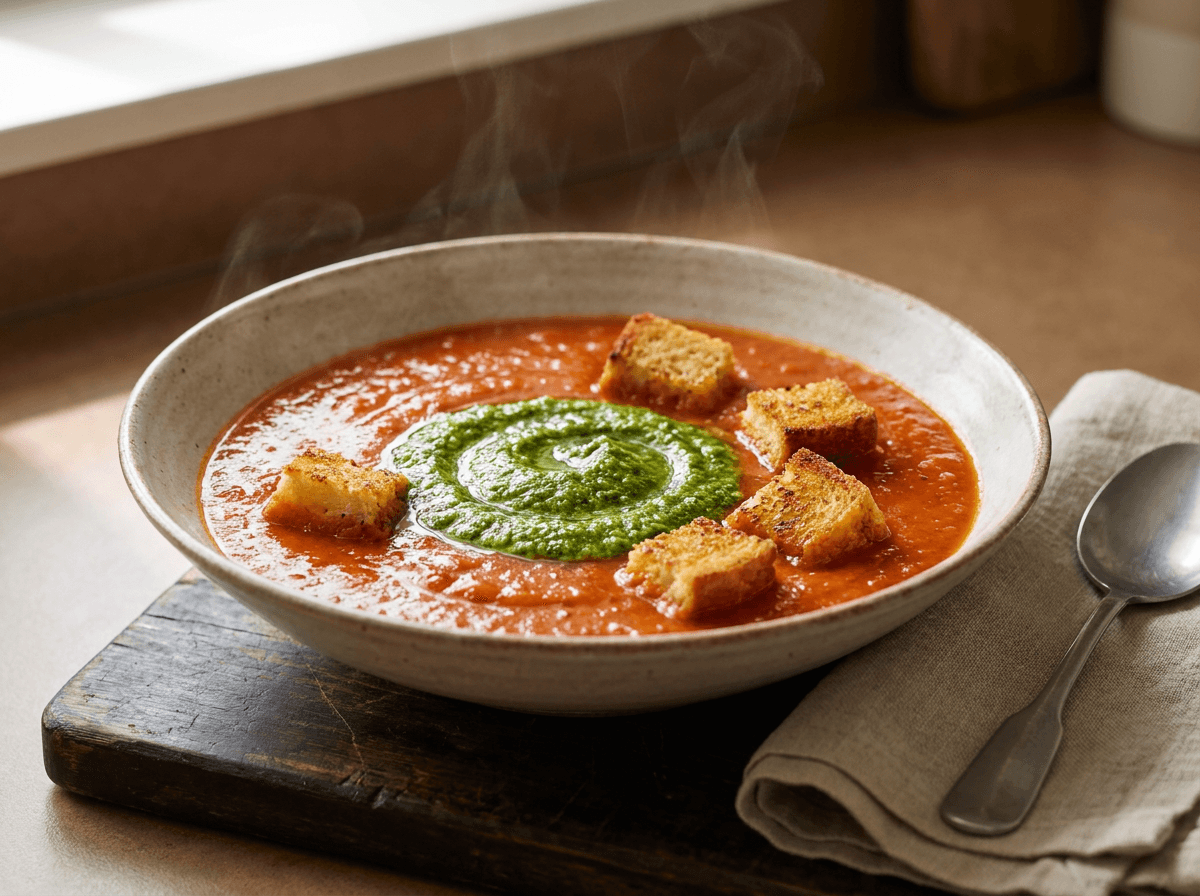
Roasted red peppers deliver silky body - no cream required.
Blend the roasted red peppers before cooking, then combine them with canned tomatoes, a sautéed onion, and a clove or two of garlic for a smooth base. For a supported soup recipe, the Posha cooking system can manage the simmer, adjust the heat, and stir while the flavors come together. The blending step remains separate.
If you want it to feel like dinner instead of a starter, add grilled cheese croutons. Cube a grilled cheese sandwich and float it on top. Or go the other direction with a spoonful of basil pesto for something more grown-up. Either way, this is an easy vegetarian dinner that reads like a restaurant bowl with about 10 minutes of active work. For the nights when even that sounds ambitious, these dinner ideas when you don't want to cook are a useful fallback list.
6. Hearty Mushroom & Walnut Bolognese: A Surprising Vegetarian Dinner Recipe
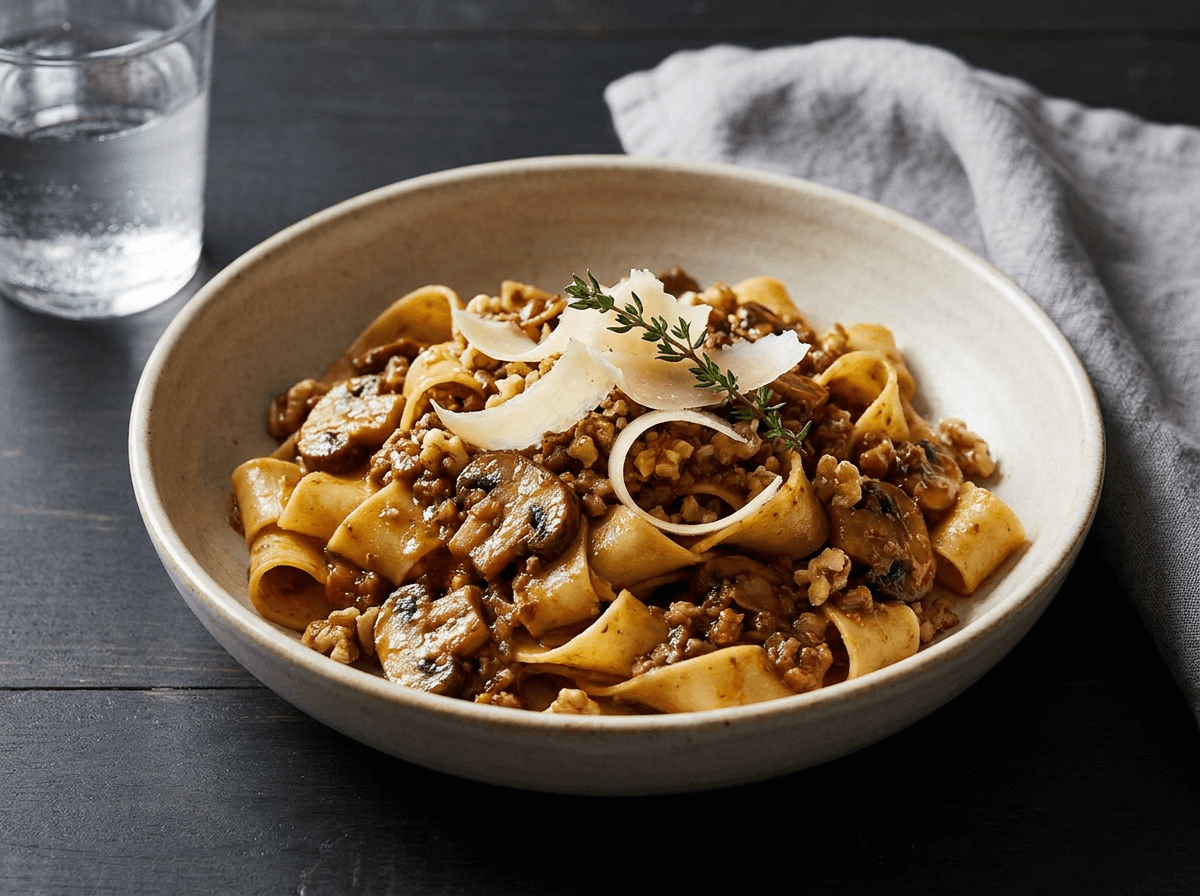
Finely chopped mushrooms and walnuts create a rich, meaty texture without the meat.
This is the one that wins over the skeptical table. Finely chopped cremini mushrooms and walnuts, browned the right way, turn deeply savory and pleasantly chewy, with the kind of umami that makes you stop missing meat. "The right way" matters here. Mushrooms have to give up their water before they can brown. Pack them into a cold pan, and they'll steam into a gray slump. Spread them out in a hot pan, and they caramelize, concentrating into something you actually want to eat by the forkful.
Once the mushrooms go golden, add the walnuts (pulsed in a food processor until they look like coarse ground meat), then build the sauce with crushed tomatoes, a splash of red wine if you have it, and a bay leaf. Let it simmer for 15 to 20 minutes. Toss it with a wide pasta like pappardelle or rigatoni so the sauce has something to cling to. Finish with parmesan, or nutritional yeast if you're keeping it vegan. Harvard Health notes that well-planned vegetarian diets can provide the nutrients people need when they include a varied mix of plant foods and, where appropriate, eggs or dairy. A sauce built around mushrooms and walnuts is one example of adding variety, texture, and nutrient-rich ingredients to a vegetarian meal.
The Verdict: Which Vegetarian Dinner Is Right for Your Wednesday?
These dinners all solve the same midweek problem in different ways: you're hungry, you're tired, and you can't do the same meal again. Pick based on what you want the night to feel like.
For slow-cooked comfort with less hands-on attention: The One-Pot Black Dal Makhani delivers the rich, deeply developed character associated with a long simmer.
For the fastest flavor-packed meal: Weeknight Chana Masala comes together conveniently when you start with canned chickpeas, and the tadka makes it taste as if it took longer.
For something healthy that feels indulgent: The Deconstructed Samosa Bowls hit every craving (crunchy, tangy, warm, spiced) without the deep fryer.
For impressing someone with minimal active time: The Mushroom & Walnut Bolognese feels gourmet but comes together with surprising ease once you nail the mushroom sear.
For a cozy, light night: The Tomato & Roasted Red Pepper Soup, especially with those grilled cheese croutons, is the weeknight equivalent of a warm blanket.
Cooking with love doesn't require perfection or a spotless kitchen. It looks more like choosing a dish you're actually excited about, then doing a few small things on purpose: bloom the spices, sear the mushrooms, let the pot simmer long enough to taste like itself. The Posha cooking system fits neatly into that rhythm by taking over the patience steps, watching the heat, stirring through a long simmer, and sensing when a sauce has reduced, so you can spend your attention where it pays off. That's how vegetarian dinners stop feeling like a chore and start feeling like a good part of the day.
Frequently Asked Questions
How do I make vegetarian dinners feel filling, not flimsy?
Prioritize protein and fat, then back it up with something starchy. Build around legumes (chickpeas, lentils, kidney beans), paneer, or nuts. Dal makhani combines protein-rich pulses with a satisfying starch, although the exact protein content depends on the ingredients and portion size. Adding a satisfying fat like ghee, avocado, or a handful of toasted walnuts helps the meal feel substantial instead of snacky.
What pantry staples make weeknight vegetarian dinners easier?
Keep a short list stocked, and most of these meals are always within reach: canned chickpeas, canned tomatoes, dried lentils (red and black urad dal), coconut milk, jarred roasted red peppers, basmati rice, whole spices (cumin seeds, coriander, turmeric, garam masala), onions, garlic, ginger, and a solid cooking oil or ghee. With those basics around, you have a strong starting point for putting together a weeknight vegetarian dinner without beginning from scratch.
Can I meal prep these recipes without ruining the texture?
Yes, and a few of them get better overnight. Dal makhani, chana masala, and the mushroom bolognese sauce deepen as the flavors meld, which makes them great for a Sunday batch. The palak paneer spinach base can be made ahead and refrigerated for up to three days (then sear fresh paneer when you reheat). The samosa bowl filling and the soup store well too. Just keep crunchy toppings (sev, croutons) separate until serving.
My family eats meat. How do I make these dinners work for them?
Aim for umami and texture, not "meat substitutes." The mushroom-walnut bolognese is built to satisfy meat-eaters with rich, savory depth. Dal makhani's creamy, smoky profile tends to win people over too. Serve everything with substantial sides (naan, rice, roasted potatoes) and bold extras (chutneys, pickles, lemon). When someone says they "need meat," they're often asking for flavor and fullness, and these dishes bring both.
Are these vegetarian dinner recipes actually healthy?
These meals can fit into a balanced vegetarian diet, but their nutritional value depends on the ingredients, portions, and sides. Across the six dishes, you get a mix of vegetables, pulses, dairy, and nuts.