Rohin Malhotra
It's 5:47 on a Tuesday in the first week of school. One kid still has cleats on, the other left a lunchbox at school again, and nobody wants to answer "what's for dinner?" The meal plan from two Sundays ago is still on the fridge, under a magnet, having survived exactly four days of use. Now you're at a red light, flipping between a delivery app and your own guilt. That is not a willpower problem. It is the physics of a school-night evening, and it wins a lot.
You can cook. There is probably an air fryer, slow cooker, or neglected Instant Pot in your kitchen to prove it. The trouble is the 40-minute stretch between everybody getting home and everybody unraveling; deciding dinner consumes half of it. This five-night framework is built for that version of the week: one night goes sideways, because one will. It covers the 6:30 deadline, a Monday-through-Friday rotation, dinner formats, picky eaters, dietary splits, and the questions already circling your head.
The 6:30 PM deadline nobody set, but everybody obeys
Pickup is 3:30 or 4:00. Then snack, homework, maybe practice until 5:30. An hour remains before hunger becomes tears, and that hour includes hands, forks, and a table. Cooking is not the real enemy. Decision fatigue is. After a full day of decisions, "what should we eat?" can feel absurdly expensive. A 2026 Talker Research survey found that parents of school-aged children spend about 12 hours a week on meal planning, grocery shopping, packing school lunches, and cooking. The mental load starts well before anyone turns on the stove.
That is why takeout wins: it settles the question. A workable school-year meal plan should do that too, without turning dinner into another takeout order and a pile of containers. Walk in at 5:15 knowing dinner's direction. Execution is plenty to ask.
What most school night dinner ideas get wrong
Search for family weeknight dinners, and you get lists of 50, 75, 100 recipes. A hundred options are still decision fatigue, just wearing an apron. More recipes are not the answer; fewer decisions are.
Meal-prep advice has a similar blind spot: the imaginary free Sunday afternoon. Soccer tryouts, parties, and groceries are already fighting for those hours. Even a successful prep session often expires by Wednesday, when the food is dull, somebody skipped the planned meal, and Thursday is back to improvisation. What works is a system that bends in real time, not one that demands five perfect days.
A school night dinner plan that survives the actual week
Use five themes rather than five locked recipes. Monday is bowls, Tuesday pasta, Wednesday one-pot, Thursday leftovers remixed, Friday flex. Know the category before the dish. Favor meals with limited active work, plus a no-real-cooking backup every night. The bad night is part of the design.
Monday: Protein + grain bowl night
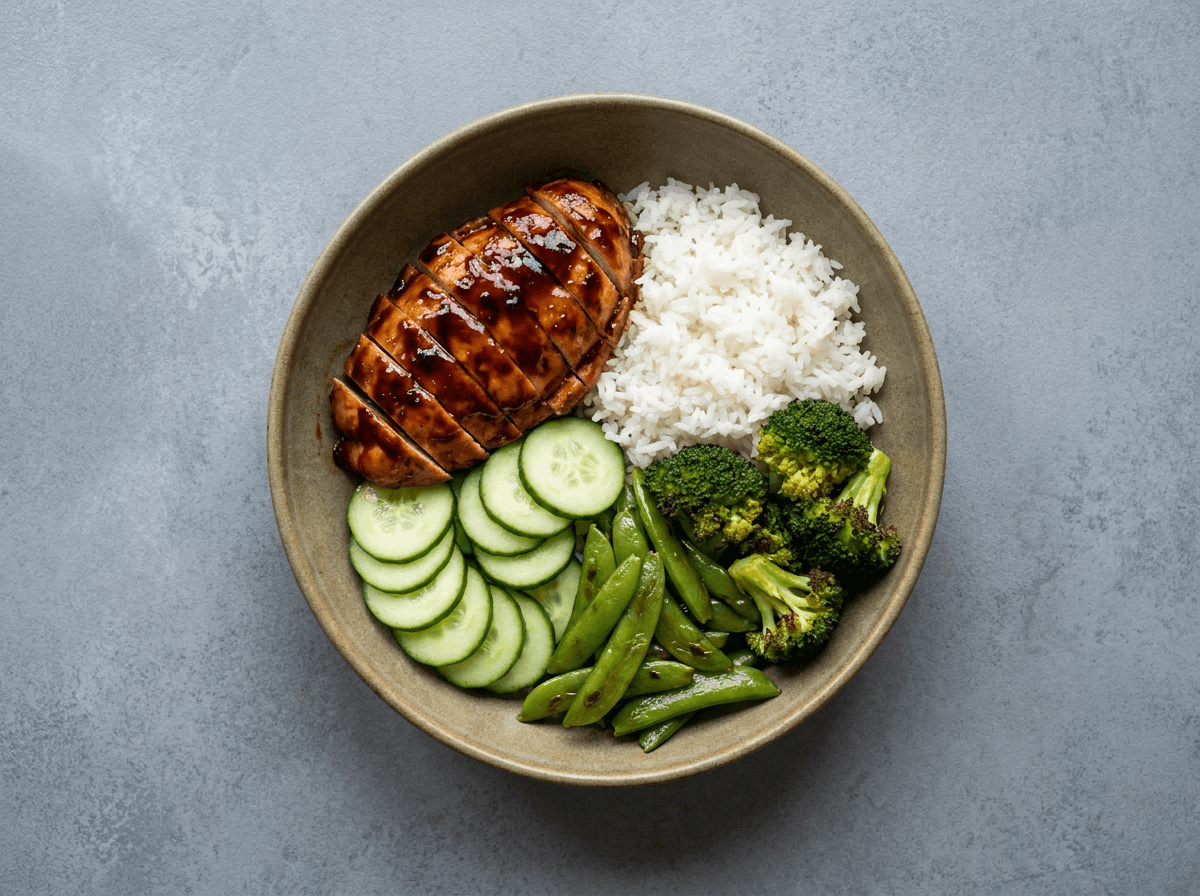
Make Monday an assembled meal, not a project. The weekend groceries are still fresh, and everyone has a little energy. Chicken teriyaki, rice, and the crisper-drawer vegetable keep the format simple. If you are using a supported Posha recipe, prep and load the ingredients, then let the appliance handle much of the active cooking while you assemble the rest of the bowl. Prep-Along Mode lets you prep and load upcoming ingredients in real time while Posha cooks the recipe.
Late pickup? Missing ingredient? Buy rotisserie chicken, microwave rice, and bottled teriyaki sauce. No shame.
Tuesday: Pasta night
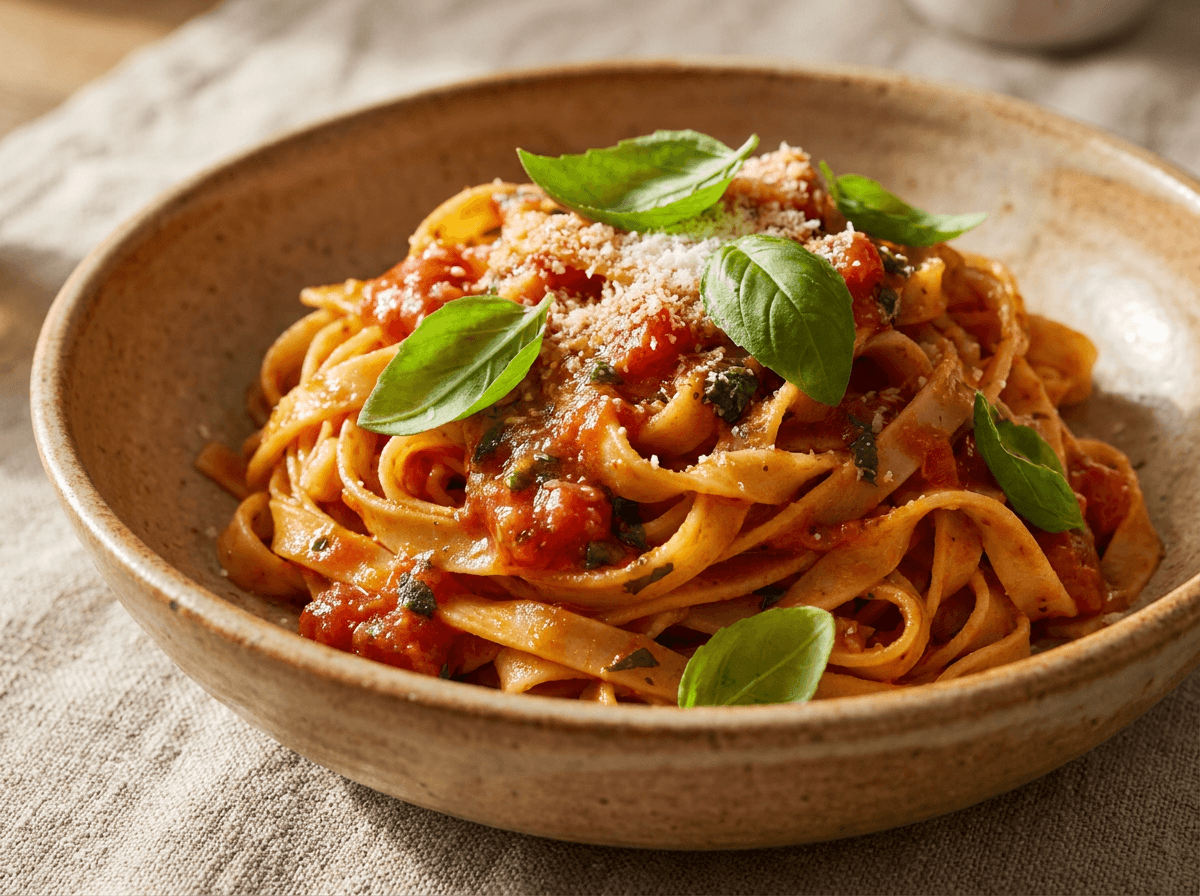
Pasta travels well with kids, and vegetables can disappear into the sauce. Tomato-basil sauce can still work on a busy Tuesday if you choose a version with limited active cooking and a short ingredient list. Add garlic, canned tomatoes, and basil, then let the sauce simmer while the rest of dinner comes together. Posha's easy dinner recipes collection has more options for this kind of night.
Wednesday: The wall (and how to plan for it)
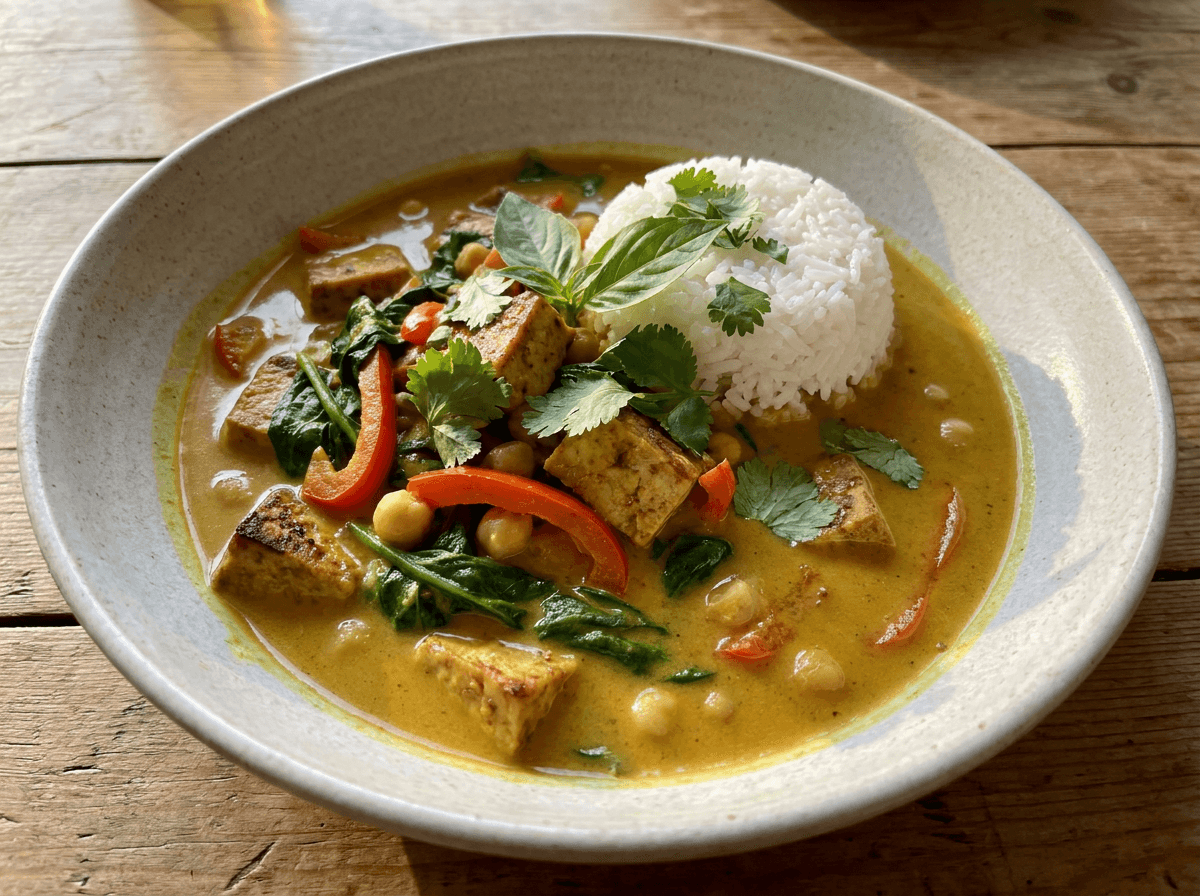
Wednesday is where meal plans go to die. Sunday prep is gone or unappealing, and the week's fatigue has arrived in full. Do not fight that. Make it one-pot night: soup, stew, or curry, everything together, then walk away. Coconut curry with tofu or chicken fits because it keeps the format simple and minimizes the number of things that need attention at once.
Tip: Wednesday's backup matters most: frozen dumplings and a bagged salad. You planned it. This is a contingency, not a collapse.
Thursday: Leftovers remix + one fresh thing
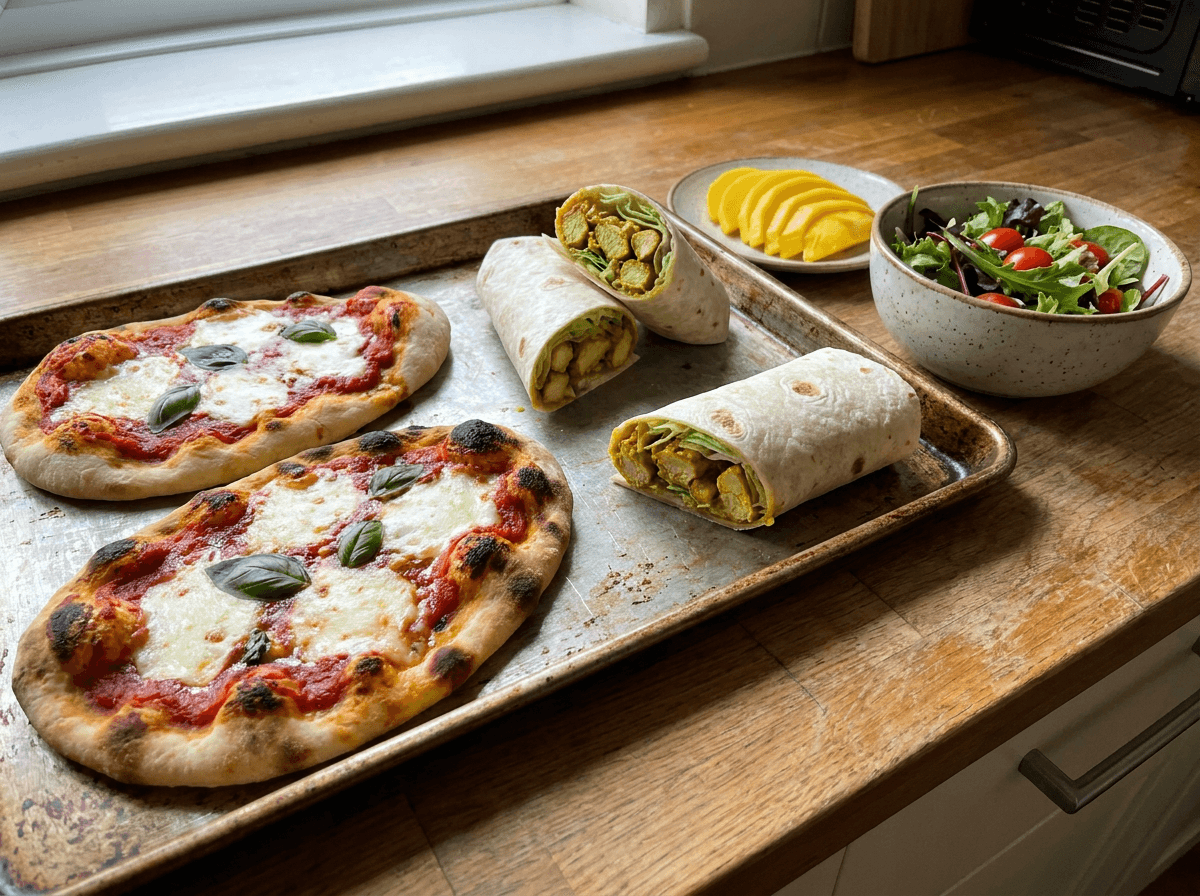
Tuesday's sauce becomes pizza sauce on store-bought naan. Wednesday's curry goes into wraps with shredded lettuce. Add one fresh thing (salad, fruit, or freezer garlic bread), so it does not feel like another meal from a plastic container. This is deliberately the week's lowest-effort night, even if it is not photogenic enough for Instagram.
Friday: Flex night
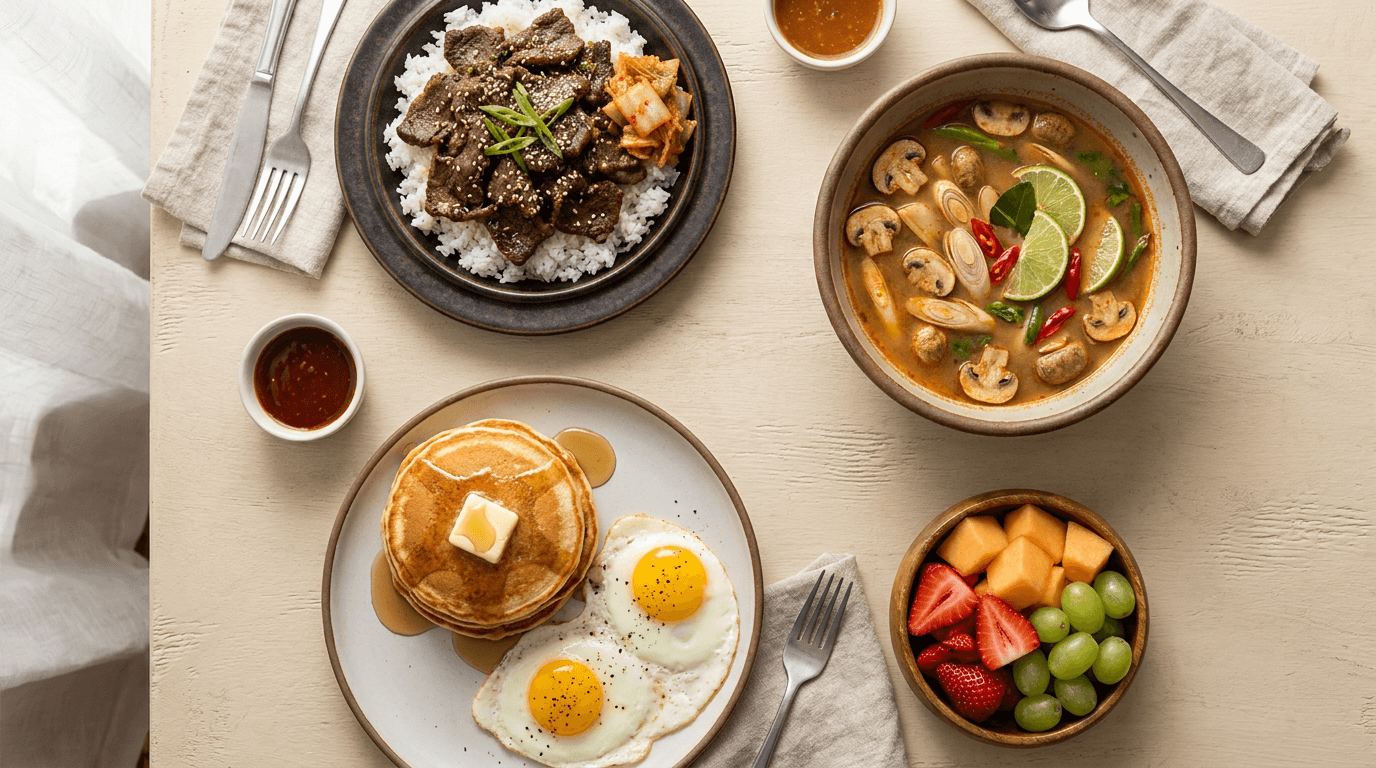
Friday can be takeout, breakfast for dinner, or something fun. Leaving it open keeps the system from feeling like a diet. Rigidity kills meal plans faster than laziness. Four cooked nights make takeout a reward, not a failure.
Theme nights vs. specific recipes: why the format matters more than the food
Theme planning absorbs chaos better than recipe planning. Forget mushrooms for a scheduled Chicken Marsala, and Tuesday is suddenly broken. On pasta night, make cacio e pepe from pantry staples instead. Themes work with the fridge and the sale rack; no meal depends on the one thing you forgot.
The Food Industry Association reports that family meals are associated with better diets and improved family connectedness. Consistency matters more than format. A 2025 Parents magazine survey found 82% of families prioritize family dinner, though plenty of those dinners happen under stress. Themes cut the decision tree before 5 PM.
Approach | Decision load at 5 PM | Hands-on demand | Flexibility when plans change | Grocery or cost model | Flavor and variety ceiling |
|---|---|---|---|---|---|
Recipe-based meal plan | Low if followed | Often requires close attention | Very low; one missing ingredient can break it | Standard grocery purchase | High, but needs skill and time |
Theme-night planning | Very low | Varies by dish | High; swap within the theme | Standard grocery purchase | Medium-high; depends on pantry |
Meal kit service | Low; the box narrows choices | You still prep and cook | Low; substitutions depend on what arrives | Subscription or per-meal pricing | High; curated variety |
Posha-assisted cooking | Low; browse by theme or time | Lower after ingredient prep and loading | Varies by supported recipe and available substitutions | Uses your groceries | Depends on the supported recipe library; manages heat, stirring, timing, and cooking stages |
How Posha actually fits into a school night
A Tuesday with Posha might look like this. At 5:15 PM, open the app and choose a quick pasta recipe such as Spaghetti Alfredo With Mushrooms and choose Spaghetti Alfredo with Mushrooms. Posha shows you what to pull out: pasta, cream, garlic, Parmesan, and mushrooms.
At 5:25, Prep-Along Mode lets you prep and load upcoming ingredients in real time while Posha cooks the recipe. That can free you to slice bread, set the table, or help with homework instead of watching the pot continuously.
Once the ingredients are loaded, Posha can handle much of the active cooking for supported recipes. The current Spaghetti Alfredo With Mushrooms recipe lists 37 minutes for cooking it yourself, while the Posha version lists about 4 minutes of ingredient prep before Posha takes over the active cooking steps. The same kind of multi-step pasta made on the stovetop can require more hands-on attention for stirring, heat adjustments, and checking doneness.
Quick family dinners that actually taste as you tried
Quick family dinners can still fall flat when speed strips out flavor, then kids push food around their plates, and the effort feels wasted. Posha's Culinary AI manages heat, stirring, ingredient timing, and cooking stages so multi-step dishes can build flavor without constant stovetop attention.
A few weeknight-friendly options:
Beef Bulgogi: A savory-sweet option with a soy-ginger profile that brings variety to the usual weeknight rotation.
Tom Yum Soup: A bright, aromatic soup that works when you want something fast without defaulting to another pasta or bowl night.
Palak Paneer: A creamy, deeply spiced option that shows how more involved weeknight-friendly Indian dinners can still fit into a school-night routine.
Fast does not have to mean compromised. The American Heart Association's 2022 survey found 91% of parents notice less stress when their families share meals. Good food gives people a reason to stay at the table.
The grocery run that makes all of this possible
Themes need a pantry that can improvise: plan one weekend grocery trip and, if needed, a quick midweek produce top-up. Stock quick-cooking staples, and invite kids to help with simple prep. Keep these categories stocked:
Proteins: 2 fresh (chicken thighs, ground turkey or tofu), 1 frozen backup (shrimp or dumplings)
Starches: Pasta, rice, tortillas, naan
Sauces and bases: Soy sauce, canned tomatoes, coconut milk, stock (chicken or vegetable)
Fresh vegetables: Seasonal produce, plus one frozen bag (broccoli or stir-fry mix)
Emergency shelf: Eggs, cheese, butter, garlic, onions
Already have a pantry system that works? Skip to the FAQ. Otherwise, this list covers the rotation without specialty ingredients.
Edge cases: picky eaters, dietary splits, and the night everything goes wrong
"My kid only eats plain noodles." Fine. On pasta night, serve plain noodles to the kid and sauce to the adults. On bowl night, put toppings out buffet-style. The format avoids two separate meals.
For supported recipes, Posha can help simplify some dietary splits by allowing ingredient changes based on dietary preferences or what you have, with the cooking flow adjusted accordingly. For serious allergies, review each recipe’s ingredients and available dietary options carefully before choosing it rather than trying to adapt dinner at the last minute.
When the plan breaks (and it will)
It is Wednesday. Practice ran late, the chicken is frozen, and the 8-year-old is crying over fractions. This is what the plan is built to absorb: frozen dumplings, quesadillas with cheese and tortillas, or scrambled eggs and toast. They are contingencies, not failures. The dinner ideas for when you don't want to cook collection has more options for this exact moment.
A plan succeeds or fails on the nights you cannot execute it. One that works only on good nights is a wish.
Info: Gluten-free, dairy-free, or nut-free households can keep the theme system. Narrow recipes within each theme instead of rebuilding the plan. Posha's recipe filters can make it easier to narrow options by dietary needs before cooking begins.
Frequently asked questions
How many nights a week do I realistically need to cook to make a school year meal plan work?
Three or four. Cook Monday through Wednesday, remix leftovers Thursday, and leave Friday open: three real cooking nights, one assembly night, one night off. In FMI’s 2022 U.S. Grocery Shopper Trends: Future Outlook research, 74% of respondents said it took them less than an hour to prepare their meals, while 30% said it took less than 30 minutes. Cook enough that off nights feel intentional, not desperate.
Are 30-minute family dinners actually possible on a school night, or is that just marketing?
Yes, but total time and active time are different things. Stovetop cooking can demand repeated stirring, adjusting, and watching even when the recipe itself takes only 30 minutes. Appliances that automate those steps can reduce active attention. With supported Posha recipes, the appliance manages temperature, stirring, timing, and cooking stages, which can leave more of that time free for homework, setting the table, or other evening tasks.
What's the difference between Posha and a meal kit service for back-to-school dinners?
Meal kits reduce meal-selection and shopping decisions, but you still prepare and cook the meal yourself, and substitutions can be limited by what arrives in the box. Posha uses groceries you buy yourself and lets you browse supported recipes by factors such as cook time, cuisine, and dietary preferences. After ingredient prep and loading, it can handle much of the active cooking within those supported recipes. If mushrooms are suddenly unacceptable, you can choose another supported option that better fits the household.
Can I use Posha if my family has multiple dietary restrictions?
For many dietary needs, yes. Use the available dietary preferences and recipe information to narrow down options that fit your household’s needs before choosing a recipe. For supported recipes, ingredient options can be adjusted based on dietary preferences, with the cooking flow updated accordingly. Healthy dinner ideas include recipes for common restrictions.
What do I do when my dinner plan falls apart mid-week?
Use the backup you planned: frozen dumplings, quesadillas, or scrambled eggs and toast. A broken night should not break the week. Wednesday's backup matters most because midweek fatigue is predictable.