Rohin Malhotra
Weeknight dinners do not usually become calorie-heavy because of one dramatic ingredient. The extra calories tend to accumulate quietly: another pour of oil, a cream-based sauce, a generous handful of cheese, or a side that adds richness without adding much to the meal itself.
The best easy lower-calorie meals use calories strategically. They create volume with vegetables, beans, broth, and lean proteins, then rely on browning, aromatics, herbs, acid, and concentrated finishing ingredients for the flavor that makes dinner feel complete.
The five dinners below put that idea into practice, from a fast weeknight skillet to a plate worthy of date night at home. Exact calorie totals depend on ingredient quantities and serving sizes, so these are best treated as lighter, calorie-conscious meal ideas rather than meals with a fixed low-calorie designation:
Shrimp Fra Diavolo with Zucchini Ribbons
Brothy White Bean and Greens Soup
Chicken Piccata with Roasted Broccolini
Chicken Cacciatore
Seared Scallops with Parmesan Risotto
Where Calories Matter Most in a Weeknight Dinner
Lower-calorie cooking becomes much easier when every ingredient has a job. Some ingredients provide the bulk of the meal, while others deliver concentrated flavor. The trick is knowing which should do which.
Vegetables, beans, broth, and lean proteins can make a plate feel substantial without requiring a heavy sauce or large amount of added fat. Harvard Health recommends building lower-calorie meals around nutrient-dense foods such as vegetables, lean proteins, seafood, and legumes, which provide nutrients without excessive calories. Browning and roasting create savory depth before anything rich is added. Garlic, ginger, spices, fresh herbs, citrus, vinegar, and chile can then push flavor further with relatively little impact on the overall meal.
Richer ingredients still belong at dinner. They simply work harder when used deliberately. A little Parmesan over soup, a measured spoonful of olive oil on roasted vegetables, or butter used to finish a pan sauce can contribute more than adding richness at every stage of cooking.
That is the approach behind the recipes below: build the meal generously, develop flavor through cooking, then spend the richest ingredients where they will be noticed most.
Technique matters because food rarely cooks the same way every time. Ingredient size, moisture, heat, and timing can all change what happens in the pan. That same need for active monitoring is part of what Posha is designed to automate. For supported recipes, its cooking system monitors cooking stages, manages heat and stirring, and moves the recipe from one stage to the next.
That adaptive approach is powered by Posha's Culinary AI. It is designed to account for differences such as ingredient size, volume, and prep style, then follow changes in food as it cooks. Rather than relying only on a fixed timer, Posha's system is designed to use information about the food and cooking stage to determine when supported recipes should move forward.
Meal Concept | Best For | Approx. Cook Time | Key Flavor Profile |
|---|---|---|---|
Shrimp Fra Diavolo with Zucchini Ribbons | Fast weeknights and bold flavor without pasta | 25 minutes | Spicy, garlicky, bright tomato |
Brothy White Bean and Greens Soup | Vegetable-heavy dinners and meal prep | 30 minutes | Rustic, herby, deeply savory |
Chicken Piccata with Roasted Broccolini | Calorie-conscious family dinners with bright, tangy flavor | 35 minutes | Bright, lemony, briny, savory |
Chicken Cacciatore | A hearty one-pan dinner with Italian-style depth | 45 minutes | Savory, herby, rich tomato |
Seared Scallops with Parmesan Risotto | Date night or a special dinner with measured portions | 35 minutes | Luxurious, briny, creamy |
1. Shrimp Fra Diavolo with Zucchini Ribbons
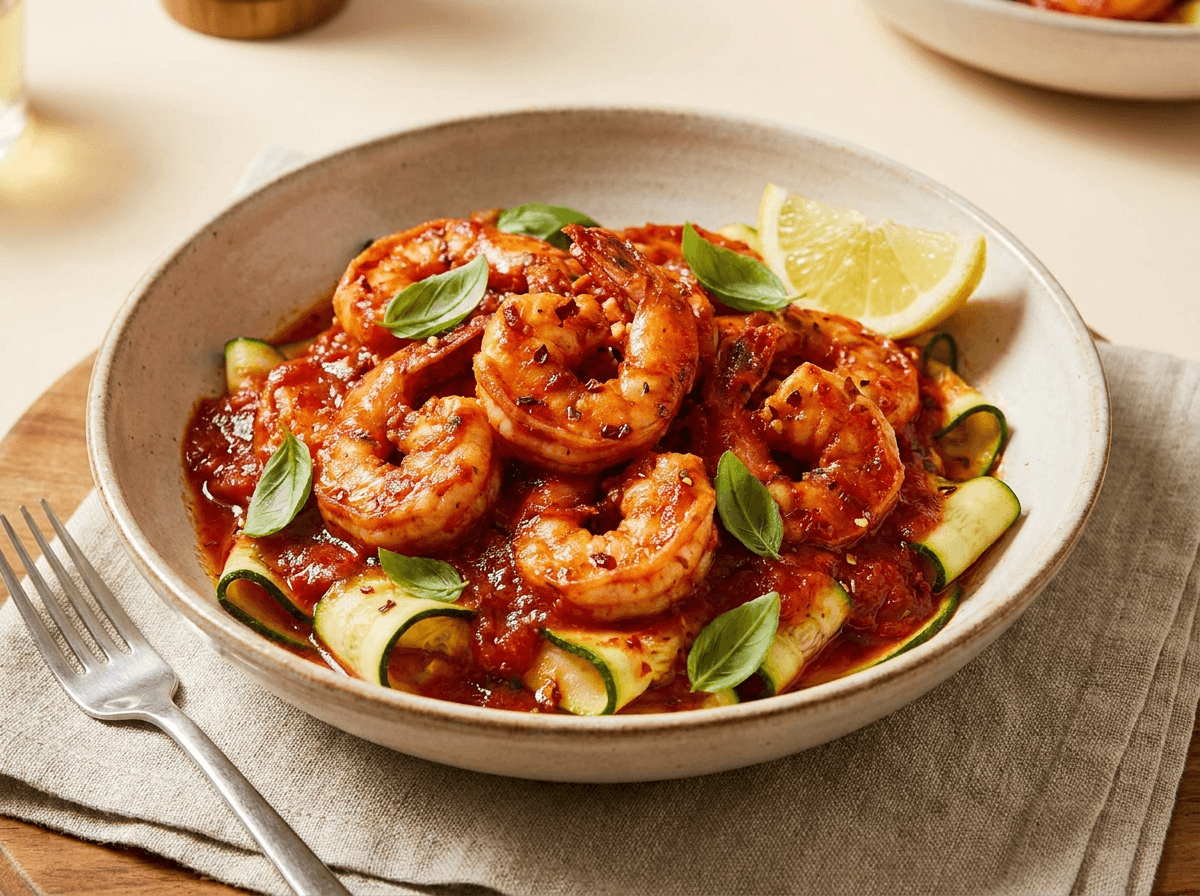
Spicy tomato sauce, tender shrimp, and zucchini ribbons standing in for pasta without apology.
This is a good option when you want bold, restaurant-style flavor while keeping richer ingredients such as oil and pasta portions in check. Fra diavolo is a spicy Italian-American tomato sauce, and it clings to shrimp and zucchini ribbons with the same satisfying intensity it would bring to a plate of linguine. With measured portions of oil and other calorie-dense ingredients, this can be prepared as a lighter shrimp dinner in about 25 minutes from a single skillet.
The sauce is built fast: olive oil, thinly sliced garlic, and red pepper flakes go into a hot pan until fragrant, then crushed San Marzano tomatoes go in and simmer for 10 minutes until slightly thickened. Large shrimp, patted dry and seasoned, cook directly in the sauce for two to three minutes per side. The FDA recommends cooking most seafood to an internal temperature of 145°F, while shrimp and scallops should also appear firm, pearly, and opaque. Zucchini ribbons, made with a vegetable peeler or a mandoline, go in at the very end. They need only 60 to 90 seconds of heat to soften just enough to carry the sauce without turning to mush. A handful of fresh basil and a squeeze of lemon finish the bowl. It belongs among the better easy dinner recipes for nights when bold flavor is nonnegotiable.
Tip: Use a vegetable peeler to make zucchini ribbons quickly. Run it lengthwise along the zucchini, rotating as you go, and stop when you reach the seedy core. The ribbons wilt gently in the sauce rather than releasing excess water the way zucchini noodles cut thicker tend to do.
2. Brothy White Bean and Greens Soup
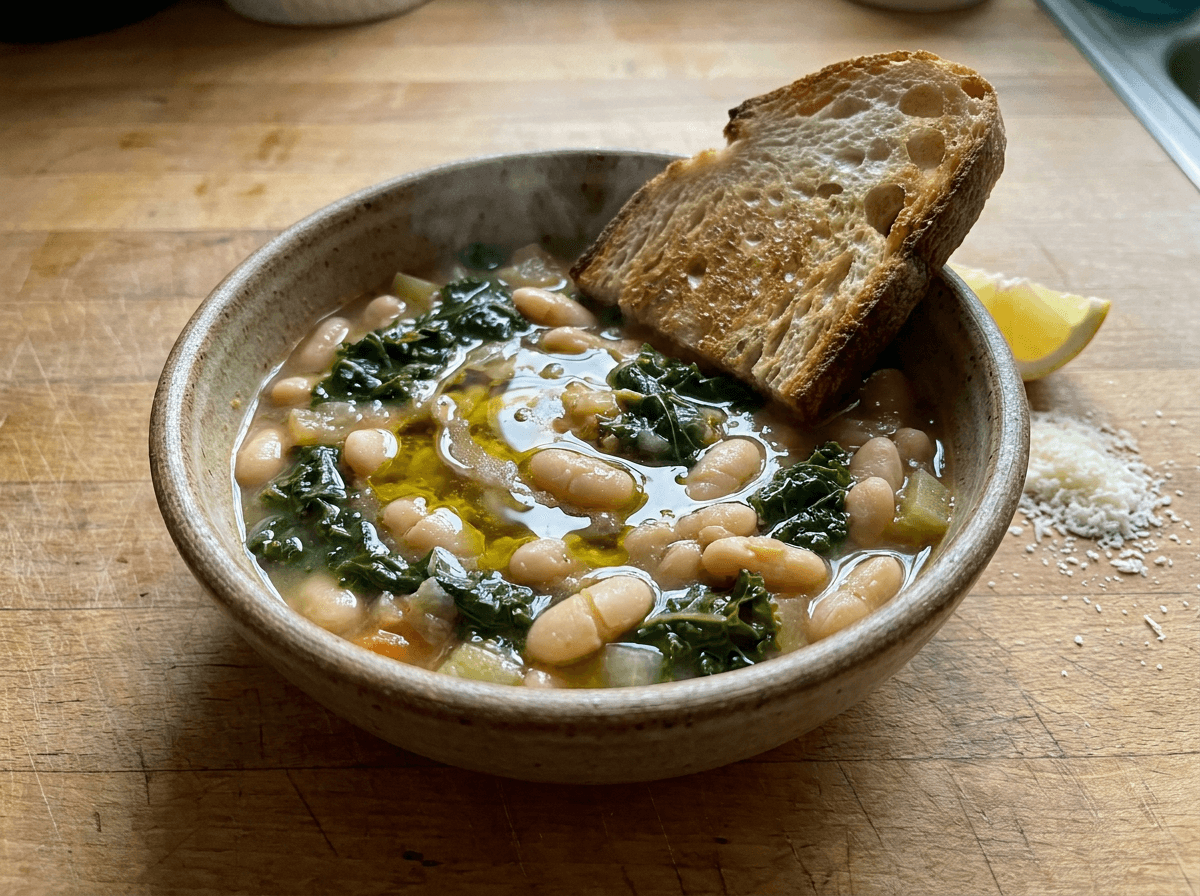
Cannellini beans and dark leafy greens make this lighter soup feel substantial enough for dinner.
Soup gets unfairly dismissed as diet food, especially when vegetables are involved. This version deserves a seat at the table. Cannellini beans bring protein and fiber. A systematic review and meta-analysis of controlled trials found that dietary pulses such as beans, peas, chickpeas, and lentils increased short-term satiety compared with isocaloric control meals, although the review did not find a significant reduction in food intake at the next meal. Kale or escarole adds volume and nutrients, and good chicken or vegetable stock gives the pot a flavor foundation before anything else happens.
"Begin with a measured amount of olive oil in a Dutch oven, then soften diced onion, a full head of sliced garlic, and a bay leaf. Let the onion turn translucent, with a little gold around the edges. That slow start makes a base no late shower of seasoning can fake. Add stock, beans, and greens and simmer for 15 minutes. Lemon juice and grated Parmesan at the end make it rustic, nourishing, and satisfying rather than merely healthy. With the olive oil and Parmesan measured carefully, this can be a satisfying lighter dinner. It also fits naturally alongside Posha's healthy dinner ideas for weeknight inspiration.
3. Chicken Piccata with Roasted Broccolini
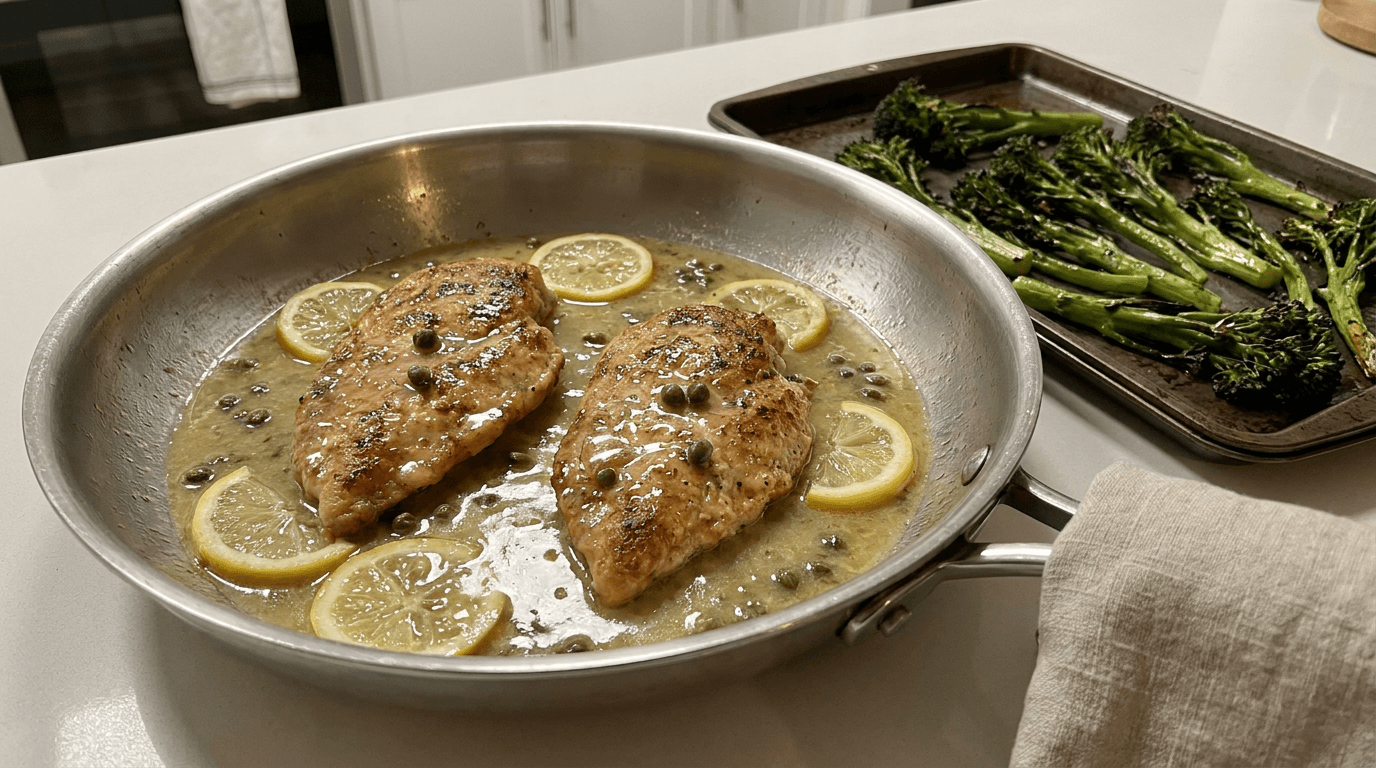
A pan sauce built on lemon, capers, and chicken stock does more flavor work than butter ever could alone.
Chicken piccata works well as a calorie-conscious dinner because the dish does not rely on richness to taste indulgent. The pan sauce, built from lemon juice, capers, white wine, chicken stock, and a small amount of butter whisked in at the end, delivers sharp, briny, savory flavor without relying on a heavy cream-based sauce. Using a modest amount of butter and oil keeps the sauce relatively light, and the whole meal can be on the table in about 35 minutes.
Thin chicken breast cutlets are the move here. Pound them to an even half-inch thickness so they cook through in about three minutes per side without drying out. Season with salt and pepper, dredge lightly in flour, and sear in a hot pan with a little olive oil until golden. Pull the chicken and build the sauce in the same pan: white wine first to deglaze, then chicken stock, lemon juice, and capers. Simmer until slightly reduced, swirl in a small knob of butter, and return the chicken to coat. While the sauce comes together, the broccolini roasts at 425 degrees in a separate pan. Toss it with olive oil and a pinch of red pepper flakes. It needs 12 to 15 minutes until the tips char and the stalks are tender. That char is the point; it gives the plate a slightly bitter, smoky edge that cuts through the bright sauce beautifully.
It also fits naturally alongside Posha's ideas for healthy home-cooked meals for busy families, especially when you want a familiar chicken dinner with a brighter pan sauce. The lemon-caper sauce is familiar enough for weeknight rotation, and the roasted broccolini requires almost no attention while the chicken comes together on the stovetop.
4. Chicken Cacciatore
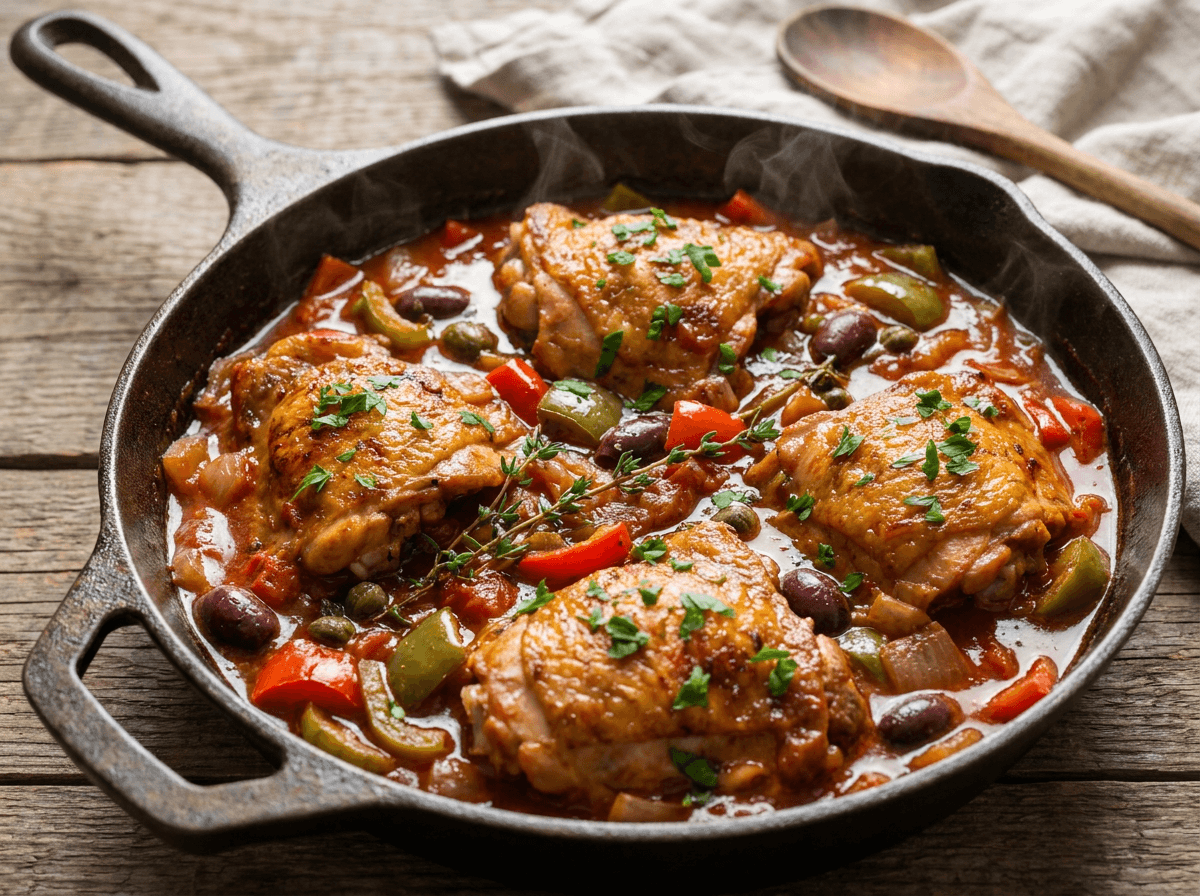
Hunter-style chicken cacciatore is a hearty, protein-rich Italian one-pan braise that can still fit a lighter dinner.
Chicken cacciatore is a hunter-style Italian braise built around browned chicken, tomatoes, peppers, herbs, and a slow simmer. Bone-in chicken thighs work especially well because they stay tender as the sauce reduces and the flavors deepen. Chicken cacciatore can be a protein-rich dinner, but its calorie and protein totals will depend on the cut of chicken, amount of oil, serving size, and any sides.
The dish gets most of its character from cooking in stages. First, the chicken is browned to create a deeply savory base. Then onions, peppers, and garlic soften in the same pan, picking up the browned bits left behind. Tomatoes, wine, stock, olives, capers, and herbs turn that foundation into a rich but relatively light braising sauce.
From Browning to Aromatics
Heat a large, heavy-bottomed skillet or Dutch oven over medium-high heat with a small amount of olive oil. Season the chicken thighs with salt and pepper, then sear them until well browned on both sides. Transfer the chicken to a plate.
Lower the heat slightly and add sliced onion and bell peppers to the same pan. Cook until softened, scraping up the browned bits as they release from the bottom. Add garlic and cook briefly, just until fragrant.
The Braising Stage
Add crushed tomatoes, white wine, chicken stock, pitted olives, capers, fresh thyme, and a bay leaf. Stir well, then return the chicken thighs to the pan.
Bring the sauce to a gentle simmer, reduce the heat, and cover partially. Cook for about 30 minutes, or until the chicken is tender and reaches a safe internal temperature of 165°F (74°C) at the thickest part, and the sauce has thickened slightly. Stir occasionally and adjust the heat as needed so the sauce simmers gently rather than boiling aggressively.
Finish with fresh parsley and a squeeze of lemon if the sauce needs brightness. Serve with a modest portion of polenta, crusty bread, or simply roasted vegetables if you want to keep the meal lighter.
5. Seared Scallops with Parmesan Risotto
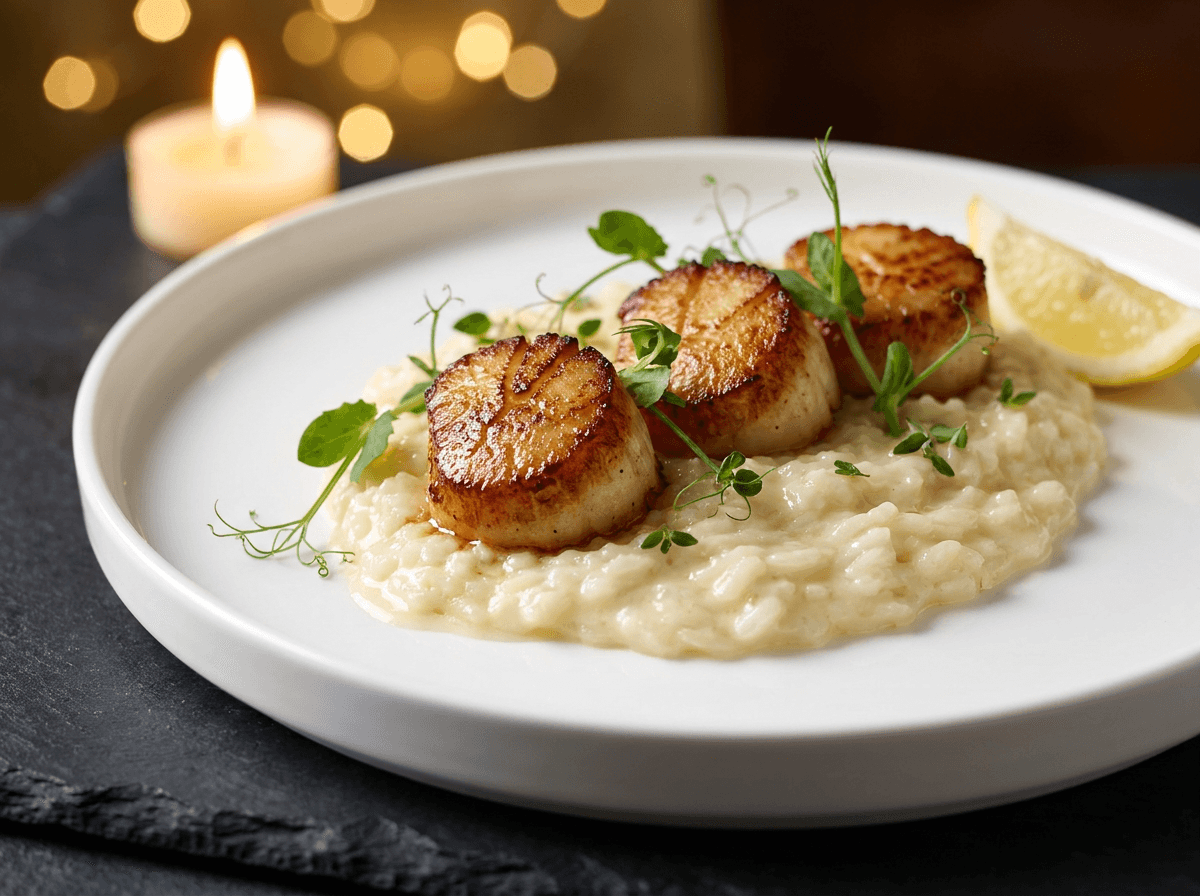
Restaurant-style presentation without relying on heavy cream or excessive added fat — technique does the heavy lifting
If cacciatore is the dependable weeknight workhorse, this is the Friday-night payoff. Seared scallops with Parmesan risotto feels special enough for a weekend or date-night dinner, while measured portions of Parmesan, butter, and oil can keep the dish lighter than many richer restaurant-style preparations. Allow about 35 minutes once your ingredients are ready. Scallops offer lean, high-quality protein. Risotto gets creamy through the gradual release of starch as it is stirred, not through heavy cream or heaps of butter.
This is the most hands-on dinner on the list, but the technique is straightforward once you have everything measured and ready. Traditional risotto usually calls for frequent stirring while warm stock is added gradually over roughly 20 minutes. Scallops need a very hot, dry pan and typically only a short sear on each side. Exact timing will vary with their size, starting temperature, and your pan, so look for a deeply golden crust and firm, opaque flesh. Dry them thoroughly, put them down, and leave them alone. The golden crust is the reason to make them. Lemon over the finished plate joins the richness of the risotto to the scallops' clean, briny edge. For a collection of high-protein meals that feel like an occasion, this deserves a permanent place.
Note: Frozen scallops work well if thawed overnight in the refrigerator and dried thoroughly with paper towels before searing. Moisture is the enemy of a good crust.
Dinner Does Not Have to Be a Compromise
None of these meals work by simply stripping ingredients away. Shrimp fra diavolo gets its impact from a spicy tomato sauce and properly cooked shrimp. The white bean soup depends on good broth, aromatics, and a bright finish. Chicken piccata gets its character from lemon, capers, and pan browning, while chicken cacciatore builds depth through searing, slow braising, and a well-developed tomato sauce. Scallops and risotto rely on timing, heat control, and technique to make a relatively simple ingredient list feel special.
That is the bigger lesson behind lower-calorie cooking. Flavor often comes from what happens during cooking, not from piling on more butter, cream, cheese, or oil. Browning, reducing, roasting, simmering, stirring, and finishing with acid or herbs can do much of the work.
The common thread across these dinners is attention. Browning needs watching. Sauces change as they reduce. Vegetables move quickly from crisp to soft. Risotto asks for stirring and gradual adjustment. Good cooking is full of small decisions that happen between the written recipe and the finished plate.
That is the part of cooking Posha is designed to help automate. Across supported recipes, its camera, sensors, and cooking system monitor progress and manage actions such as heat, stirring, ingredient timing, and cooking-stage transitions.
You still choose what sounds good—whether from the broader Posha recipe catalog or your existing rotation—prepare and load the required ingredients, and decide what belongs on your plate. For supported recipes, Posha is designed to reduce how much active monitoring you need to do at the stove after the ingredients have been prepared and loaded.
Good home cooking still comes down to care. Posha is designed to bring more of that care into the cooking itself.
Frequently Asked Questions
How do I make low-calorie meals filling enough for dinner?
Start with protein and fiber. Legumes, lean meat, eggs, and Greek yogurt are filling, while vegetables add plenty of volume without many calories. Browning, a flavorful broth, and a final hit of lemon juice or vinegar make the meal taste complete rather than restrained.
What are good high-protein, calorie-conscious dinner ideas?
Shrimp fra diavolo with zucchini ribbons, chicken cacciatore, seared scallops with risotto, chicken piccata with roasted broccolini, and white bean soup can all fit a calorie-conscious dinner, depending on ingredient quantities and portion sizes. Several of these meals can provide substantial protein while remaining relatively calorie-conscious, depending on the final ingredients and portion sizes. Exact protein and calorie totals will vary with ingredient quantities, serving sizes, and any sides you add. Legumes and seafood are particularly useful because they deliver protein without driving up the calorie count.
Can these low-calorie dinners be meal prepped?
Yes, although they do not all behave the same way as leftovers. Chicken cacciatore can be refrigerated for three to four days at 40°F or below, according to USDA guidance, making it one of the better options here for meal prep. White bean and greens soup also holds well. Chicken piccata is best fresh, but the sauce and chicken reheat reasonably well separately. For shrimp fra diavolo, store the sauce separately and cook fresh shrimp and zucchini ribbons the night you plan to eat it; shrimp toughens on reheating and zucchini ribbons do not hold. Scallop risotto is the exception: make and eat both components immediately.
Are these recipes suitable for a family with kids?
Most are. Chicken piccata with roasted broccolini is a strong crowd-pleaser because the lemon-caper flavors are familiar and the broccolini can be swapped for any vegetable the family prefers. Chicken cacciatore also works well for families, especially with a side of polenta or pasta for younger kids who want something to soak up the sauce. For white bean soup, blend some of the beans for a creamier texture younger kids often prefer. Shrimp fra diavolo and scallop risotto are more likely to appeal to adults or older children who are comfortable with bold or briny flavors.