Rohin Malhotra
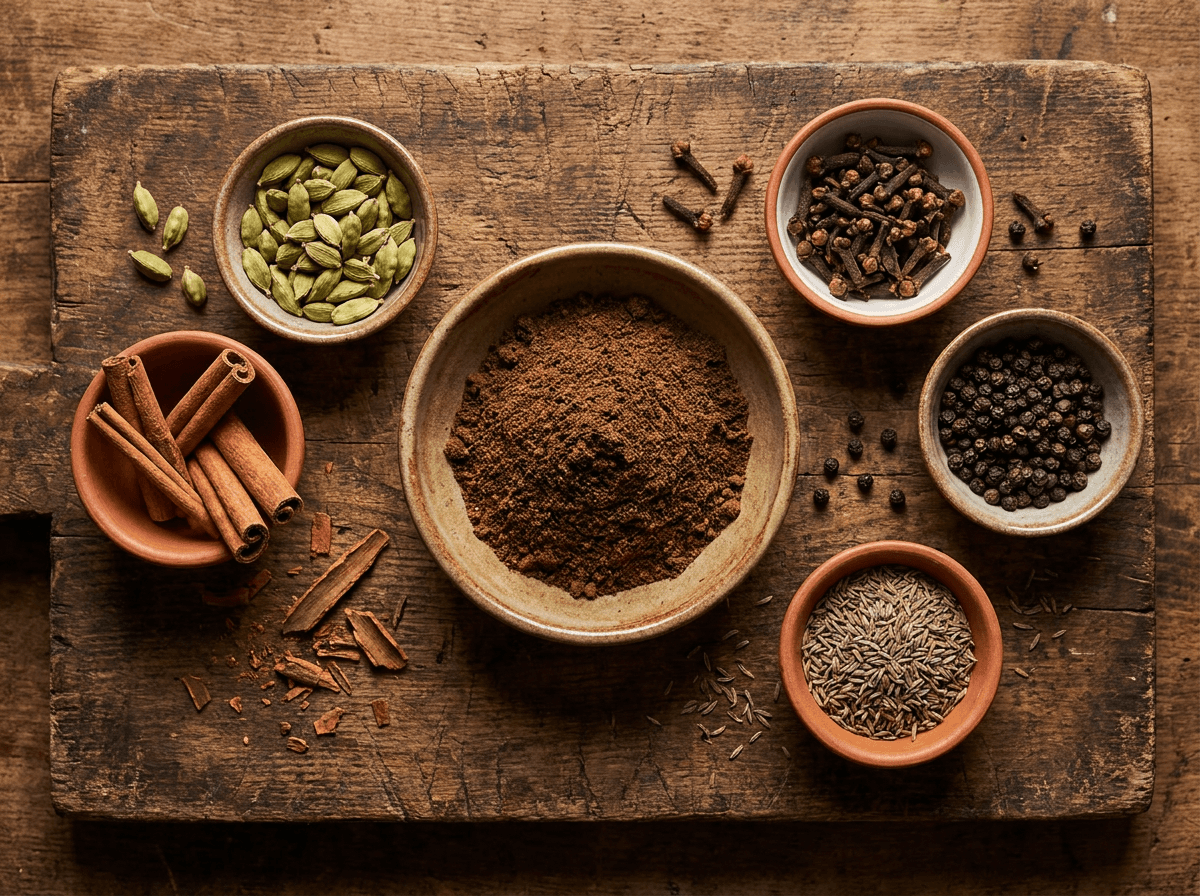
Garam masala is a warming Indian spice blend made by grinding aromatic spices such as cumin, coriander, cardamom, cinnamon, cloves, and black pepper. The name roughly translates to "hot spice mix," but garam masala is generally aromatic and warming rather than chili-hot. Its flavor comes from spices such as cardamom, cinnamon, cloves, and black pepper. It is one of the most flexible, most-used blends in Indian cooking.
If Indian cooking feels like a wall of unfamiliar jars, garam masala is a friendly way in. You can skip the full pantry overhaul and still get something that tastes unmistakably Indian. A small jar adds real depth to weeknight dinners, roasted vegetables, even scrambled eggs. Below: what it tastes like, how to use it without turning dinner into potpourri, how it stacks up against curry powder, and what to do when you are out.
What is garam masala, and why do recipes add it at the end?
Most of the time, garam masala is treated like a finishing move. Salt and oil build the foundation; this blend sits on top, mostly as aroma. There is no single "authentic" formula. The mix changes by region, household, and brand, sometimes with five spices, sometimes with thirty.
Garam masala is often added toward the end of cooking because some of its aromatic compounds are volatile and can fade with prolonged heat. Stirring it in during the last minute or two, or after turning off the heat, helps preserve its fragrance. However, some recipes add garam masala earlier to build flavor into the dish, while others use it at multiple stages. The best timing depends on the recipe and the flavor you want.
What does garam masala taste like?
Garam masala tastes warm, toasty, and a little sweet, with a gentle peppery edge. It comes across as aromatic more than "spicy." Crack open a fresh jar and you will get that floral, almost perfumey hit from cardamom and cloves. In the finished dish, it reads as cozy depth rather than any one loud spice.
The blend matters, and it can swing more than you might expect. A cinnamon-and-clove-heavy version leans cozy and sweet, almost like savory chai. A pepper-and-cumin-forward one feels sharper and more earthy. Both are normal. When you buy your first jar, trust your nose: it should smell bright. If it is dull or faintly musty, the good stuff has already faded.
What are the typical garam masala ingredients?
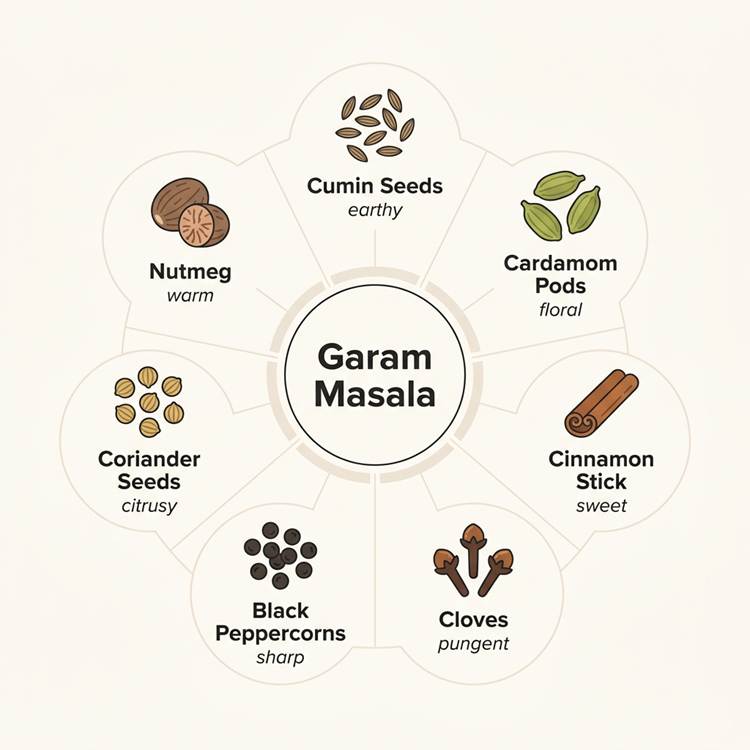
Most garam masala blends share a familiar backbone: cumin, coriander, black pepper, green cardamom, cinnamon or cassia, cloves, and nutmeg or mace. Some add bay leaf, fennel, star anise, or dried ginger. The roles are pretty intuitive once you taste them: cumin and coriander give you the earthy base, cardamom and cloves bring the floral lift, cinnamon rounds things out with sweetness, and black pepper adds a mild bite.
Where it comes from changes the balance. North Indian versions often lean harder on sweeter, warming spices like cinnamon and cloves. Southern and coastal blends sometimes bring in dried chilies or extra pepper, which makes the mix feel more pointed. When you are scanning a label, look for salt and chili powder. Salt-added blends are convenient, but they make it harder to control seasoning. Chili-added blends add heat, which is separate from the warming aroma garam masala is known for.
How do you use garam masala without overdoing it?
Two habits help you get started: use a small amount, and follow the recipe's recommended timing. For a weeknight meal that serves four, start with 1/4 to 1/2 teaspoon. For a pot of curry or dal, 1 to 2 teaspoons is a sensible range. Then adjust, because blends vary a lot from brand to brand.
You have two practical approaches. One is the finishing sprinkle: stir it in during the last 1 to 2 minutes of cooking, or after you turn the heat off. The other is a quick bloom in fat: add it to warm oil or ghee for about 30 seconds before the rest of the ingredients go in. Blooming is great when you want the spice threaded through the base instead of floating on top. If you are new to it, the finishing method is harder to mess up.
If you overshoot, you are not doomed. Dilute with a splash of cream, coconut milk, or tomato. A squeeze of lemon helps pull the flavor back into focus. You can also simply increase the base: more cooked onion, more chickpeas, more of whatever the dish is built on.
Real-world dishes where garam masala shines
These are practical starting points for your first uses:
Butter chicken: Add a finishing pinch after the cream goes in. It perks up the sauce without muddying it.
Chana masala: Stir in a small amount right at the end, on top of the base masala, for a fresh aromatic lift.
Aloo gobhi (potato and cauliflower): Add it late so the cauliflower tastes bright instead of dusty.
Scrambled eggs: A tiny pinch with salt at the end reads like warmth, not "spice."
Roasted sweet potatoes or carrots: Toss with oil, garam masala, and salt before roasting. Finish with a squeeze of lemon.
Chicken thighs or tofu: Mix into a yogurt marinade, or sprinkle on after searing.
If you would rather follow a recipe where the spice timing is already handled, Indian dinner recipes paired with Posha can take the "when do I add this?" question off your plate.
Garam masala vs curry powder: are they interchangeable?
This is the mix-up that gets everyone sooner or later. Garam masala vs curry powder is less about which one is "better" and more about what they are built to do. Commercial curry powder developed in the British and Anglo-Indian culinary context as a standardized spice mixture inspired by Indian cooking. It commonly contains turmeric, giving many versions their characteristic yellow color and earthy flavor. Curry powder is often added earlier in cooking, while garam masala is frequently added toward the end to preserve its aroma. However, both blends can be used at different stages depending on the recipe.
Feature | Garam Masala | Curry Powder |
|---|---|---|
Typical ingredients | Cardamom, cinnamon, cloves, cumin, coriander, black pepper, nutmeg | Turmeric, cumin, coriander, fenugreek, mustard, sometimes chili |
Color | Warm brown | Bright yellow-orange |
Flavor profile | Warm, aromatic, lightly sweet, floral | Earthy, savory, mildly bitter |
Best time to add | Often added late; also used earlier or in marinades, depending on the recipe | Early, usually bloomed in oil or fat |
Common dishes | Butter chicken, chana masala, biryani | British-style curry, stews, soups |
Substitution notes | Curry powder + a pinch of cinnamon/clove is a rough stand-in | Garam masala + a pinch of turmeric is a rough stand-in |
You can swap them when you have to, just do it with your eyes open. Curry powder in place of garam masala will make the dish yellower and more earthy. Garam masala in place of curry powder will push the aroma forward and dial back the color. If you cook with both even occasionally, it is worth keeping each on hand. The Indian pantry essentials section explains how to build a practical collection of spices and staples for weeknight cooking.
What is the best garam masala substitute when you run out?
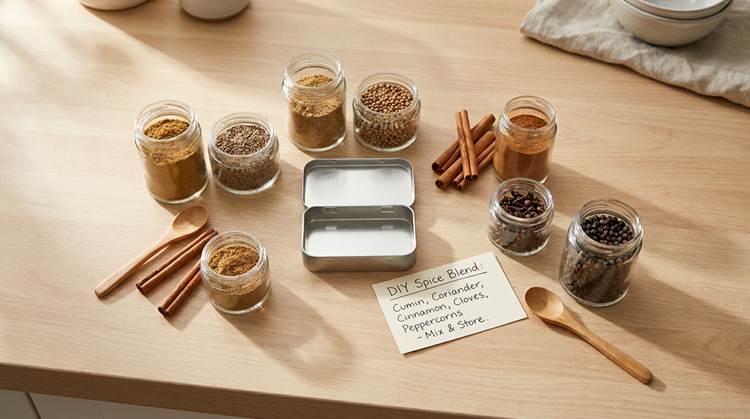
The closest substitute is a quick DIY blend from spices you probably already have. Mix 1/2 teaspoon cumin, 1/4 teaspoon coriander, 1/4 teaspoon cinnamon, a pinch of ground cloves, and a pinch of black pepper. If you have ground cardamom, add a small pinch. It will not match a commercial blend exactly, but it lands in the same warming, aromatic neighborhood.
If you want an even faster shortcut, use curry powder plus a pinch of cinnamon and cloves. In a true last-resort moment, pumpkin pie spice or chai masala can work in very small amounts because they share some overlap. Keep it tiny, though: those blends skew sweet, and too much can shove a savory dish in the wrong direction.
Sometimes the smartest substitute is none at all. If the dish is delicate and garam masala is the only seasoning you are missing, finish with toasted cumin, a crack of black pepper, and a squeeze of lemon instead. You will miss the floral complexity, but the plate will still taste balanced.
How should you store garam masala, and how long does it last?
Keep garam masala airtight, cool, and away from steam. The cabinet above the stove is a rough spot for any ground spice: heat and moisture speed up flavor loss. A drawer or a lower cabinet away from the oven is a better home.
An unopened jar of garam masala can retain its quality for a long time when stored properly, but its aroma and flavor gradually fade. Once opened, aim to use the blend within 6 to 12 months for the best flavor. Check the manufacturer's best-before date and store it in an airtight container away from heat, light, and moisture. If the blend smells faint or stale, consider replacing it. Discard it if you notice mold, moisture damage, or other signs of contamination.
What mistakes do beginners make with garam masala?
Three common errors and how to avoid them:
Scorching it over high heat: Ground spices can burn in a dry pan or excessively hot oil, creating a bitter flavor. If blooming garam masala, use moderate heat and cook it briefly before adding the next ingredients. Alternatively, add it toward the end to preserve its aroma.
Using it as a base seasoning in large amounts: A tablespoon at the start can taste muddy and medicinal. Treat garam masala like an accent, not the foundation.
Buying a large jar and forgetting it: The big container looks like a deal until the last half tastes like nothing. Buy a size you can finish within about six months.
Key takeaways: garam masala in plain English
Everything you need to remember:
Garam masala is an aromatic Indian spice blend. Its name roughly translates to "hot spice mix," but its warmth usually comes from fragrant spices rather than chili heat.
The garam masala taste is aromatic, toasty, and slightly sweet, with a gentle peppery edge.
Common garam masala ingredients include cumin, coriander, cardamom, cinnamon, cloves, black pepper, and nutmeg.
Add it toward the end to preserve its aroma, or earlier when the recipe calls for blooming or marinating. Start around 1/4 teaspoon and adjust to taste.
Garam masala vs curry powder: curry powder commonly contains turmeric, while garam masala emphasizes aromatic spices such as cardamom, cinnamon, and cloves. Cooking times vary by recipe.
The best garam masala substitute is a DIY mix of cumin, coriander, cinnamon, cloves, and pepper.
Store it airtight and away from heat and steam. Use within 6 to 12 months of opening for best flavor.
Frequently Asked Questions
Is garam masala spicy-hot, or just "warm"?
Garam masala is usually warm and aromatic rather than chili-hot. Its flavor comes from spices such as cinnamon, cardamom, cloves, cumin, and black pepper. Some blends include chili, so check the ingredient label if you prefer less heat.
Can I use garam masala instead of curry powder, and what changes?
Yes, with a noticeable shift. Garam masala usually does not include turmeric, so the dish will look less yellow. The flavor moves toward aromatic and floral instead of earthy. If you want curry powder's color, add a small pinch of turmeric separately.
When should I add garam masala, at the beginning or the end?
Garam masala is often added during the last 1 to 2 minutes of cooking, or after turning off the heat, to preserve its aroma. Some recipes use it earlier, such as when blooming spices in fat or preparing a marinade. Others add it at multiple stages to develop flavor. Follow your recipe's instructions for the best result.
What is the simplest DIY garam masala substitute using common pantry spices?
Mix 1/2 teaspoon ground cumin, 1/4 teaspoon ground coriander, 1/4 teaspoon cinnamon, a pinch of ground cloves, and a pinch of black pepper. Use it in the same quantity the recipe calls for. Add a small pinch of cardamom, if you have it, for a closer match.
How long does garam masala last once opened?
For the best flavor, aim to use garam masala within 6 to 12 months after opening. Its aroma and flavor gradually fade over time. Store it in an airtight container away from heat, light, and moisture, and check the manufacturer's best-before date. Replace it if it smells stale, and discard it if you notice mold or moisture damage.