Rohin Malhotra
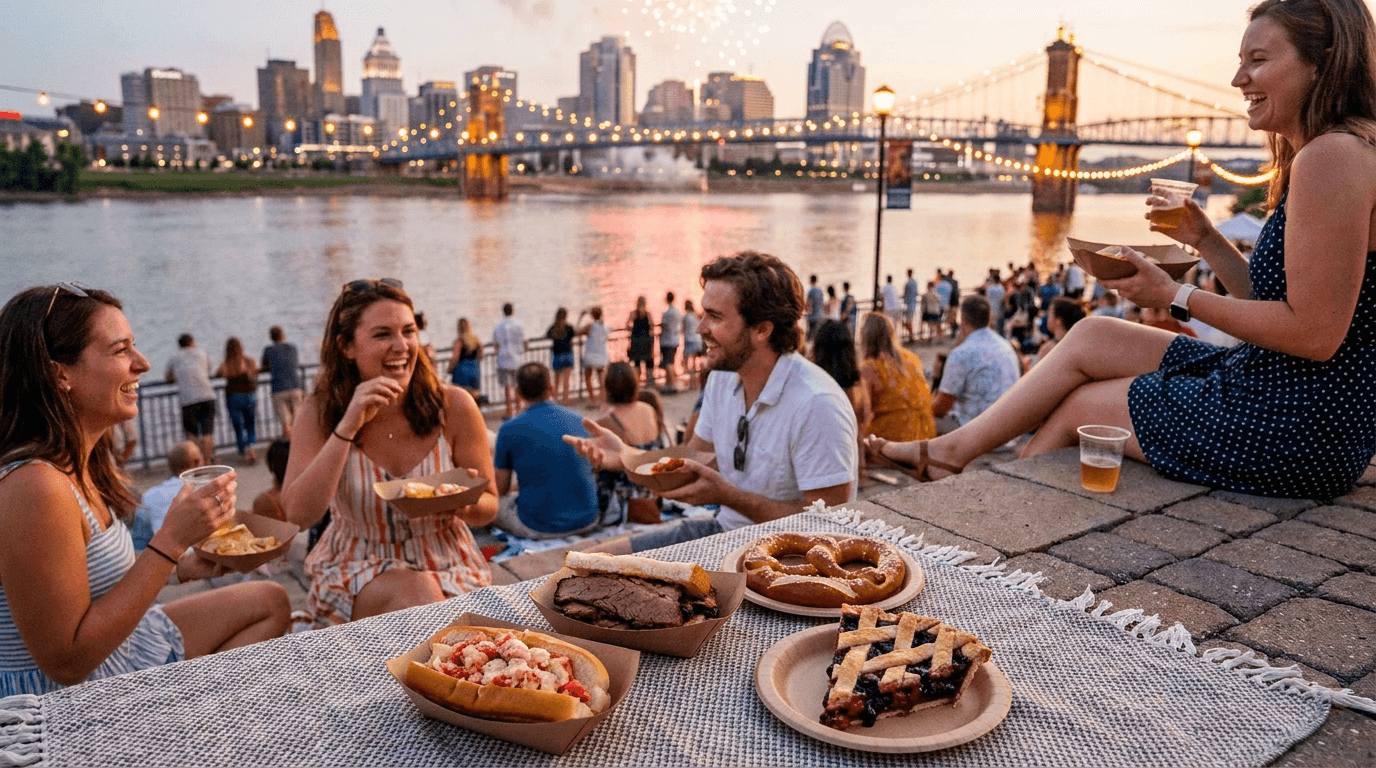
For a certain kind of traveler, the Fourth of July is really just a roaming buffet with a fireworks chaser. The show is scheduled, but the flavors are local and fleeting: sweet corn at peak, tomatoes that finally taste like themselves, smoke drifting from a pit that started before sunrise. If you are planning 4th of July travel for 2026 (the 250th anniversary year), that is the perfect excuse to choose your destination by appetite first and logistics second.
This food lover's travel guide rounds up standout 4th of July food destinations with a market-first approach to regional American cuisine. You will find what to order, where to shop, and which pantry souvenirs help you cook the feeling again once you are home.
Table of contents, a quick preview of the journey:
Before you book: choose your signature bite, then your city
Philadelphia and Pennsylvania: history, hoagies, and a market morning that sets the tone
Market morning, done right: how local markets teach you a place fast
The short list: seven summer food destinations and exactly what to eat
A mini case study: one perfect July 4th day without over-planning
Bring it home: travel-inspired meals and 4th of July food ideas for real life
Advanced: ingredient intelligence, substitutions, and summer food safety
FAQ and a one-page recap
Before you book: plan 4th of July travel like a hungry editor
Start with one question: what is the weekend's signature bite? BBQ with bark and smoke, a seafood shack tray, a farmers market picnic, or street food that tastes like a neighborhood. Pick that first, then choose the region that does it best. Your itinerary gets simpler, and your meals get better.
A quick primer on American food traditions helps here, because the July 4th table looks "classic" while quietly carrying centuries of global influence. Wheat breads, preserved fish, sugar, chiles, spice blends, and pickling cultures all shaped what we now call regional American cuisine. These influences help explain why Fourth of July food traditions vary so widely from one region to another.
Warning: What most people get wrong: trying to stack fireworks, museums, and a reservation-only dining plan on July 4th. Heat slows you down, restaurants run limited hours, and lines are part of the holiday. Make lunch your power move, and let local markets carry the day with snacks and picnic-ready finds.
The scale of the weekend is real. AAA projected that 72.2 million Americans would travel at least 50 miles from home for Independence Day between June 27 and July 5, 2026. The National Retail Federation's 2026 survey found that 87% of consumers planned to celebrate the Fourth of July, with average planned food spending reaching a record $94.41. Crowds are not a surprise, they are the default. Plan for them, and you will still eat beautifully.
Philadelphia & Pennsylvania: where history meets hoagies (and the best market morning of your weekend)
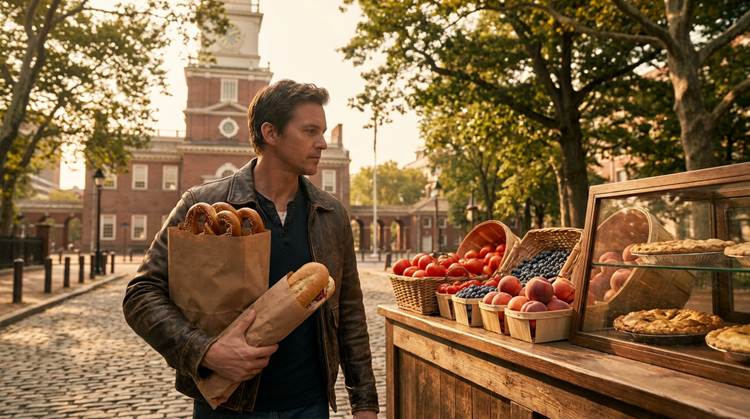
If 2026 has you craving an origin-story weekend, Philadelphia and Pennsylvania deliver the history without sacrificing pleasure. The city does pageantry well, but it is the everyday foods that stick: soft pretzels with mustard, hoagies built for portability, tomato pie, water ice, and summer pies that taste like a porch fan and a good nap.
A Philly day that feels local (restaurant and market guide style):
Breakfast: a soft pretzel and coffee while you walk, then something eggy if you need a base layer
Late morning: browse local markets for peak berries, tomatoes, and a wedge of sharp cheese for a picnic
Lunch: a hoagie split with a friend, plus a side you did not grow up with (tomato pie counts)
Late afternoon: water ice or a slice of summer pie, then build your fireworks-friendly picnic
Packable souvenirs matter here. Look for pantry-friendly American regional ingredients: local mustards, pickles, pepper relish, spice blends, and jam made from Pennsylvania fruit. They travel well and let you recreate the accent notes of the trip long after the parade route clears.
Market morning, done right: local markets as your shortcut to regional American cuisine
Local markets are where a place tells the truth about how it eats. You see what is in season, what is affordable, and what families are actually cooking for a long weekend. For food city guides, markets are the connective tissue across the country, the most reliable way to eat well without a reservation strategy.
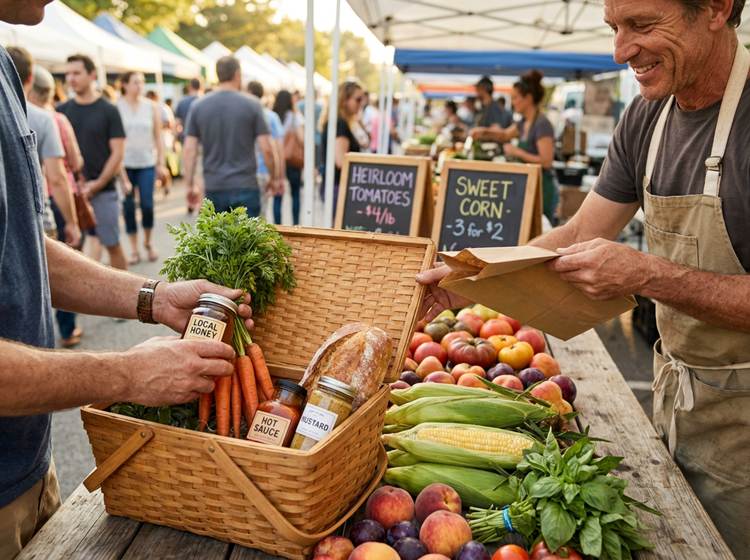
Use the market basket method: buy 3 ingredients + 1 condiment + 1 snack. It works in a rental kitchen, a park, or a hotel room with a mini fridge.
A market basket template you can repeat anywhere:
3 ingredients: one hero produce item, one protein or dairy, one starch (bread, tortillas, corn, or potatoes)
1 condiment: hot sauce, mustard, salsa, chow chow, aioli, or a local vinaigrette
1 snack: a cookie, a hand pie, a bag of kettle chips, or fruit you can eat on the walk back
Talking to vendors does not have to be awkward. Ask three questions: "What is best today?" "How do you eat it at home?" and "If I only buy one thing, what should it be?" You will walk away with cooking tips, not just a sales pitch.
The short list: 4th of July food destinations worth the detour (and what to eat there)
These culinary travel USA picks are built around cookout traditions and summer ingredients, with an eye toward what you can bring back. Tastewise (2025) found regional specialties dominate July 4th social chatter, including BBQ brisket in Texas (19.3% of mentions), Carolina pulled pork in North Carolina (18.4%), and lobster rolls in Maine (18.2%). That tracks with real life: people want the thing that tastes like only there.
Destination-to-dish cheat sheet:
Philadelphia, Pennsylvania | Signature foods: soft pretzels, hoagies, tomato pie, summer pies | Best place: local markets plus a classic sandwich shop | Take-home: mustard, pepper relish, local jam
Central Texas (Austin, Lockhart, Taylor) | Signature foods: brisket, ribs, sausage, smoked turkey | Best place: BBQ joints with early sellouts | Take-home: rubs, pickled jalapenos, hot sauce
Coastal Maine and Massachusetts | Signature foods: lobster rolls, fried clams, chowder, berry desserts | Best place: seafood shacks and fish markets | Take-home: seafood seasoning, local sea salt, jam
New Orleans, Louisiana | Signature foods: po'boys, chargrilled oysters, jambalaya | Best place: casual neighborhood spots and markets | Take-home: Creole seasoning, hot sauce, pickled okra
California (Los Angeles, Santa Barbara, Bay Area) | Signature foods: grilled vegetables, fish tacos, market fruit desserts | Best place: farmers markets and taquerias | Take-home: citrus-forward marinades, chile crisp, spice blends
The South (Georgia, Tennessee, the Carolinas) | Signature foods: fried chicken, biscuits, peach cobbler, cookout sides | Best place: diners, bakeries, and family-style spots | Take-home: hot honey, stone-ground grits, preserves
Midwest lake towns (Wisconsin, Michigan, Minnesota) | Signature foods: sweet corn, brats, picnic salads, pies | Best place: roadside stands and small-town bakeries | Take-home: local honey, mustard, pie inspiration.
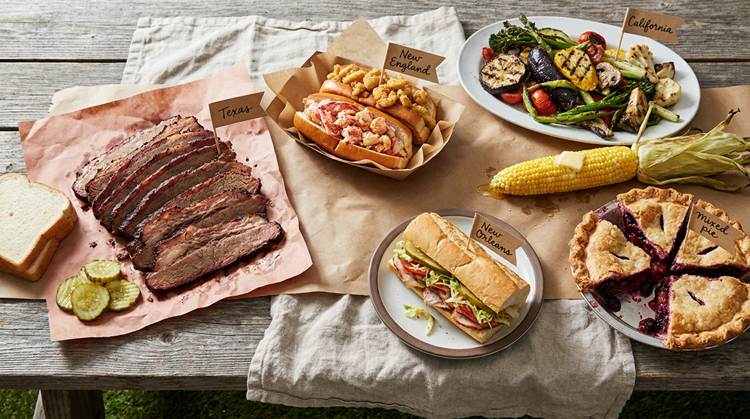
Texas, New England, New Orleans, California, the South, and Midwest lake towns: what to order and what to pack home
Texas is about time and smoke. Order brisket and sausage, and do not overthink the slice of white bread. It is there to catch juices and calm the heat. Popular barbecue spots often sell out early, so arrive ahead of the lunch rush and be prepared to wait.
New England is a lesson in restraint. Pick your lobster roll style (warm butter or cold mayo), add fried clams, then pivot to berries. The simplest rental-kitchen dinner is seafood from a fish market, corn, and a bowl of fruit.
New Orleans tastes like a party even at lunch. Po'boys, jambalaya, and chargrilled oysters carry global ingredients and histories, from West African seasoning logic to French technique and Caribbean heat. You do not need a fancy reservation to eat memorably here.
California's signature is freshness, often filtered through fusion flavors. Build a day around one perfect ingredient from a farmers market, then let citrus, chiles, herbs, and a hot grill do the rest.
Across the South, sides run the show. Fried chicken and biscuits are the headliners, but slaw, potato salad, and beans are the social currency. Taste of Home (2023) noted potato salad as the most searched Fourth of July food in 10 states, which explains the fierce opinions.
Midwest lake towns keep it simple on purpose: sweet corn, brats, picnic foods, and pies from a small-town bakery. Community celebrations are part of the flavor here, so eat where people linger.
A mini case study: one perfect July 4th day (without over-planning it to death)
A schedule template that works in most summer food destinations:
9:00 a.m.: late breakfast close to where you are staying, then a short walk
10:30 a.m.: local markets for your picnic basket, plus one treat you did not plan
12:30 p.m.: early lunch at the signature spot (BBQ, shack, taqueria), before the longest lines
2:00 p.m.: heat break, nap, museum, or a swim, keep it low effort
5:00 p.m.: early dinner that is mostly cold or grilled, then park yourself near fireworks
8:30 p.m.: fireworks snack (pie, water ice, kettle chips, fruit) and a drink you can carry
Note: Skip this pacing if you already travel like a pro and love a long reservation meal. Do this if you hate crowds: eat your signature meal on July 3rd, then use July 4th for markets, picnics, and low-queue snacking.
When the line hits 90 minutes, pivot to your market basket and treat the wait as a later snack mission. When a restaurant is closed, follow the smoke, the bakery line, or the busiest produce stand. Your best meal of the day is often the one you never scheduled.
Bring it home: travel-inspired meals and 4th of July food ideas you will cook again
The best souvenirs are usually edible, and they fit in a carry-on. To turn a trip into repeatable cooking, choose one hero flavor, one technique, and one side, then remix all summer. That is how travel-inspired meals become weeknight-friendly rather than a once-a-year project.
A practical remix formula (mix and match):
Hero flavor: Texas-style smoky rub, Creole seasoning, citrus-chile marinade, or a mustardy pickle brine
Technique: grill, quick pickle, slow braise, or roast at high heat
Side: herby slaw, corn salad, smoky beans, potato salad, or a fruit-forward dessert
After the trip, the flavors you miss are the ones worth building into your routine. Posha can help make that easier by turning travel-inspired ideas into fresh, homemade meals with less hands-on cooking, especially when you want the spirit of a cookout on a Tuesday. If you are curious how it fits into modern home life, start at Posha's homepage.
Advanced: ingredient intelligence that makes it taste "right"
Regional cooking is often flavor math. If your plate tastes flat, it is usually missing acid or crunch, not more salt. Aim for smoke plus acid plus fat plus crunch, then adjust heat to your crowd.
Smart substitutions that keep the spirit of regional American cuisine:
Cannot find the right bread? Choose the freshest option, then add the regional condiment (pepper relish, hot sauce, or citrus) to carry the memory
No access to Gulf shrimp or Maine lobster? Use the best local seafood, then lean on the seasoning logic and the right side (corn, slaw, or fries)
No smoker? Build "smoke" with a spice blend, char on a grill pan, and a quick pickle for contrast
Info: The best take-home ingredient is usually a condiment. A jar of local mustard or a regional hot sauce upgrades dozens of meals, long after the fireworks are over.
Summer logistics matter. Keep mayo-based sides cold, pack a real cooler if you are road-tripping, and never leave perishable seafood in a hot car. According to USDA food-safety guidance, cold foods should be kept at 40°F (4°C) or below. Discard perishable foods left unrefrigerated for more than two hours, or more than one hour when temperatures exceed 90°F (32°C). If you are flying with perishable regional foods, freeze what you can, pack them securely in an insulated container, and keep them at a safe temperature throughout the journey. TSA allows meat, seafood, and other non-liquid foods in carry-on and checked baggage. For carry-on screening, ice and gel packs must be completely frozen. If they are partially melted, slushy, or contain liquid, they must meet TSA's 3-1-1 liquids requirements. Check airline requirements before traveling.
Frequently Asked Questions
What are the best 4th of July food destinations for a 3-day weekend?
Pick a place where the signature bite is close to the airport or your lodging. Philadelphia, New Orleans, and many Texas BBQ towns work well because you can eat memorably with a strong market morning and one main meal, then spend the rest of the time on neighborhood wandering.
How do I find the best local markets when visiting a new city?
Search for a year-round farmers market or a historic public market, then go early. Once you arrive, look for seasonal produce, check how prepared foods are stored, and ask vendors "What is best today?" and "How do you cook it at home?"
Which regional American dishes are easiest to recreate at home after a trip?
Start with sides and condiments: herby slaw, smoky beans, corn salad, quick pickles, and fruit crisps. They capture American regional ingredients and cookout traditions without requiring specialized equipment.
How do I plan 4th of July travel around restaurants without spending the day in line?
Make your signature restaurant meal an early lunch, then rely on local markets for the rest. If you want a sit-down dinner, book it for July 3rd. On July 4th itself, snack your way through the city and treat the fireworks as the main event.
What is the safest way to fly home with regional foods like BBQ or seafood in summer?
Choose shelf-stable items first, such as spice blends and travel-friendly condiments. For perishables, freeze them solid, pack them in an insulated container with cold packs, and keep them sealed to prevent leaks. If traveling with a carry-on, TSA requires ice and gel packs to be completely frozen at security screening; partially melted packs must comply with its liquids rules. Keep perishable foods at 40°F (4°C) or below throughout the trip, and discard food that exceeds USDA's safe time limits.
Your one-page recap for 4th of July food destinations
Choose the signature bite first, then book the region that does it best. Use food city guide logic: markets in the morning, your main meal at lunch, and a picnic-friendly plan for fireworks. Stock up on American regional ingredients that travel well (especially condiments), then turn them into travel-inspired meals all summer. The holiday feels more meaningful when you can taste where you are. Explore more travel-inspired meals at home with Posha at www.posha.com.