Rohin Malhotra
If you have ever stared at a DoorDash receipt and felt your stomach drop, you are not alone. Comparing the cost of DoorDash with cooking at home sounds simple until you add up all the extras. Delivery fees, service charges, tips, and marked-up menu prices pile on quickly. Cooking at home is not "free," either: groceries, the time to prep, ingredients that go bad in the fridge, and the sheer effort it takes on a weeknight. So what do the numbers actually look like? And how does a smarter kitchen that handles the cooking change that tradeoff?
Here is the breakdown of food delivery vs cooking cost across five angles: monthly spend, time, meal quality, flexibility, and long-term value. If you are a young professional ordering Uber Eats a few nights a week, or a family quietly watching delivery creep toward $600 a month, this should make the decision feel a lot less fuzzy.
How Much Does DoorDash Cost Monthly (Really)?
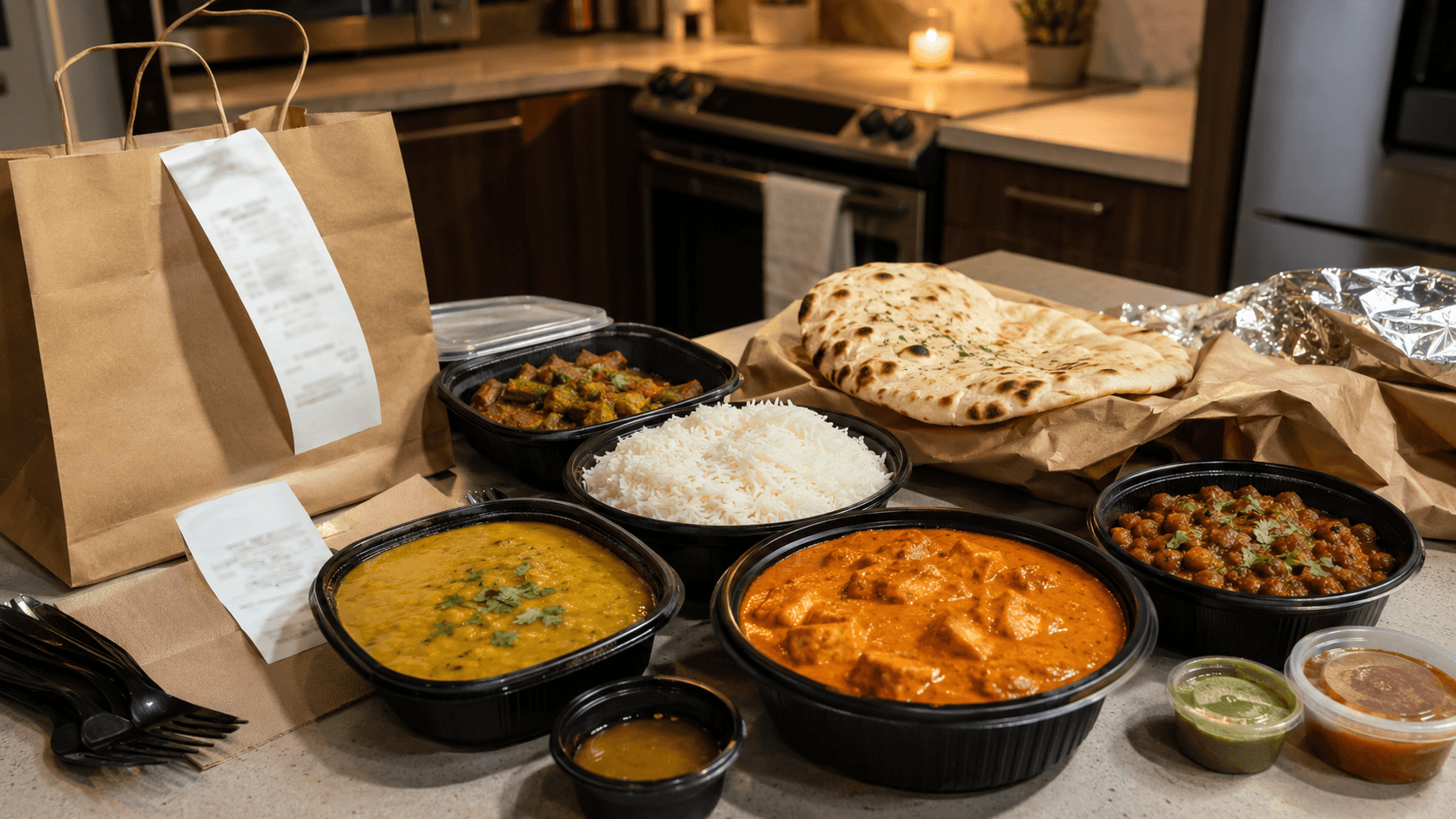
For illustration, assume a DoorDash order for two people costs $35 to $50 once you account for delivery fees that vary by restaurant, location, and order, service fees that vary by order, distance, and market, tips, and menu prices that may be higher than the restaurant's in-store prices. At three orders per week, that would total approximately $420 to $600 over a four-week period for two adults. Actual calendar-month spending will vary. And if you are thinking, "We are not that bad," monthly delivery spending can add up quickly for households that order several times a week, particularly when fees, tips, and menu-price differences are included.
DashPass, DoorDash's $9.99-per-month subscription, offers $0 delivery fees and reduced service fees on eligible orders that meet the minimum subtotal shown in the app. Actual savings vary by order and location. DashPass does not guarantee the same menu prices as ordering directly from a restaurant. Its value depends on the fees saved on eligible orders compared with the subscription cost. So is DoorDash worth it with DashPass? Whether DashPass is worthwhile depends on how often you order and how much you save on eligible orders. If delivery is your default, the numbers still sting.
The True Cost of Cooking at Home
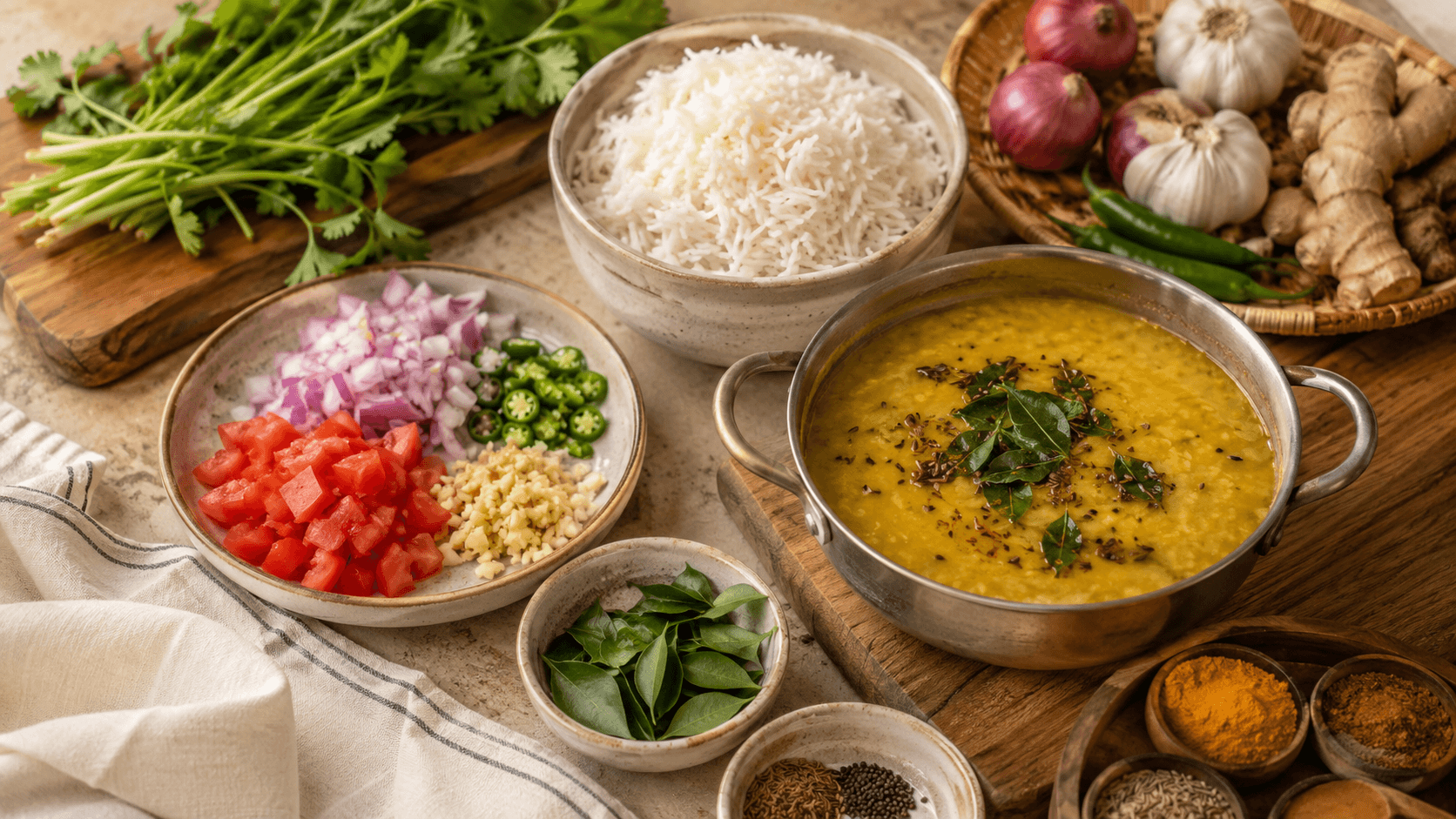
Cooking dinner at home lets you build meals around your grocery budget. The USDA's Food Plans provide estimates of monthly food-at-home costs, but the price of an individual dinner depends on the ingredients, portion sizes, and where you shop. As an illustrative budget, spending $5 to $12 per dinner for two across 20 dinners would total $100 to $240 a month. These are assumed meal costs, not USDA estimates. The full monthly grocery bill also includes breakfasts, lunches, snacks, and other food purchases. Total spending varies by household size, location, and shopping habits, so a meaningful comparison should account for the same number of meals and servings.
The tradeoff is time, and that is where most people feel the squeeze. Shopping, preparing ingredients, cooking, and cleaning up all require effort, which can make ordering delivery appealing on busy weeknights.
For illustration, if a weeknight dinner takes 45 to 90 minutes in total, including prep, cooking, and cleanup, preparing five dinners would require approximately 3 hours and 45 minutes to 7 hours and 30 minutes, excluding grocery shopping.
Try this simple savings example: replace ten $40 delivery orders per month with ten comparable $10 home-cooked meals. That would save approximately $300 per month, or $3,600 per year.
DoorDash vs Home Cooking: Head-to-Head Comparison
Criteria | DoorDash (12 dinners for 2) | Home Cooking (12 dinners for 2) | Smart Cooking with Posha (12 dinners for 2) |
|---|---|---|---|
Illustrative Monthly Cost | $420–$600 | $60–$144 for dinner ingredients | $60–$144 for dinner ingredients, plus the device purchase price and any optional Posha Circle membership |
Time Per Meal | Time to place an order, plus variable delivery and waiting time | Preparation, cooking, and cleanup | Ingredient preparation and loading, followed by supported automated cooking steps; cleanup is additional |
Meal Quality | Depends on the restaurant, preparation, and transport | Depends on ingredients and preparation; customizable | Depends on ingredients and the selected recipe; automated temperature, stirring, and timing control |
Flexibility | Restaurant and menu availability | Depends on available ingredients, time, and cooking skills | Depends on supported recipes, ingredients, and membership access |
Long-Term Cost | Recurring order expenses | Recurring grocery expenses | Recurring grocery expenses, an upfront device purchase, and an optional membership |
For families, the monthly takeout number gets loud fast. A household of four ordering delivery frequently may face a substantial monthly bill. Replacing some of those orders with grocery-based dinners can reduce recurring meal costs, although the difference depends on order frequency, portion sizes, ingredients, and local prices.
Where Smart Kitchen Tools Change the Equation
Delivery eliminates the need to cook on busy nights, but its recurring costs can add up. Smart cooking technology addresses a different challenge: reducing the hands-on work involved in preparing meals at home. That is one of the problems smart kitchen technology aims to solve. Meal kits simplify meal planning and ingredient shopping, but they still require preparation and cooking. Prepared meal services reduce cooking work further, although their per-serving prices vary by provider, plan, and delivery charges.
Smart cooking appliances sit in the middle. Some can chop, stir, and heat in one machine, but you still need to stay close and follow the steps. Others combine a smart oven with a proprietary meal delivery service, trading variety for convenience and portion control. Some lean on light-based cooking for speed, but are better suited for reheating and straightforward proteins than full recipes. Other guided cooking devices use a built-in scale, though they still keep you involved from start to finish.
How Posha Approaches the Problem Differently

Posha is an autonomous countertop cook with a built-in recipe bank. You pick a recipe, do the ingredient prep, and then Posha takes over. Its camera, sensors, and onboard intelligence track what is happening in the pot and adjust temperature, stirring speed, and timing as it goes. The point is not just heating food; it is staying on top of the cook so you do not have to. Dinner can cook while you spend time on other things.
If delivery is already a significant part of your household's food budget, replacing some of those orders with home-cooked meals can reduce recurring costs. With Posha, ongoing costs include groceries and, if you choose to subscribe, the optional Posha Circle membership.
Whether lower meal costs offset Posha's purchase price depends on how often you replace delivery orders, what you spend on groceries, and whether you choose the optional membership. Posha does not require an ingredient subscription. Owners can use Co-Pilot mode and Essential recipes without a membership, while the optional Posha Circle membership unlocks unlimited access to the full recipe library. You are still cooking real food with real ingredients, just without hovering over the stove the whole time.
Verdict: Which Option Fits Your Life?
DoorDash and delivery apps make sense as an occasional splurge, or for nights when cooking is simply not in the cards. Delivery often costs more than preparing a comparable meal at home, particularly after fees and tips. However, it provides restaurant variety and requires little preparation.
Traditional home cooking can cost less than ordering comparable meals through delivery apps, while giving you more control over ingredients, freshness, and preparation. The actual savings depend on grocery prices, portion sizes, and the meals you prepare. The problem is consistency: busy professionals and parents often have the intention, but not the bandwidth, to keep it going.
Posha bridges the gap. Posha lets you prepare meals with your own groceries while reducing the need to monitor and stir food throughout the cooking process. For dual-income couples and families looking to reduce recurring delivery expenses, Posha offers another way to prepare home-cooked meals: prep and load the ingredients, let the device handle the supported cooking steps, and return when dinner is ready.
In the illustrative scenarios above, a couple ordering delivery three times a week could spend $420 to $600 over four weeks. Preparing the same number of dinners at home would cost $60 to $144 in ingredients under the article's assumed meal budget. Autonomous cookers like Posha reduce active cooking work by handling supported cooking steps after ingredient preparation and loading. Their overall value depends on grocery costs, the device purchase price, and any optional membership.
Frequently Asked Questions
How much do people typically spend on DoorDash each month?
In an illustrative scenario, a two-person household spending $35 to $50 per order, three times a week, would spend approximately $420 to $600 over four weeks, including applicable fees and tips. DashPass can reduce delivery and service fees on eligible orders, but menu prices may still differ from a restaurant's in-store prices.
Is DoorDash worth it compared to cooking at home?
As an occasional convenience, it can be. As a routine, it is hard to justify on cost. A home-cooked dinner can cost less than a comparable delivery order because you purchase the ingredients directly and avoid delivery-related fees. The exact difference depends on the meal, portions, and grocery prices. For example, replacing ten $40 delivery orders with ten comparable $10 home-cooked meals would save approximately $300 before accounting for additional household costs.
What's the simplest way to estimate savings from cooking at home?
Track your food delivery spending for one month, including delivery fees, service charges, and tips. Then estimate what it would cost to prepare comparable meals at home using groceries. Subtract your estimated grocery costs from your delivery spending to calculate your potential savings. For example, replacing ten $40 delivery orders each month with ten comparable $10 home-cooked meals would save approximately $300 per month, or $3,600 per year. Actual savings will vary depending on your meal choices, portion sizes, grocery prices, and other household costs.
How does Posha compare to meal kits like HelloFresh?
Meal kit prices and preparation times vary by provider, plan, and recipe. Unlike a meal kit, Ongoing costs include groceries and an optional Posha Circle membership. The amount of hands-on work depends on the recipe's ingredient preparation and loading requirements.
Can a smart cooker really replace food delivery?
For some weeknight dinners, yes, depending on the household's meal preferences and the recipes supported by the device. Posha's recipe bank and autonomous cooking cover the hardest part: the actual cooking process. You still need to shop, prepare the ingredients, and load the device, but Posha handles supported cooking steps after you prepare and load the ingredients, making it easier to prepare home-cooked dinners on nights when you might otherwise order delivery.