How Not To Deliver A Cooking Robot — Part 2
Rohin
|
Logistics
12 August 2026
A question which you may be wondering about but haven’t asked yet.
What was I trying to do? Why?
Well, you see, the world hadn’t seen a cooking robot before, let alone used one. And there were too many unknown unknowns.
We didn’t know how customers would react.
We did not know if it would be easy for them to know how to use Posha.
Would they place it on the kitchen countertop or on the kitchen island?
Will they like their first recipe?
How will the unboxing experience be?
There were 100s of questions and there was only one way to find out.
My goal was to be a fly-on-the-wall inside the homes of users. See their lives, become one of them.
So the drill was:
Email customers scheduling a time for “the founder” (yes! that did the trick) of the company to come deliver their robot.
On any given day I would optimize my driving route and do 3 deliveries (sometimes 4 if customers lived nearby).
For all deliveries I would carry ingredients with me to have everything ready to cook the first recipe at the customer’s home.
I would go to a customer home, have them unbox the robot, set it up and cook their first recipe.
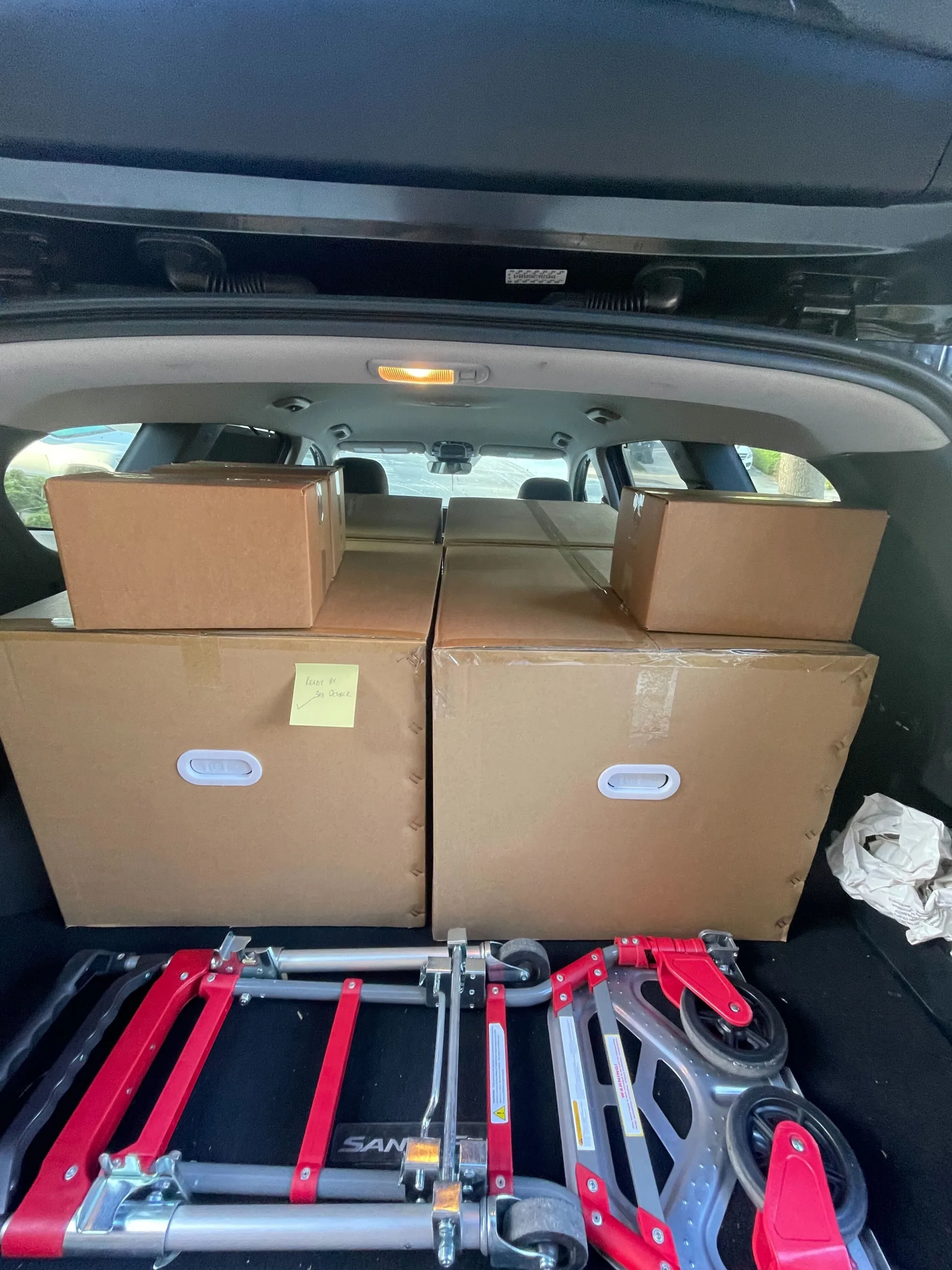
My car loaded up with bots and trolley to wheel them in
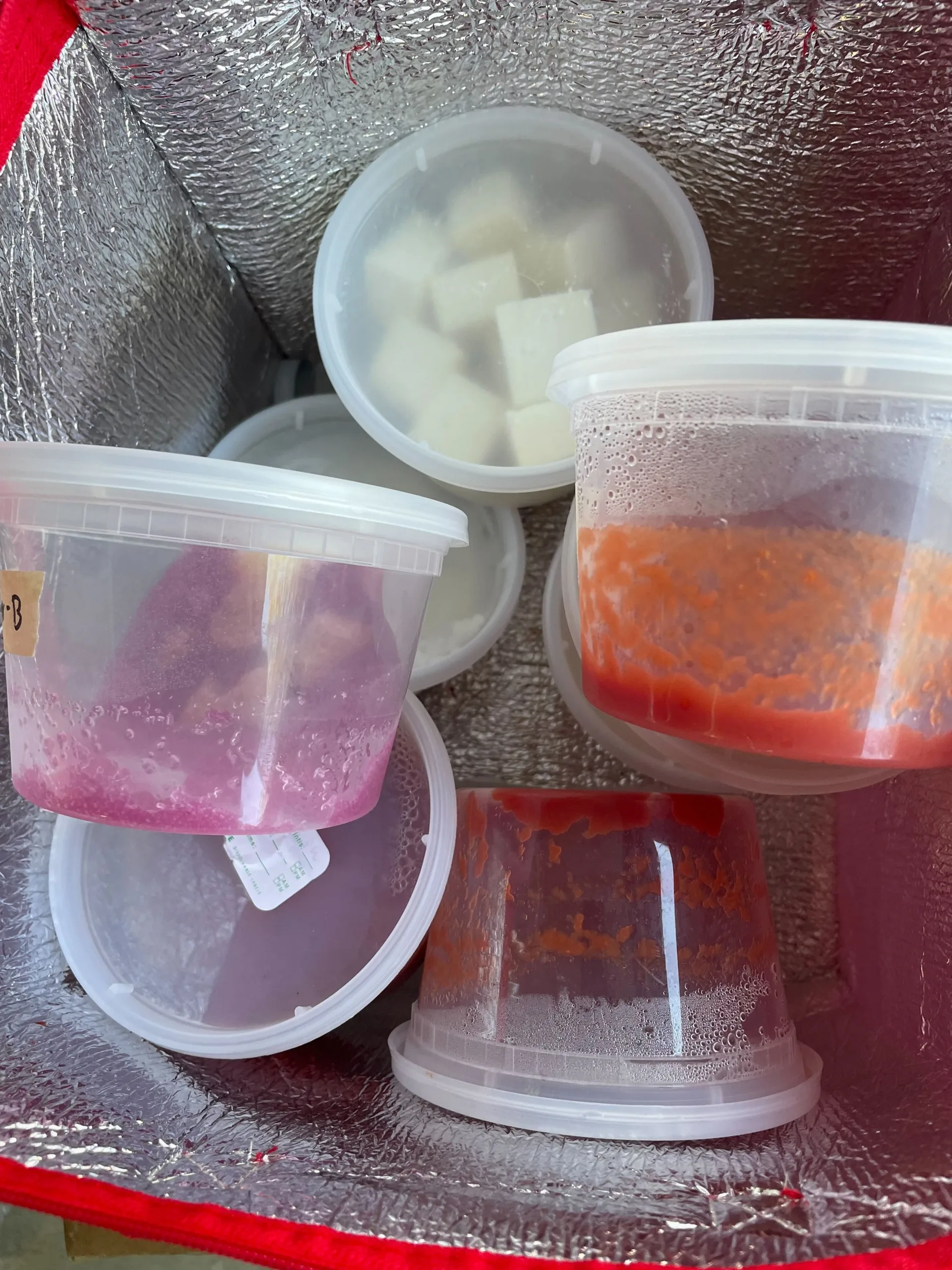
My insulated ingredients bag holding the ingredients for a customer's first recipe
And boy was it an experience! I feel I could write a story on every customer ♥️
One of our first customers was Dr. Amy. How did she discover Posha?
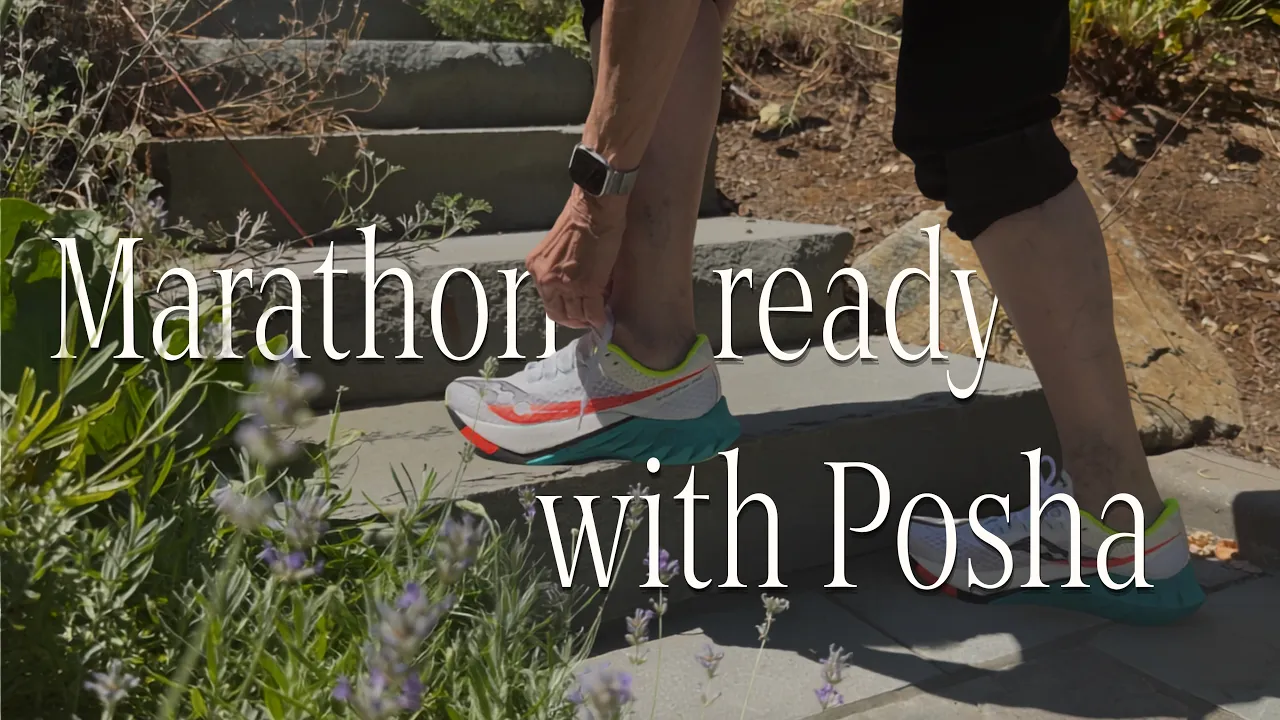
She read about us on a flight. On the TIMES Magazine in front of her seat pocket! (which awarded Posha as one of the best inventions of 2025). She was en-route to Boston to run the Boston Marathon 🤯 — watch her story 👇
One of early customers were Ashish and Ruhi who were beyond excited (and a bit angry!) to get Posha after a long wait. A household with three generations living under the same roof — Posha elicited awe and wonder among everyone.
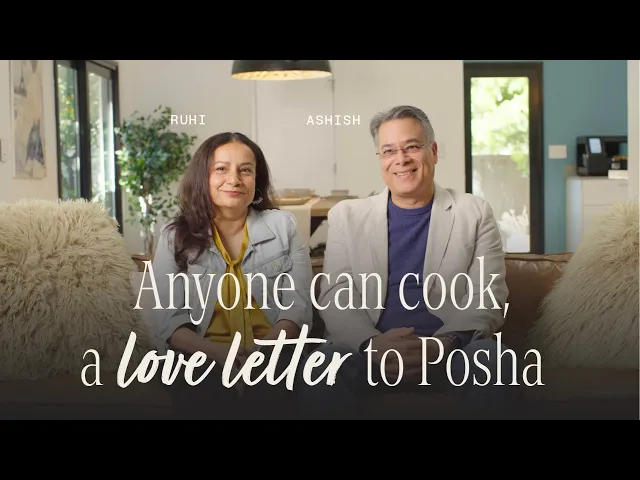
But one of the most memorable experiences came after I’d crossed 100 deliveries.
I walked into a customer home thinking it to be like any other delivery.
As I wheeled the robot through the living room, I stopped short in my tracks…
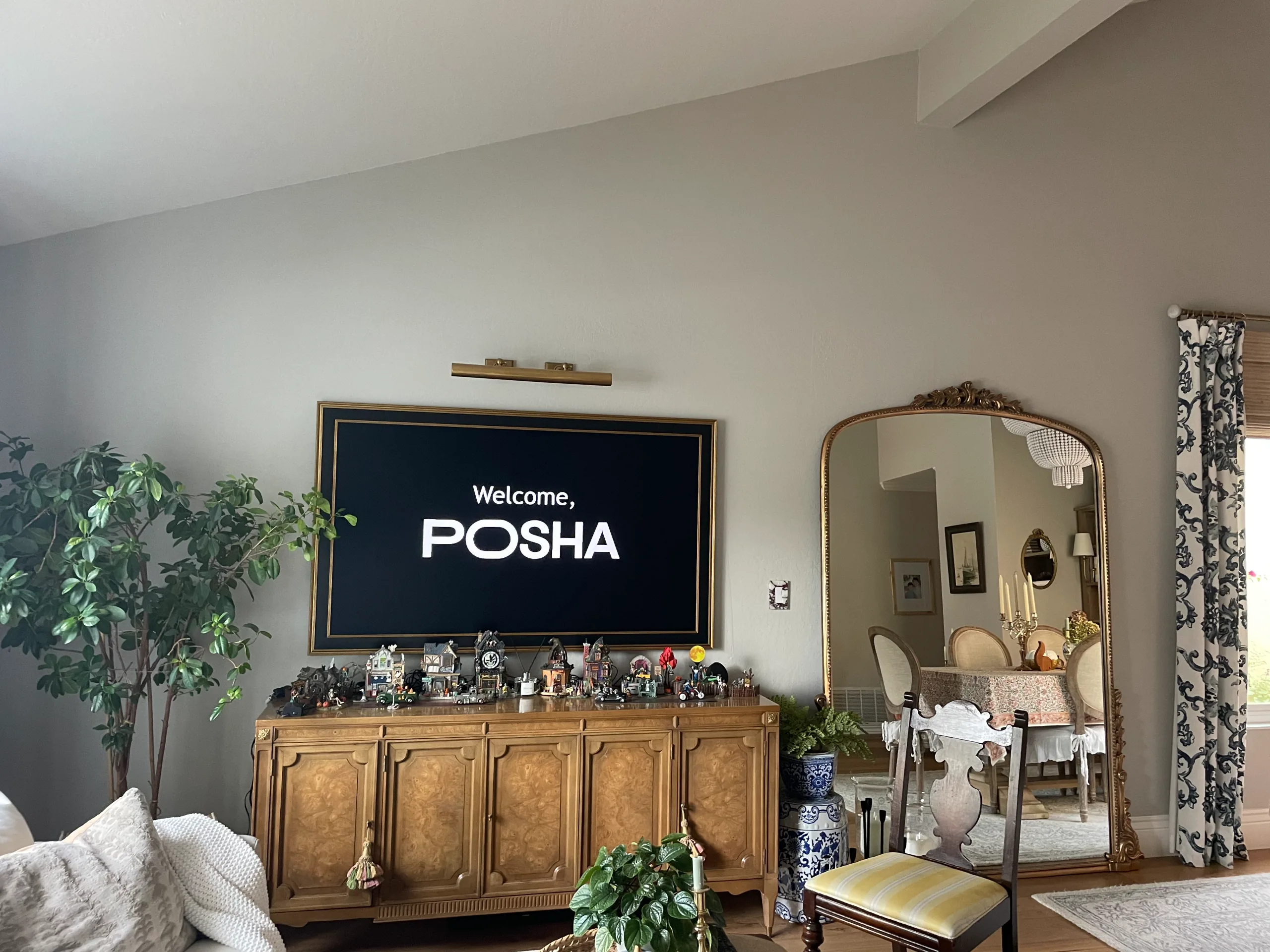
Turned out this was one of our youngest users, Ben, who as a really warm gesture, had put up a Welcome Posha sign on the living room TV.
In the course of conversation I learnt that Ben had been saving up to buy Posha, so he could cook dinner for the family 🥹
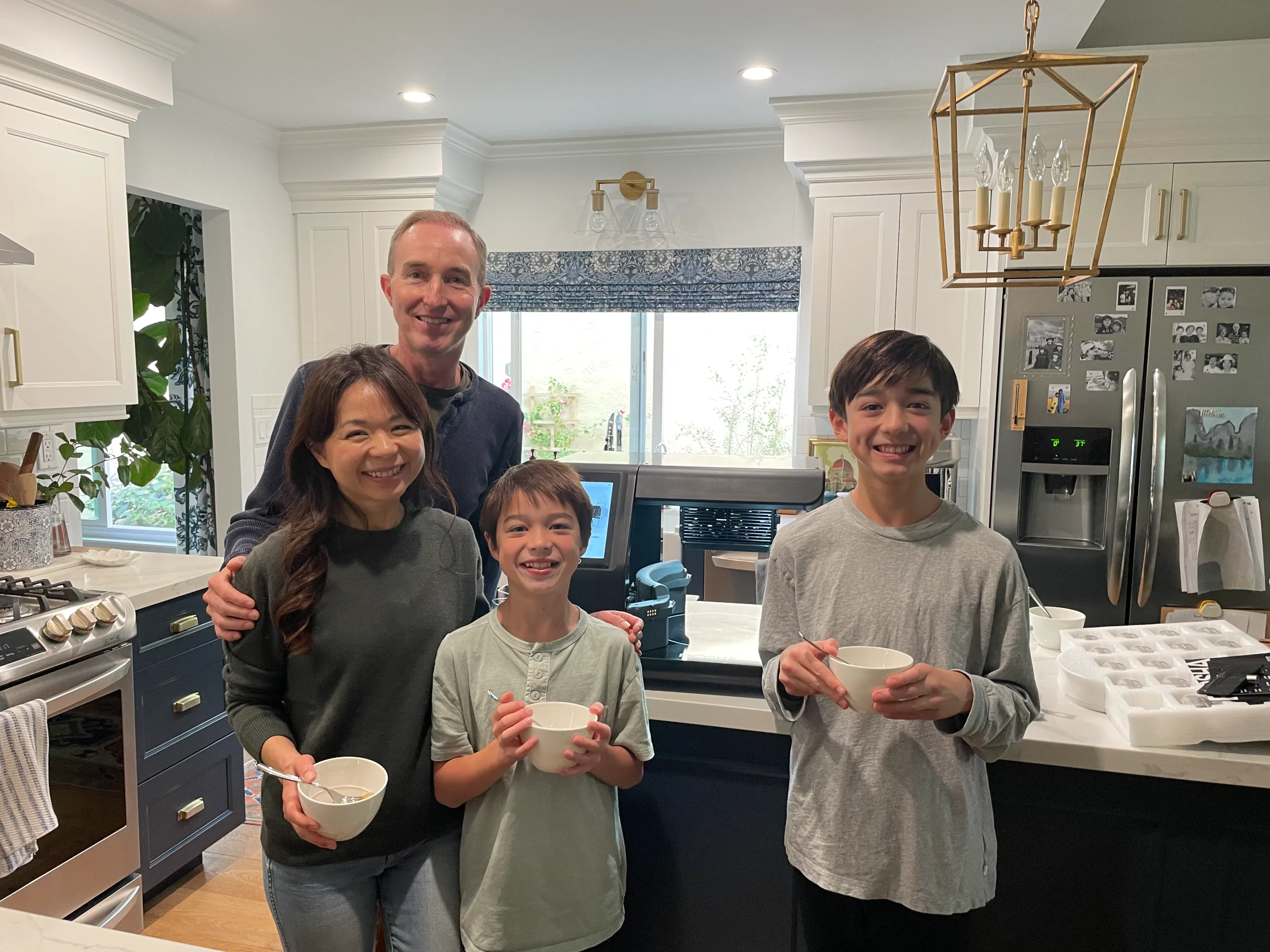
These are only a handful of the anecdotes I gathered over the course of delivering 200 robots over 4 months. Phew!
Alongside all the deliveries there was a lot happening:
Being in-person allowed me to see:
a. how users were unboxing the product
b. how easy was it to take out of the packaging — lift it out of the box and place it in their kitchen
c. what did they do with the box afterwards
d. were the instructions on the box good enoughAlso while users were onboarding themselves — I was standing back and observing them see onboard themselves.
a. What step was taking more time?
b. Which instructions were unclear?
c. Which moments elicited delight?
d. Where could we create WOW!?
I was logging all observations from every delivery. And every learning was being channeled into building a better onboarding experience for our customers.
Over the course of 4 months — we ended shipping 12+ updates to our onboarding experience that enabled any customer to become a familiar with Posha over the course of 30 mins.
But more than anything else, I wanted to visit each one our customers because I wanted to see the meaning of my work. What does Posha actually mean to them.
What change does it bring in their lives.
And though it was back-breaking work to drive and deliver so many bots — it was well worth it.